Full Force

R&B
Contemporary R&B
Soul
 Viberate Rank: 12318
 Viberate Rank: 12318
 Monthly ListenersFollowers
 Subscribers
 Followers
 Followers
 FansTop Spotify Songs
| Track | 7-Day Streams | |
|---|---|---|
1 | 106.31K | |
2 | 32.66K | |
3 | 27.47K | |
4 | 23.71K | |
5 | 13.44K |
Top YouTube VideosMonthly ListenersFeatured in Playlists| Playlist | Followers | |
|---|---|---|
1 |  ’80s Jam Session Spotify | 876.49K |
2 |  Sad 80s Spotify | 458.69K |
3 |  I Love My 80s Funk Spotify | 316.54K |
4 |  throwback bangers (90s - 2010s) Filtr US | 300.36K |
5 |  I Love My 90s Funk Spotify | 124.52K |
Audience| City | Monthly Listeners | |
|---|---|---|
1 | | 12.52K |
2 | | 6.05K |
3 | | 4.76K |
4 | | 4.65K |
5 | | 4.21K |
See full performance history, audience data, playlist activity, rankings, comparisons, and more in Viberate music analytics. Start with a free trial, then continue with a paid plan.
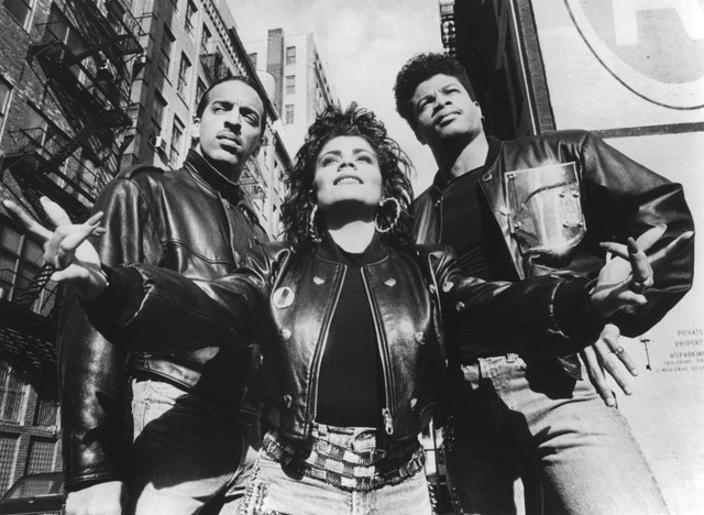
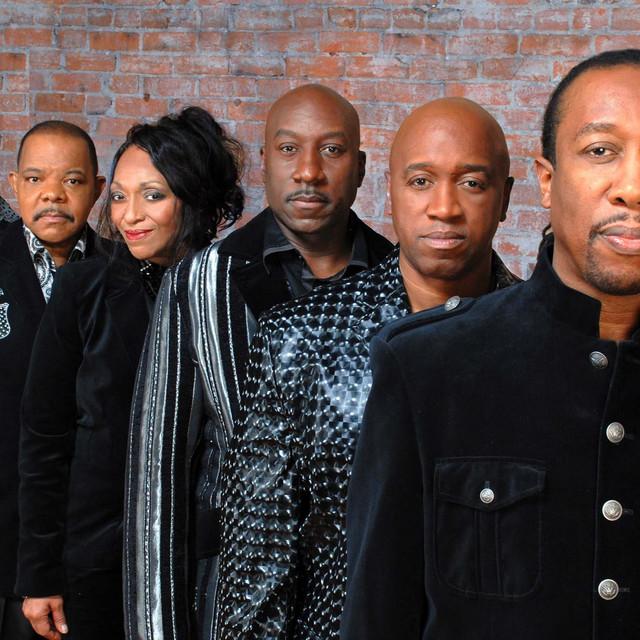
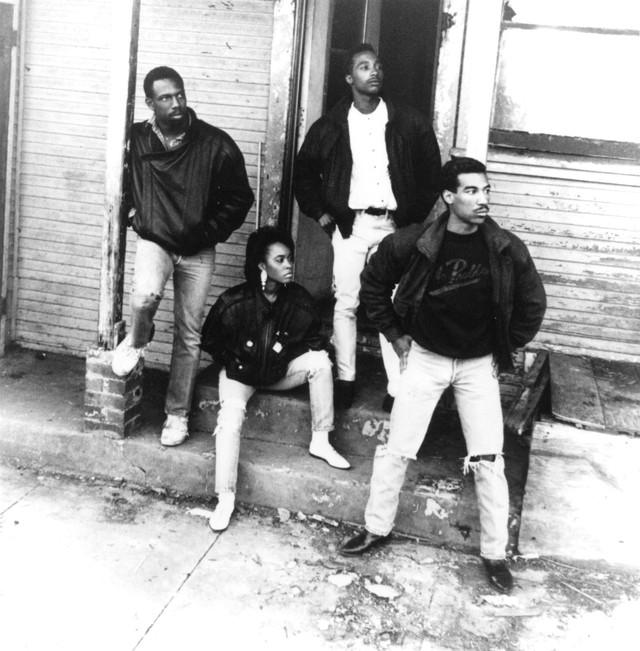
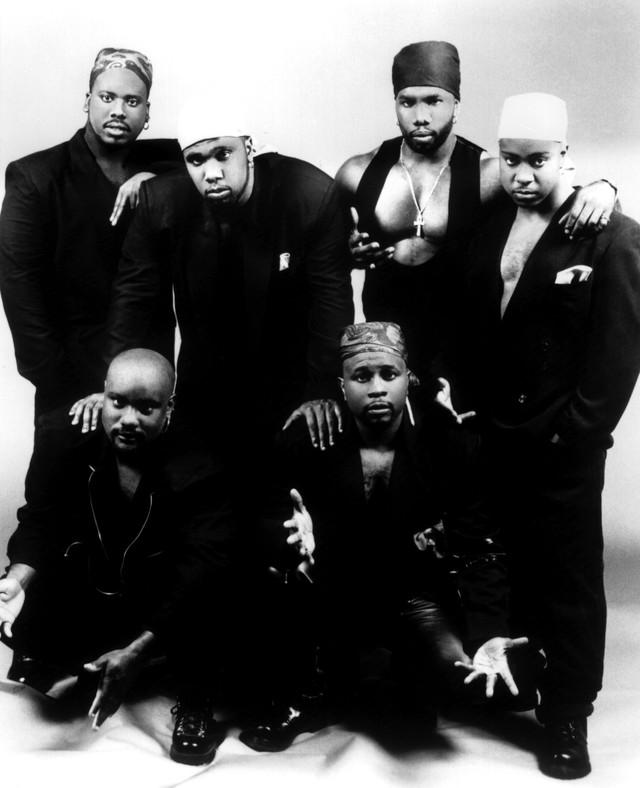
Full Force’s Spotify BioFull Force rose to prominence in the mid-'80s, writing and producing popular R&B hits for Lisa Lisa & Cult Jam before embarking on a moderately successful solo career that ultimately led them back to production work. The six-man collective -- featuring Paul Anthony, Bowlegged Lou, B-Fine, Baby Gerry, Shy Shy, and Curt-t-t -- originated in New York City's Brooklyn borough, where they originally met up with Steve Salem -- a business-savvy individual who functioned as their manager -- in the late '70s. With a manager in place and plenty of talent among the group members, Full Force struggled throughout the early '80s to find a label willing to sign them, though they did release one independent single, "Turn You On."
Full Force got a break when they wrote and produced fellow Brooklyn group U.T.F.O.'s "Roxanne Roxanne," a rap song that would attain a certain level of fame thanks to a series of answer records. In early 1985, the single peaked at number ten on Billboard's R&B chart, proving a… substantial hit for both the rap group and the production team. From there, Full Force moved onto their next major success with Lisa Lisa & Cult Jam, a dance-pop group led by a 16-year-old singer named Lisa Velez. Originally Velez had auditioned for the production team, who then went ahead and recorded "I Wonder If I Take You Home" with her, releasing the single under the moniker Lisa Lisa & Cult Jam with Full Force on indie New York label Personal. The song scored success initially overseas before eventually being released by Columbia in the U.S. after getting immense play in New York clubs as an import single. Almost overnight, the song topped Billboard's dance chart and went on to peak at number six on the R&B chart by summer 1985.
Thanks to the momentum surrounding that hit single, Full Force signed a deal with Columbia to release their own material. Though they scored some minor R&B hits ("Temporary Love Thing," "Unfaithful So Much," "All in My Mind"), their biggest success continued to be as a production team for Lisa Lisa & Cult Jam ("All Cried Out," "Head to Toe," "Lost in Emotion"). In 1988, Full Force produced James Brown's I'm Real, scoring a substantial hit for the struggling legend with the album's title track, and worked with a number of late-'80s dance-pop stars: Jasmine Guy, Cheryl Pepsii Riley, and Samantha Fox, among others. Throughout the early and mid-'90s, the group remained relatively quiet before again churning out a number of R&B-flavored pop hits with Selena, Backstreet Boys, and LFO, among others.
In 2001, they released Still Standing, a set that combined new material recorded with high-profile guests (including Gerald Levert, Method Man, Scarface, and Raekwon) and some of Full Force's greatest hits. Their work with Lisa Lisa & Cult Jam lived on through singles by the likes of Kylie Minogue ("Secret [Take You Home]") and Nina Sky ("Move Ya Body"). During the late 2000s and early 2010s, they sporadically performed and recorded. In 2012, an episode of TV One's Unsung series covered the group's history. Two years later, supported by numerous collaborators (such as Raphael Saadiq, Shanice, Faith Evans, U.T.F.O., and Roxanne Shanté), they released With Love from Our Friends through Sony's Legacy division. Dedicated to Paul Anthony for his battle with and triumph over cancer, it featured originals as well as updates of "All Cried Out" and "Roxanne Roxanne." ~ Jason Birchmeier
Viberate is a music analytics platform built for A&Rs, artist managers, labels, booking agents, marketers, and artists.
It helps music professionals track artist growth, analyze audience data, monitor playlist activity, compare artists, follow song performance, and identify opportunities across the music market.
Public artist pages provide a free preview of selected artist data. Paid plans provide access to deeper analytics, historical data, charts, comparisons, playlist tools, exports, alerts, reports, and additional professional features.
Yes. Public Viberate artist pages provide selected artist analytics and music data for free.
Viberate also offers a 7-day free trial of the full platform. A credit card is required to start the trial. The trial includes access to the complete product so users can test deeper artist analytics, historical views, playlist insights, comparisons, charts, exports, alerts, and reporting features before choosing a paid plan.
Viberate provides artist analytics across streaming, playlists, social media, video, radio airplay, songs, and audience markets.
Users can analyze Spotify performance, Spotify and Apple Music playlists, YouTube activity, TikTok and Instagram growth, radio spins, song performance, audience locations, demographics, rankings, and overall artist momentum.
Artist profiles also connect to music charts, similar artists, and comparison tools, helping users benchmark performance and evaluate artists in context.
Viberate updates key artist and track data daily.
For followed artists and tracks, selected data is refreshed multiple times per day. This helps teams monitor playlist changes, streaming movement, audience growth, releases, and campaign performance with more current data.
Update frequency can vary depending on the metric and data source.
Yes. Viberate lets users compare up to five artists side by side across streaming, social media, audience, and engagement metrics.
Users can compare fanbase growth, audience demographics, locations, Spotify performance, social metrics, and other artist data over selected time periods.
Artist comparison can be used for A&R scouting, benchmarking, booking decisions, campaign planning, and evaluating artists with similar audiences or market positions.