Full Blown Chaos

Metal
Metalcore/Deathcore
Groove Metal
 Viberate Rank: 206145
 Viberate Rank: 206145
 Monthly ListenersFollowers
 Subscribers
 Followers
 Followers
 FansTop Spotify Songs
| Track | 7-Day Streams | |
|---|---|---|
1 | 2.12K | |
2 | 490 | |
3 | 413 | |
4 | 411 | |
5 | 281 |
Top YouTube VideosMonthly ListenersFeatured in Playlists| Playlist | Followers | |
|---|---|---|
1 |  Extreme Metal Workout Spotify | 727.70K |
2 |  Ultimate Groove Metal Loudwire | 24.35K |
3 |  Hardcore Metal Workout Shanmuka Kämpf | 16.50K |
4 | Metal🤘🏻 Naydil González | 16.45K |
5 |  Ultimate Workout Playlist (Updated Weekly) Bodybuilding.com | 10.22K |
Audience| City | Monthly Listeners | |
|---|---|---|
1 |  | 174 |
2 |  | 159 |
3 | | 147 |
4 |  | 137 |
5 |  | 120 |
See full performance history, audience data, playlist activity, rankings, comparisons, and more in Viberate music analytics. Start with a free trial, then continue with a paid plan.
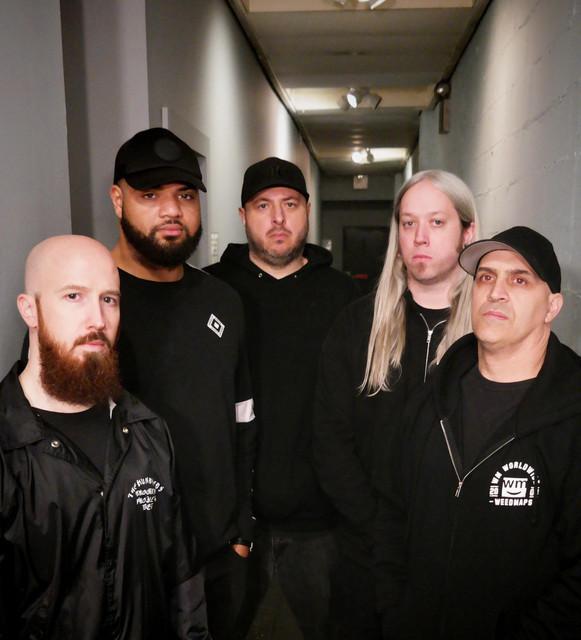
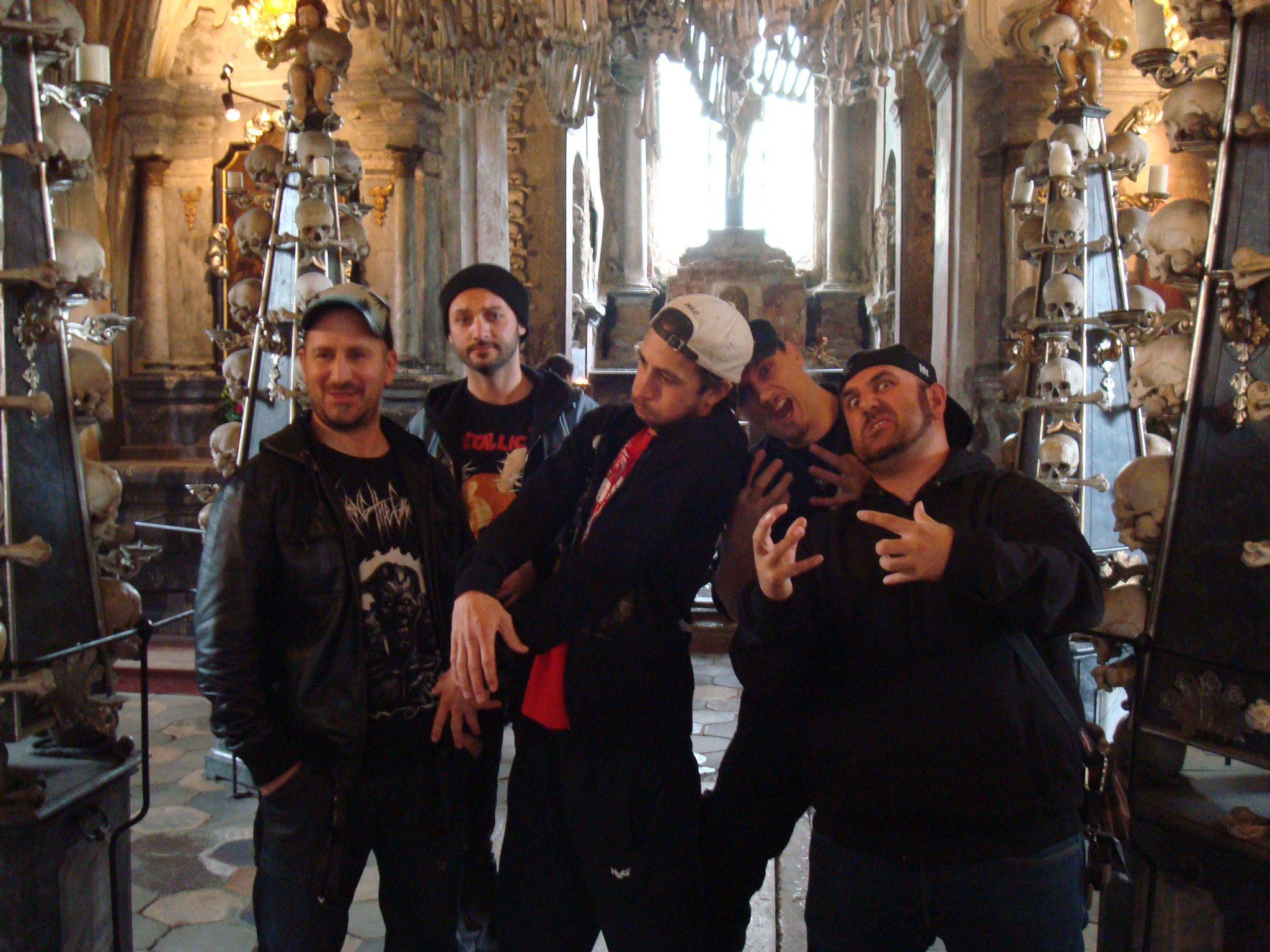
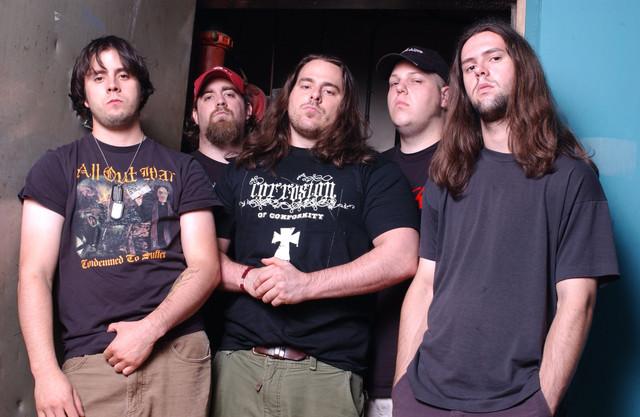
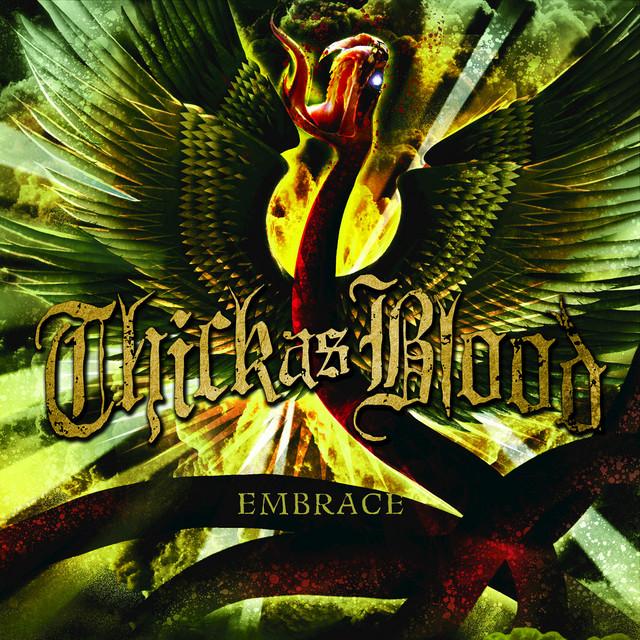
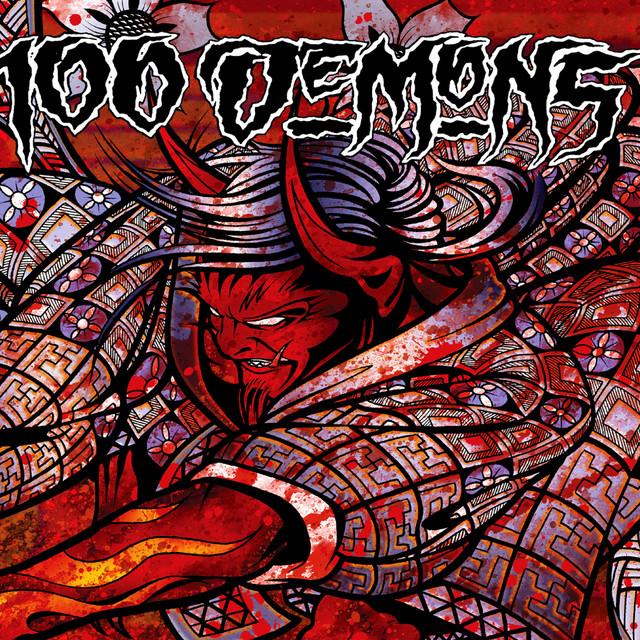
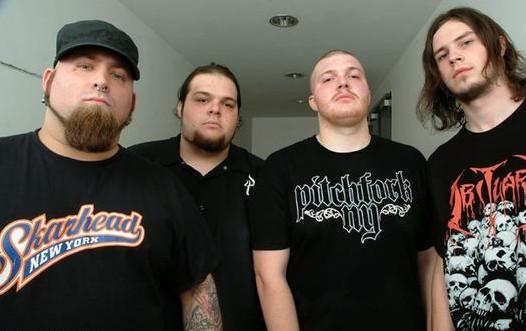
Full Blown Chaos’ Spotify BioNew York City's Full Blown Chaos first unleashed their uncompromising metal/hardcore assault via a self-titled 2001 EP, which was later released on one-time bassist Ed Conroy's Jailhouse Records. They built a following opening for groups like Hatebreed and Sepultura, and in 2003, Jailhouse partnered up with Jamey Jasta's Stillborn Records for the release of another EP, Prophet of Hostility. The crew followed up in October 2004 on Stillborn with the album Wake the Demons. Full Blown Chaos spread their music among the metal crowd by playing over 200 shows in 2005 alone, and in doing so, frontman Ray Mazzola, bassist Mike "Lurk" Ruehle, and brothers Mike and Jeff Facci (guitar and drums, respectively) managed to score gigs with heavy-hitters like Chimaira, Slipknot, Superjoint Ritual, and God Forbid, among others. The band's relentless touring schedule eased up enough for them to enter the studio in February 2006 to record with producer/engineer Eric Rachel (Every Time I Die, A Life Once… Lost). Full Blown Chaos' resulting sophomore effort, Within the Grasp of Titans, surfaced that summer in time for dates on Ozzfest. ~ Corey Apar, Rovi
Viberate is a music analytics platform built for A&Rs, artist managers, labels, booking agents, marketers, and artists.
It helps music professionals track artist growth, analyze audience data, monitor playlist activity, compare artists, follow song performance, and identify opportunities across the music market.
Public artist pages provide a free preview of selected artist data. Paid plans provide access to deeper analytics, historical data, charts, comparisons, playlist tools, exports, alerts, reports, and additional professional features.
Yes. Public Viberate artist pages provide selected artist analytics and music data for free.
Viberate also offers a 7-day free trial of the full platform. A credit card is required to start the trial. The trial includes access to the complete product so users can test deeper artist analytics, historical views, playlist insights, comparisons, charts, exports, alerts, and reporting features before choosing a paid plan.
Viberate provides artist analytics across streaming, playlists, social media, video, radio airplay, songs, and audience markets.
Users can analyze Spotify performance, Spotify and Apple Music playlists, YouTube activity, TikTok and Instagram growth, radio spins, song performance, audience locations, demographics, rankings, and overall artist momentum.
Artist profiles also connect to music charts, similar artists, and comparison tools, helping users benchmark performance and evaluate artists in context.
Viberate updates key artist and track data daily.
For followed artists and tracks, selected data is refreshed multiple times per day. This helps teams monitor playlist changes, streaming movement, audience growth, releases, and campaign performance with more current data.
Update frequency can vary depending on the metric and data source.
Yes. Viberate lets users compare up to five artists side by side across streaming, social media, audience, and engagement metrics.
Users can compare fanbase growth, audience demographics, locations, Spotify performance, social metrics, and other artist data over selected time periods.
Artist comparison can be used for A&R scouting, benchmarking, booking decisions, campaign planning, and evaluating artists with similar audiences or market positions.