First Blood

Punk
Hardcore Punk
Hardstyle/Hardcore
 Viberate Rank: 94131
 Viberate Rank: 94131
 Monthly ListenersFollowers
 Subscribers
 Followers
 Followers
 FansTop Spotify Songs
| Track | 7-Day Streams | |
|---|---|---|
1 | 2.39K | |
2 | 2.06K | |
3 | 1.87K | |
4 | 1.63K | |
5 | 1.59K |
Top YouTube VideosMonthly ListenersFeatured in Playlists| Playlist | Followers | |
|---|---|---|
1 |  Classic Hardcore Spotify | 248.65K |
2 |  Hardcore Punk Pure Noise Records | 77.03K |
3 |  Heavy METAL PESADO para entrenar⚡️treinar GYM 🔱 THEOCIDE STUDIOS 🔱 | 43.49K |
4 |  Hard to Kill Fitness | Metal htk.nation | 9.06K |
5 |  Eat shit and die luxxxkayy | 7.31K |
Audience| City | Monthly Listeners | |
|---|---|---|
1 |  | 531 |
2 | | 418 |
3 | | 368 |
4 | | 364 |
5 | | 358 |
See full performance history, audience data, playlist activity, rankings, comparisons, and more in Viberate music analytics. Start with a free trial, then continue with a paid plan.
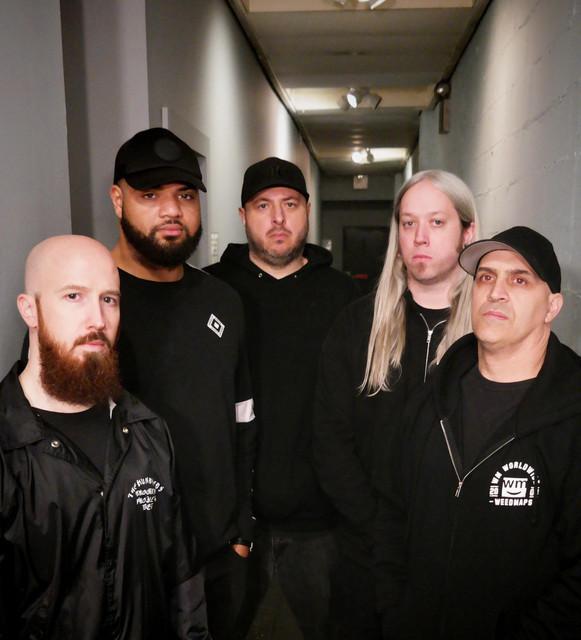
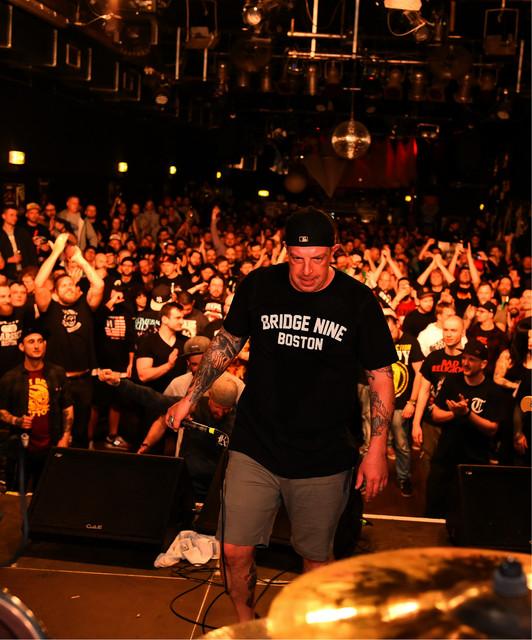
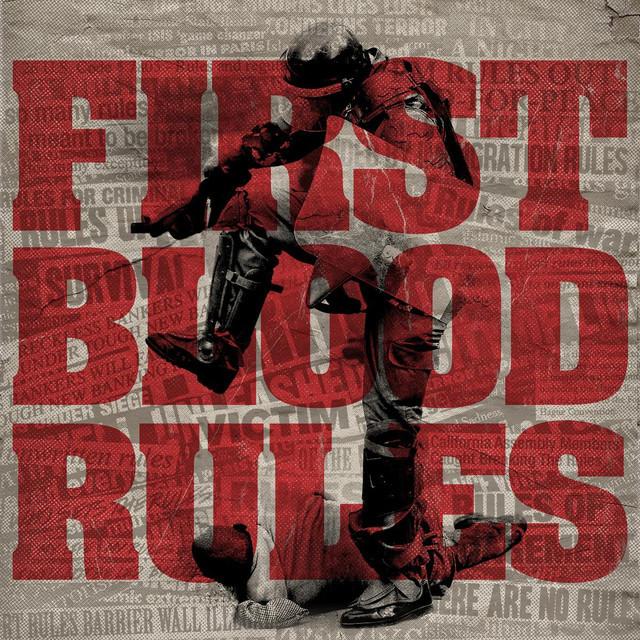
First Blood’s Spotify BioMetallic hardcore unit First Blood emerged out of San Francisco's Bay Area in 2002, formed on the side by Terror members Carl Schwartz (vocals) and Doug Weber (guitar), both of whom had also previously played in Sworn Vengeance. Socially and politically aware in their approach (Schwartz is a staunch vegan), First Blood were never intended to be a full-time gig. Yet the band made local waves right from the start, playing its first gig with hardcore icons Cro-Mags. In 2003, First Blood (at this time rounded out by drummer Nate and bassist Joe) made their recorded debut with a self-titled EP through Division 36 Records (distributed via Bridge Nine) and played a spot on Syracuse, New York's annual Hellfest. The guys followed up the next year on a split 7" with Philadelphia's Blacklisted; it was issued through Deathwish Inc. and featured new members Nick Jett (drums, also of Terror), Manuel Peralez (bass), and Kyle Dixon (second guitar, ex-Embrace the End). Outside obligations with other… bands had caused problems and turnover over time, so when Schwartz decided to go with First Blood full-time -- his last Terror tour was in the fall of 2005 -- he needed dedicated musicians around him. He eventually found such stability alongside Dixon, Peralez, guitarist Daniel Fletcher, and drummer Mike Orris, Jr.; the drumming position still remained in flux from the studio to the road, however. Hooking up with Trustkill, the band embarked on an early 2006 tour with Ignite and Comeback Kid, leading into the spring release of First Blood's first full-length, Killafornia. First Blood's much anticipated sophomore outing, Silence Is Betrayal, was released in 2008, but it would be nearly a decade before they would head back into the studio. In 2016 they inked a deal with Pure Noise, which released their third LP, Rules, the following year. ~ Corey Apar, Rovi
Viberate is a music analytics platform built for A&Rs, artist managers, labels, booking agents, marketers, and artists.
It helps music professionals track artist growth, analyze audience data, monitor playlist activity, compare artists, follow song performance, and identify opportunities across the music market.
Public artist pages provide a free preview of selected artist data. Paid plans provide access to deeper analytics, historical data, charts, comparisons, playlist tools, exports, alerts, reports, and additional professional features.
Yes. Public Viberate artist pages provide selected artist analytics and music data for free.
Viberate also offers a 7-day free trial of the full platform. A credit card is required to start the trial. The trial includes access to the complete product so users can test deeper artist analytics, historical views, playlist insights, comparisons, charts, exports, alerts, and reporting features before choosing a paid plan.
Viberate provides artist analytics across streaming, playlists, social media, video, radio airplay, songs, and audience markets.
Users can analyze Spotify performance, Spotify and Apple Music playlists, YouTube activity, TikTok and Instagram growth, radio spins, song performance, audience locations, demographics, rankings, and overall artist momentum.
Artist profiles also connect to music charts, similar artists, and comparison tools, helping users benchmark performance and evaluate artists in context.
Viberate updates key artist and track data daily.
For followed artists and tracks, selected data is refreshed multiple times per day. This helps teams monitor playlist changes, streaming movement, audience growth, releases, and campaign performance with more current data.
Update frequency can vary depending on the metric and data source.
Yes. Viberate lets users compare up to five artists side by side across streaming, social media, audience, and engagement metrics.
Users can compare fanbase growth, audience demographics, locations, Spotify performance, social metrics, and other artist data over selected time periods.
Artist comparison can be used for A&R scouting, benchmarking, booking decisions, campaign planning, and evaluating artists with similar audiences or market positions.