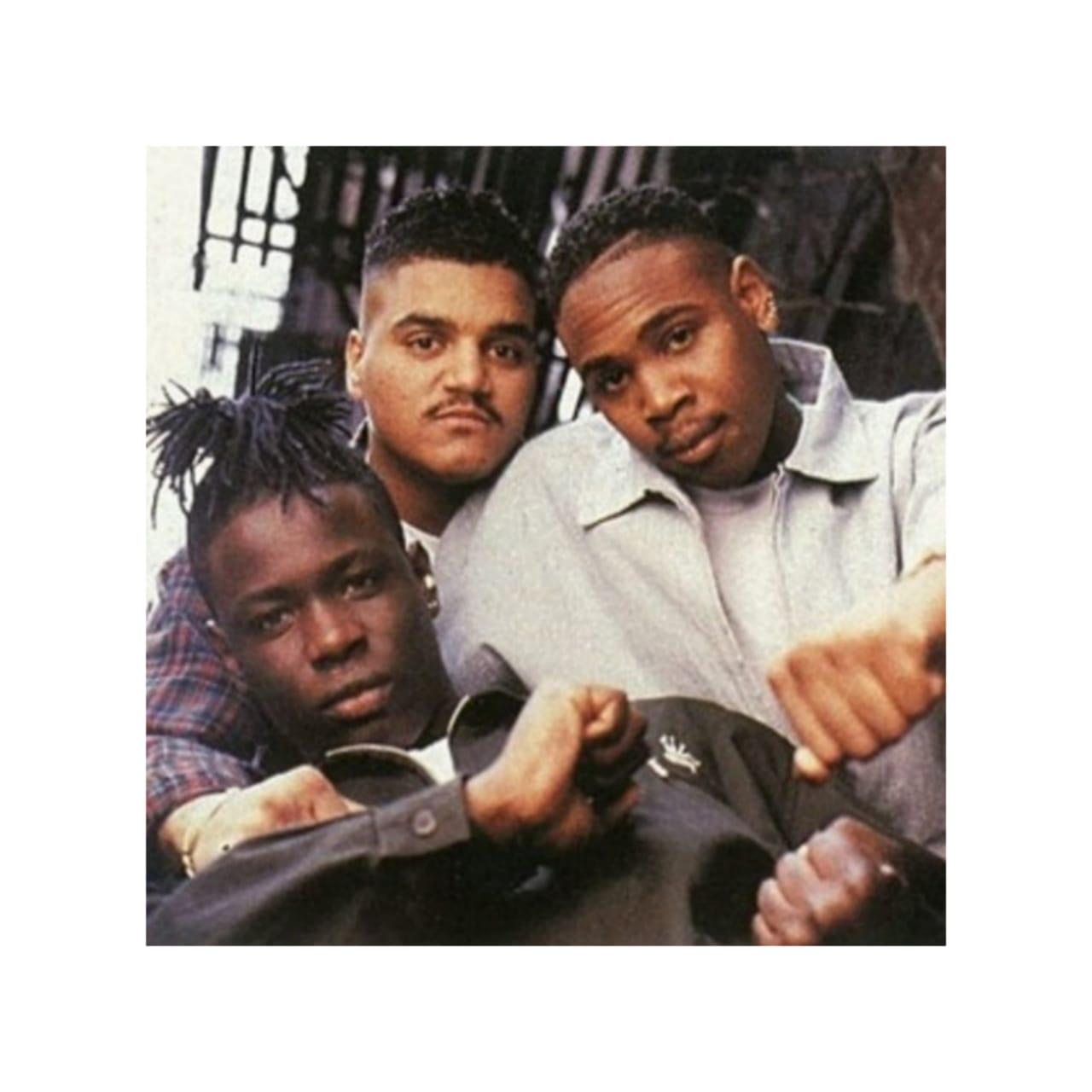
FU-Schnickens

Hip Hop
Contemporary Hip Hop
Alternative Hip Hop
 Viberate Rank: 76246
 Viberate Rank: 76246
 Monthly ListenersFollowers
 Subscribers
 Followers
 Followers
 FansTop Spotify Songs
| Track | 7-Day Streams | |
|---|---|---|
1 | 12.89K | |
2 | 10.85K | |
3 | 6.95K | |
4 | 4.66K | |
5 | 4.43K |
Top YouTube VideosMonthly ListenersFeatured in Playlists| Playlist | Followers | |
|---|---|---|
1 |  Old School Hip Hop Filtr Sweden | 779.30K |
2 |  Fidi & Bumsi Spotify | 353.24K |
3 | 90s Hip Hop Party Ridgway | 311.83K |
4 |  80's & 90's Hip Hop / Rap 📀 Jordan Haas | 79.28K |
5 |  90's Rap Instrumentals Sepehr Aman | 50.23K |
Audience| City | Monthly Listeners | |
|---|---|---|
1 |  | 2.12K |
2 |  | 1.48K |
3 | | 1.17K |
4 | | 1.11K |
5 |  | 1.10K |
See full performance history, audience data, playlist activity, rankings, comparisons, and more in Viberate music analytics. Start with a free trial, then continue with a paid plan.
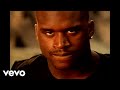
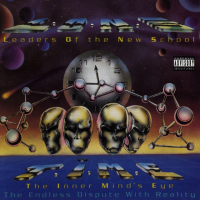
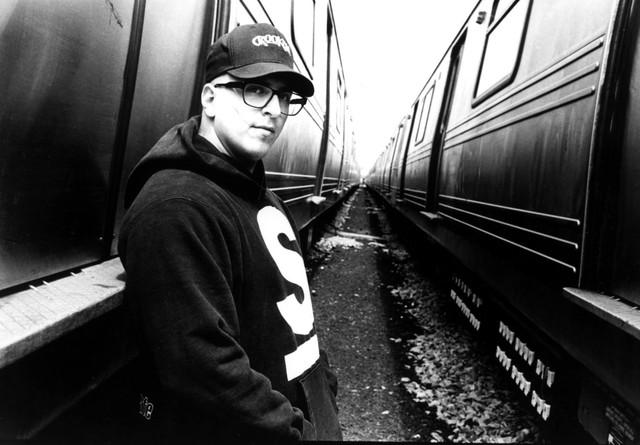
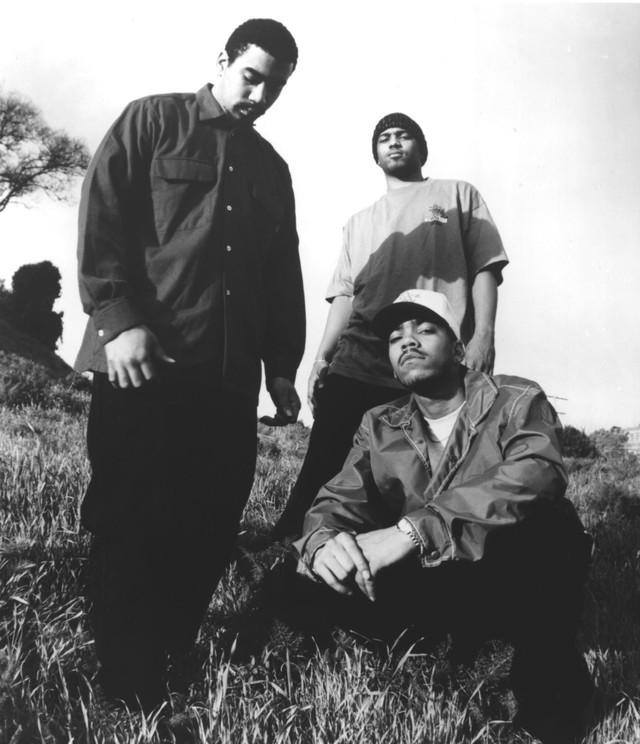
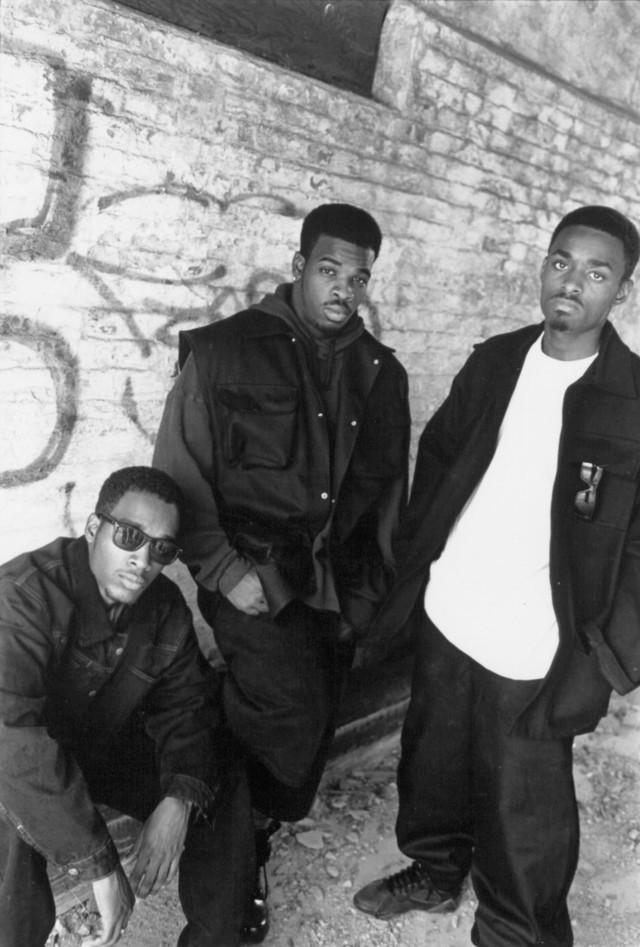
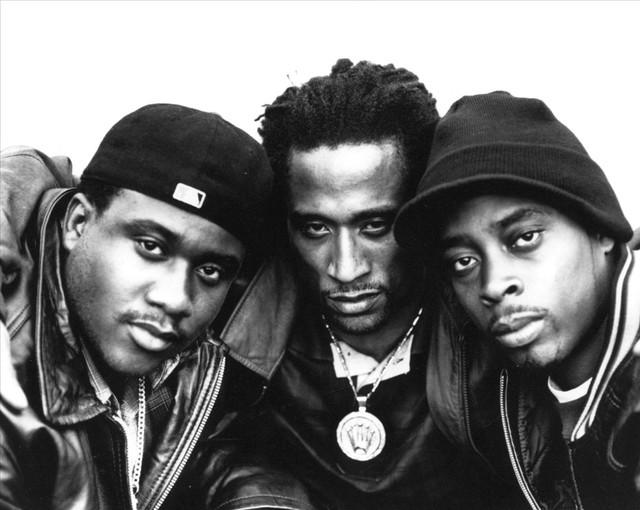
FU-Schnickens’ Spotify BioOne of the oddest groups in hip-hop history, Fu-Schnickens' manic, wildly playful raps were more than just pop-culture-obsessed novelties: they were often marvels of technical achievement on the mic as well. Spiritually speaking, Moc Fu (born J. Jones), Poc Fu (born Lennox Maturine), and group focal point Chip Fu (born Roderick Roachford) were descendents of De La Soul and cousins of Das EFX. They wove dense, tongue-twisting, absurdist lyrics that were filled with references to cartoons, karate flicks (even before the Wu-Tang Clan), and assorted TV and junk culture trivia. Not only that, their raps were distinctly influenced by dancehall reggae, peppered with comic vocal impressions, and occasionally even recited backward -- at the same high velocity. Their personas were just as colorful; they sometimes wore kung fu-style costumes, and their name was a combination of "For Unity" and a completely made-up word that meant "coalition," according to the group.
Fu-Schnickens were formed in… the East Flatbush section of Brooklyn, where all three members had grown up, and made a strong impression around New York with a series of club dates showcasing their amazing technique and bizarre sense of humor. In 1991, the group performed at a rap conference at Howard University, and Jive Records promptly signed them up. Their dancehall-inflected debut single, "Ring the Alarm," appeared in 1992 and proved quite popular among hip-hop fans, making the Top Ten on the rap singles chart. The group's full-length debut album, F.U.: Don't Take It Personal, followed close behind, and made the R&B Top 20 on the strength of the cult classic singles "La Schmoove" and "True Fuschnick." However, it wasn't until 1993 that Fu-Schnickens truly caught the mainstream's ear, thanks to the one-off team-up with NBA star Shaquille O'Neal on "What's Up Doc? (Can We Rock)." It was the only Fu-Schnickens single to reach the pop Top 40, and spawned a national catch phrase. The group's second album, Nervous Breakdown, followed in 1994, but didn't cause quite the same stir as its predecessor, and Fu-Schnickens quietly faded away from the hip-hop scene. ~ Steve Huey, Rovi
Viberate is a music analytics platform built for A&Rs, artist managers, labels, booking agents, marketers, and artists.
It helps music professionals track artist growth, analyze audience data, monitor playlist activity, compare artists, follow song performance, and identify opportunities across the music market.
Public artist pages provide a free preview of selected artist data. Paid plans provide access to deeper analytics, historical data, charts, comparisons, playlist tools, exports, alerts, reports, and additional professional features.
Yes. Public Viberate artist pages provide selected artist analytics and music data for free.
Viberate also offers a 7-day free trial of the full platform. A credit card is required to start the trial. The trial includes access to the complete product so users can test deeper artist analytics, historical views, playlist insights, comparisons, charts, exports, alerts, and reporting features before choosing a paid plan.
Viberate provides artist analytics across streaming, playlists, social media, video, radio airplay, songs, and audience markets.
Users can analyze Spotify performance, Spotify and Apple Music playlists, YouTube activity, TikTok and Instagram growth, radio spins, song performance, audience locations, demographics, rankings, and overall artist momentum.
Artist profiles also connect to music charts, similar artists, and comparison tools, helping users benchmark performance and evaluate artists in context.
Viberate updates key artist and track data daily.
For followed artists and tracks, selected data is refreshed multiple times per day. This helps teams monitor playlist changes, streaming movement, audience growth, releases, and campaign performance with more current data.
Update frequency can vary depending on the metric and data source.
Yes. Viberate lets users compare up to five artists side by side across streaming, social media, audience, and engagement metrics.
Users can compare fanbase growth, audience demographics, locations, Spotify performance, social metrics, and other artist data over selected time periods.
Artist comparison can be used for A&R scouting, benchmarking, booking decisions, campaign planning, and evaluating artists with similar audiences or market positions.