Frumious Bandersnatch

Rock
Psychedelic Rock
Progressive Rock
 Viberate Rank: 501999
 Viberate Rank: 501999
 Monthly ListenersFollowers
 Subscribers
 Followers
 Followers
 FansTop Spotify Songs
| Track | 7-Day Streams | |
|---|---|---|
1 | 101 | |
2 | 62 | |
3 | 42 | |
4 | 23 | |
5 | 13 |
Top YouTube VideosMonthly ListenersFeatured in Playlists| Playlist | Followers | |
|---|---|---|
1 |  Psychedelic 60s 70s Marcos Vinícius de Oliveira | 16.94K |
2 |  Obscure 60s/70s Psychedelic Rock Jason LeValley | 15.25K |
3 | 60s Psychedelic Trip andreas1965-71 | 8.21K |
4 |  Reverberation Radio Allah-Las | 5.56K |
5 | Psychedelic 60s Acid Rock & Heavy Psychadelia byggavdelningen | 5.52K |
Audience| City | Monthly Listeners | |
|---|---|---|
1 | | 9 |
2 | | 5 |
3 | | 5 |
4 | | 5 |
5 | | 5 |
See full performance history, audience data, playlist activity, rankings, comparisons, and more in Viberate music analytics. Start with a free trial, then continue with a paid plan.
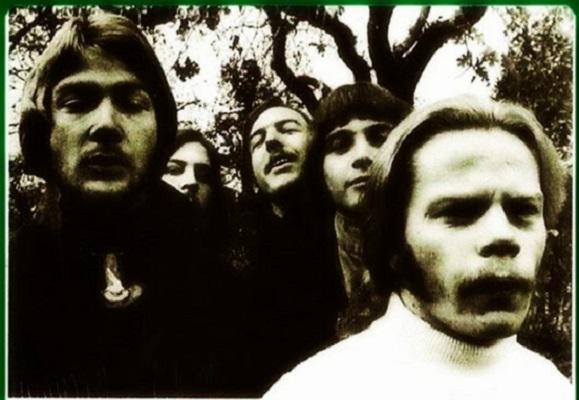
Frumious Bandersnatch’s Spotify BioNot every worthwhile San Francisco psychedelic group of the late '60s got to record often, or at all. Frumious Bandersnatch were one of the most prominent examples, their output limited to a meager (if good) three-song EP that barely anyone outside of the area heard. The band's stinging guitars were very reminiscent of those employed by Jefferson Airplane's Jorma Kaukonen, Quicksilver Messenger Service, and the Moby Grape; their harmonies, too, were quite close in style to the Airplane and Grape, with vibrating lead vocals in the mold of Marty Balin or the Grape's Bob Mosley.
The band were actually formed across the bay from San Francisco in Contra Costa County, and changed personnel several times in their brief lifespan (1967-69). Interest from several record companies came to naught, and the band's only release was a three-song EP on their own label, pressed in a quantity of 1000 and distributed locally. Built around the excellent acid-rocker "Hearts to Cry," it offered strong… evidence of their talents, but no other releases were forthcoming before their breakup. No less than four Frumious alumni, however, would play in Steve Miller's band during the 1970s (Bobby Winkelman, Jack King, Russ Valory, and David Denny); Valory and another Frumious veteran, George Tickner, were founding members of Journey, who were managed by the roadie for Frumious Bandersnatch, Herbie Herbert. A good deal of Frumious recordings were unearthed from the vaults for reissue in the 1990s on the British Big Beat label. ~ Richie Unterberger, Rovi
Viberate is a music analytics platform built for A&Rs, artist managers, labels, booking agents, marketers, and artists.
It helps music professionals track artist growth, analyze audience data, monitor playlist activity, compare artists, follow song performance, and identify opportunities across the music market.
Public artist pages provide a free preview of selected artist data. Paid plans provide access to deeper analytics, historical data, charts, comparisons, playlist tools, exports, alerts, reports, and additional professional features.
Yes. Public Viberate artist pages provide selected artist analytics and music data for free.
Viberate also offers a 7-day free trial of the full platform. A credit card is required to start the trial. The trial includes access to the complete product so users can test deeper artist analytics, historical views, playlist insights, comparisons, charts, exports, alerts, and reporting features before choosing a paid plan.
Viberate provides artist analytics across streaming, playlists, social media, video, radio airplay, songs, and audience markets.
Users can analyze Spotify performance, Spotify and Apple Music playlists, YouTube activity, TikTok and Instagram growth, radio spins, song performance, audience locations, demographics, rankings, and overall artist momentum.
Artist profiles also connect to music charts, similar artists, and comparison tools, helping users benchmark performance and evaluate artists in context.
Viberate updates key artist and track data daily.
For followed artists and tracks, selected data is refreshed multiple times per day. This helps teams monitor playlist changes, streaming movement, audience growth, releases, and campaign performance with more current data.
Update frequency can vary depending on the metric and data source.
Yes. Viberate lets users compare up to five artists side by side across streaming, social media, audience, and engagement metrics.
Users can compare fanbase growth, audience demographics, locations, Spotify performance, social metrics, and other artist data over selected time periods.
Artist comparison can be used for A&R scouting, benchmarking, booking decisions, campaign planning, and evaluating artists with similar audiences or market positions.