Friedrich Kalkbrenner

Classical
Classical Crossover
 Viberate Rank: 629973
 Viberate Rank: 629973
 Monthly ListenersFollowers
 Subscribers
 Followers
 Followers
 FansTop Spotify Songs
| Track | 7-Day Streams | |
|---|---|---|
1 | 416 | |
2 | 416 | |
3 | 416 | |
4 | 416 | |
5 | 416 |
Top YouTube VideosMonthly ListenersFeatured in Playlists| Playlist | Followers | |
|---|---|---|
1 |  Chamber Music for Self-Renewal synergy555 | 4.21K |
2 |  Ultimate Dark/Sad Classical brilliantos | 1.20K |
Audience| City | Monthly Listeners | |
|---|---|---|
1 |  | 24 |
2 |  | 22 |
3 |  | 21 |
4 | | 21 |
5 |  | 21 |
See full performance history, audience data, playlist activity, rankings, comparisons, and more in Viberate music analytics. Start with a free trial, then continue with a paid plan.
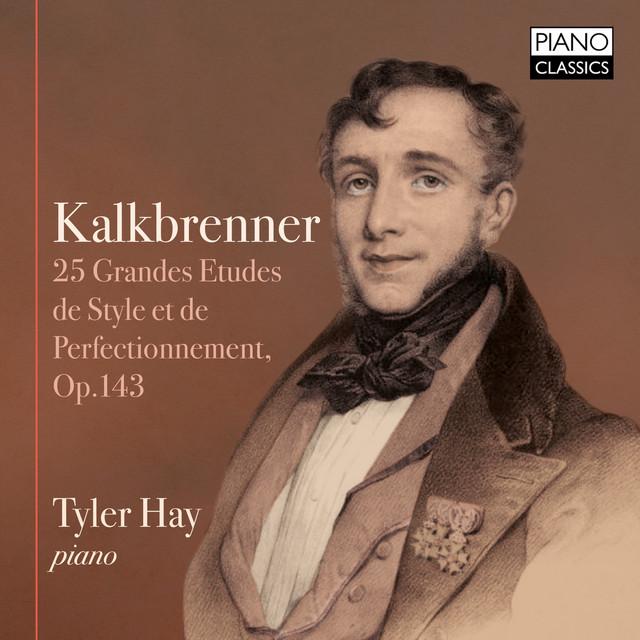
Friedrich Kalkbrenner’s Spotify BioFrédéric Kalkbrenner was a French pianist, teacher, and composer of the Romantic period known for his piano concertos, chamber music, and numerous works for piano. As a pianist, he was admired for his brilliant tone, virtuosity, and highly refined finger control.
Kalkbrenner was born in 1785, while his parents were traveling from Kassel to Berlin. He began studying music at a very young age from his father, who was the kapellmeister to the queen of Prussia. He received a privileged schooling at Rheinsberg Castle, and when he was six years old, he performed a concerto by Haydn for the queen. He enrolled at the Paris Conservatory in 1796, where he studied with François Nicodami, Louis Adam, and Charles-Simon Catel. He was an excellent student and received first prizes in both piano and harmony when he graduated in 1801. For the next few years, Kalkbrenner supported himself by touring and performing in Germany and he became very well-known as a virtuoso pianist.
He settled in Vienna in 1803… and studied composition with Antonio Salieri, Johann Albrechtsberger, and Joseph Haydn, and he also befriended Beethoven, Clementi, and Hummel. After completing his studies in 1805, Kalkbrenner resumed his career as a pianist in Germany. He returned to Paris in the following year, where he became more focused on composing but saw less activity as a performer. In 1814, he moved to England and quickly rose to the upper ranks of the musical community there. His sensational style attracted a large following of both students and patrons, and he quickly became very wealthy. Kalkbrenner's success and popularity peaked from 1825 to 1835, and it was also around this time that he published his famous Méthode pour apprendre le piano-forte à l’aide du guide-mains, Op. 108. He started teaching his piano training course, which he recommended to the young Frédéric Chopin in 1831, but Chopin politely declined. However, the composer had great admiration for Kalkbrenner, and they remained friendly and supportive of each other's careers.
As Liszt, Chopin, and Thalberg ascended to fame in the late 1830s, Kalkbrenner's popularity declined, but he was a shrewd entrepreneur and became a partner in the successful Pleyel piano manufacturing company. He retired from performing in 1839 due to poor health, but he composed and taught until he died from cholera in 1849. In modern times, his music has been recorded by artists such as Luigi Gerosa, Duo Praxedis, and the Linos-Ensemble, and can be heard on the 2024 release The Romantic Piano Concerto, Vol. 86: Tellefsen, Kalkbrenner by Howard Shelley and the Nuremberg Symphony Orchestra. ~ RJ Lambert, Rovi
Viberate is a music analytics platform built for A&Rs, artist managers, labels, booking agents, marketers, and artists.
It helps music professionals track artist growth, analyze audience data, monitor playlist activity, compare artists, follow song performance, and identify opportunities across the music market.
Public artist pages provide a free preview of selected artist data. Paid plans provide access to deeper analytics, historical data, charts, comparisons, playlist tools, exports, alerts, reports, and additional professional features.
Yes. Public Viberate artist pages provide selected artist analytics and music data for free.
Viberate also offers a 7-day free trial of the full platform. A credit card is required to start the trial. The trial includes access to the complete product so users can test deeper artist analytics, historical views, playlist insights, comparisons, charts, exports, alerts, and reporting features before choosing a paid plan.
Viberate provides artist analytics across streaming, playlists, social media, video, radio airplay, songs, and audience markets.
Users can analyze Spotify performance, Spotify and Apple Music playlists, YouTube activity, TikTok and Instagram growth, radio spins, song performance, audience locations, demographics, rankings, and overall artist momentum.
Artist profiles also connect to music charts, similar artists, and comparison tools, helping users benchmark performance and evaluate artists in context.
Viberate updates key artist and track data daily.
For followed artists and tracks, selected data is refreshed multiple times per day. This helps teams monitor playlist changes, streaming movement, audience growth, releases, and campaign performance with more current data.
Update frequency can vary depending on the metric and data source.
Yes. Viberate lets users compare up to five artists side by side across streaming, social media, audience, and engagement metrics.
Users can compare fanbase growth, audience demographics, locations, Spotify performance, social metrics, and other artist data over selected time periods.
Artist comparison can be used for A&R scouting, benchmarking, booking decisions, campaign planning, and evaluating artists with similar audiences or market positions.