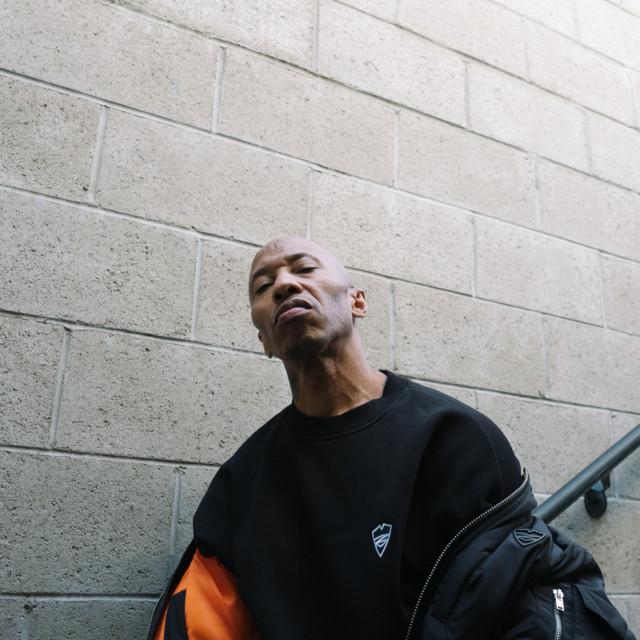
Fredro Starr

Hip Hop
Contemporary Hip Hop
Underground Hip Hop
 Viberate Rank: 64424
 Viberate Rank: 64424
 Monthly ListenersFollowers
 Subscribers
 Followers
 Followers
 FansTop Spotify Songs
| Track | 7-Day Streams | |
|---|---|---|
1 | 5.12K | |
2 | 2.30K | |
3 | 2.28K | |
4 | 1.22K | |
5 | 775 |
Top YouTube Videos| Video | 7-Day Views | |
|---|---|---|
1 | 2.81K | |
2 | 211 | |
3 | 174 | |
4 | 172 | |
5 | 95 |
Monthly ListenersFeatured in Playlists| Playlist | Followers | |
|---|---|---|
1 |  Save The Last Dance Soundtrack Christopher Mclaren | 71.05K |
2 | Save The Last Dance OST Phina Oji | 45.33K |
3 |  Smooth Hip Hop & Chill Rap - Chill Rap Vibes 2020s IndieMassive UK | 38.37K |
4 | Old School RnB/Club Classics Kiran Khattra | 23.59K |
5 |  #THE R&B THROWBACK LOVERS DJ Flex | 19.90K |
Audience| City | Monthly Listeners | |
|---|---|---|
1 |  | 1.00K |
2 | | 420 |
3 |  | 305 |
4 |  | 265 |
5 |  | 253 |
See full performance history, audience data, playlist activity, rankings, comparisons, and more in Viberate music analytics. Start with a free trial, then continue with a paid plan.
Fredro Starr’s Spotify BioRapper Fredro Starr has a lot on his plate. The Queens, NY, native balances both an acting and a music career. Starr began his rapping career when he founded the hardcore rap/hip hop group Onyx in 1991 with rap compatriots Sticky Fingaz and Sonee Seeza. The group's first album (Bacdafucup, 1993, UNI/Def Jam Records) went platinum, but since the breakup of Onyx after their 1998 album, Shut 'Em Down (Def Jam), Starr (born Fredro Scruggs) ventured out on his own to start his solo career. Starr has also built a solid acting resumé (he has had no formal training), starring in numerous television shows and several movies. He starred in the 2000 Paramount/MTV film Save the Last Dance and appeared as Brandy's love interest Quentin on the WB's television show Moesha. The ambitious actor/rapper has had roles in NYPD Blue and such films as Light It Up, Spike Lee's Clockers, and HBO's Strapped. Starr's solo rap debut, Firestarr released in January of 2001. On the track "Soldierz," Starr teamed up… with Onyx partner Sticky Fingaz. One of Starr's cuts, "Theme From Save the Last Dance," is featured on the movie's soundtrack song, "Shining Through." In addition, Starr also runs his multi-faceted entertainment entity, OPM (Other People's Money). ~ Kerry L. Smith, Rovi
Viberate is a music analytics platform built for A&Rs, artist managers, labels, booking agents, marketers, and artists.
It helps music professionals track artist growth, analyze audience data, monitor playlist activity, compare artists, follow song performance, and identify opportunities across the music market.
Public artist pages provide a free preview of selected artist data. Paid plans provide access to deeper analytics, historical data, charts, comparisons, playlist tools, exports, alerts, reports, and additional professional features.
Yes. Public Viberate artist pages provide selected artist analytics and music data for free.
Viberate also offers a 7-day free trial of the full platform. A credit card is required to start the trial. The trial includes access to the complete product so users can test deeper artist analytics, historical views, playlist insights, comparisons, charts, exports, alerts, and reporting features before choosing a paid plan.
Viberate provides artist analytics across streaming, playlists, social media, video, radio airplay, songs, and audience markets.
Users can analyze Spotify performance, Spotify and Apple Music playlists, YouTube activity, TikTok and Instagram growth, radio spins, song performance, audience locations, demographics, rankings, and overall artist momentum.
Artist profiles also connect to music charts, similar artists, and comparison tools, helping users benchmark performance and evaluate artists in context.
Viberate updates key artist and track data daily.
For followed artists and tracks, selected data is refreshed multiple times per day. This helps teams monitor playlist changes, streaming movement, audience growth, releases, and campaign performance with more current data.
Update frequency can vary depending on the metric and data source.
Yes. Viberate lets users compare up to five artists side by side across streaming, social media, audience, and engagement metrics.
Users can compare fanbase growth, audience demographics, locations, Spotify performance, social metrics, and other artist data over selected time periods.
Artist comparison can be used for A&R scouting, benchmarking, booking decisions, campaign planning, and evaluating artists with similar audiences or market positions.