Francesco Spinacino

Classical
Opera
Chamber Music
 Viberate Rank: 480920
 Viberate Rank: 480920
 Monthly ListenersFollowers
 Subscribers
 Followers
 Followers
 FansTop Spotify Songs
| Track | 7-Day Streams | |
|---|---|---|
1 | 3.62K | |
2 | 1.57K | |
3 | 1.03K | |
4 | 477 | |
5 | 433 |
Top YouTube VideosMonthly ListenersFeatured in Playlists| Playlist | Followers | |
|---|---|---|
1 |  Renaissance Classics Spotify | 74.15K |
2 |  reading in a castle Spotify | 59.18K |
3 |  middle age vibes nobody | 8.25K |
4 |  Relaxing Lute Music Wesley Alan | 7.60K |
5 |  Renaissance / Medieval Tim Forrest | 6.45K |
Audience| City | Monthly Listeners | |
|---|---|---|
1 |  | 261 |
2 |  | 219 |
3 |  | 181 |
4 |  | 167 |
5 |  | 167 |
See full performance history, audience data, playlist activity, rankings, comparisons, and more in Viberate music analytics. Start with a free trial, then continue with a paid plan.
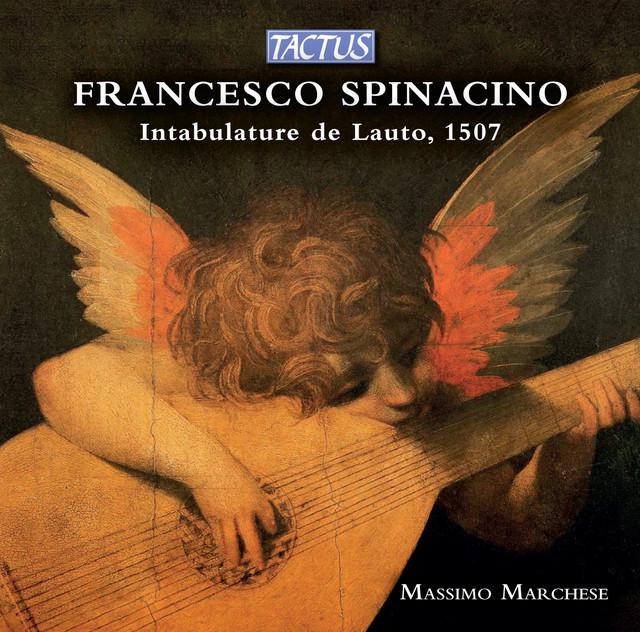
Francesco Spinacino’s Spotify BioFrancesco Spinacino, a famous lutenist and composer of the Italian Renaissance, was born in the town of Fossombrone, probably around the year 1485. In the preface to the first of two collections of lute music published by Spinacino in Venice in 1507 (the only date in his career that may be accurately verified), the poet Cristoforo Gigante described him as "a true heir of Orpheus." Spinacino was probably still alive in 1520 -- this is suggested by Philippo Oriolo da Bassano's poem Monte Parnaso, which includes Spinacino's name in a list of great fifteenth-century lutenists.
His two publications, Intabulatura de lauto libro primo and Intabulatura de lauto libro secondo, were the earliest printed volumes dedicated to the instrument. Both include a rudimentary introduction to lute tablature notation in both Latin and Italian, which proved so popular with readers that they were reprinted in all Petrucci's subsequent publications for lute until 1546. Spinacino's collections drew upon music… and songs from as far afield as the British Isles. The "ricercares" in particular are among the most elaborate of their period. Often designed as preludes to other pieces, they are free in form and often of virtuoso complexity. While almost nothing is known of Spinacino's life and family, the quality of his surviving music suggests he must have been one of the very finest lute players of his epoch.
Viberate is a music analytics platform built for A&Rs, artist managers, labels, booking agents, marketers, and artists.
It helps music professionals track artist growth, analyze audience data, monitor playlist activity, compare artists, follow song performance, and identify opportunities across the music market.
Public artist pages provide a free preview of selected artist data. Paid plans provide access to deeper analytics, historical data, charts, comparisons, playlist tools, exports, alerts, reports, and additional professional features.
Yes. Public Viberate artist pages provide selected artist analytics and music data for free.
Viberate also offers a 7-day free trial of the full platform. A credit card is required to start the trial. The trial includes access to the complete product so users can test deeper artist analytics, historical views, playlist insights, comparisons, charts, exports, alerts, and reporting features before choosing a paid plan.
Viberate provides artist analytics across streaming, playlists, social media, video, radio airplay, songs, and audience markets.
Users can analyze Spotify performance, Spotify and Apple Music playlists, YouTube activity, TikTok and Instagram growth, radio spins, song performance, audience locations, demographics, rankings, and overall artist momentum.
Artist profiles also connect to music charts, similar artists, and comparison tools, helping users benchmark performance and evaluate artists in context.
Viberate updates key artist and track data daily.
For followed artists and tracks, selected data is refreshed multiple times per day. This helps teams monitor playlist changes, streaming movement, audience growth, releases, and campaign performance with more current data.
Update frequency can vary depending on the metric and data source.
Yes. Viberate lets users compare up to five artists side by side across streaming, social media, audience, and engagement metrics.
Users can compare fanbase growth, audience demographics, locations, Spotify performance, social metrics, and other artist data over selected time periods.
Artist comparison can be used for A&R scouting, benchmarking, booking decisions, campaign planning, and evaluating artists with similar audiences or market positions.