Folk Devils

Rock
Alternative Rock
Post Punk
 Viberate Rank: 435133
 Viberate Rank: 435133
 Monthly ListenersFollowers
 Subscribers
 Followers
 Followers
 FansTop Spotify Songs
| Track | 7-Day Streams | |
|---|---|---|
1 | 501 | |
2 | 29 | |
3 | 14 | |
4 | 11 | |
5 | 8 |
Top YouTube VideosMonthly ListenersFeatured in Playlists| Playlist | Followers | |
|---|---|---|
1 | Post-Punk Essentials Vol. 1 Definitive Gaze | 54.34K |
2 |  GOTH ULTIMATE LIST | DARK WAVE/POST-PUNK/GOTHIC ROCK/EBM/SYNTH/DEATH ROCK Annie Dark | 31.59K |
3 | Dark Postpunk | Coldwave | Darkwave by Darklark darklark | 15.01K |
4 | Annie Dark | 13.40K |
5 |  The John Peel Sessions Sebastien Vanblaere | 12.11K |
Audience| City | Monthly Listeners | |
|---|---|---|
1 |  | 37 |
2 |  | 25 |
3 | | 24 |
4 |  | 19 |
5 |  | 16 |
See full performance history, audience data, playlist activity, rankings, comparisons, and more in Viberate music analytics. Start with a free trial, then continue with a paid plan.
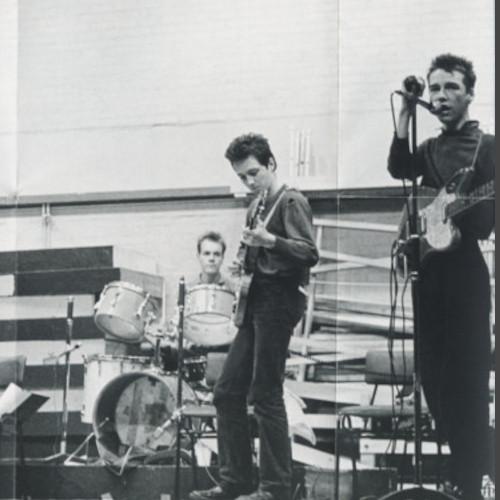
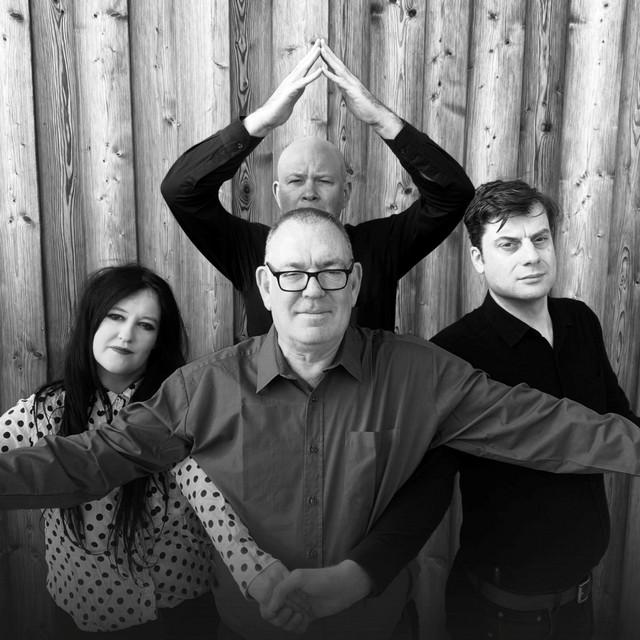
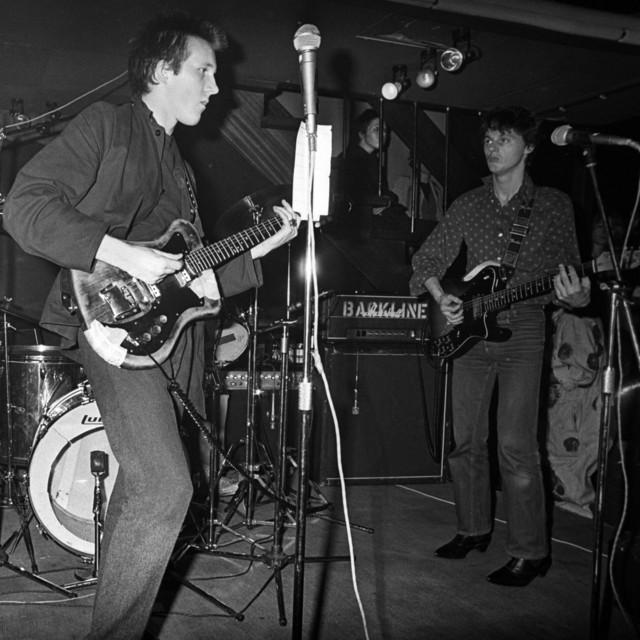
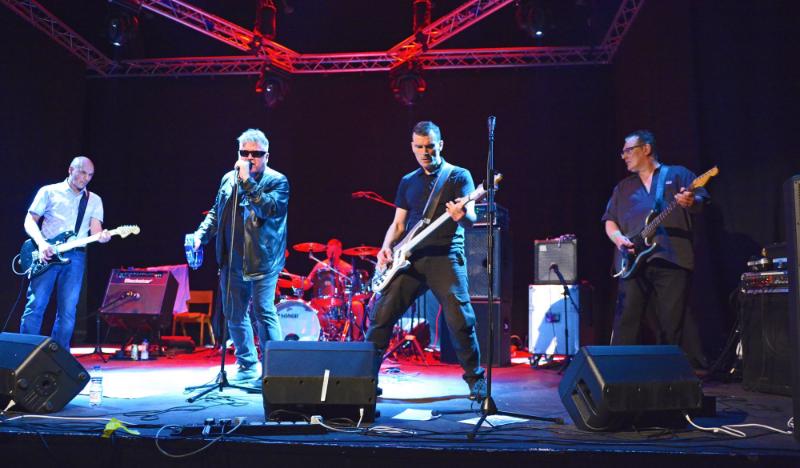
Folk Devils’ Spotify BioFormed by Co. Durham native Ian Lowery (formerly of The Wall and Ski Patrol) in late 1983 with a line up that consisted of Whiteley (Bass), Kris Jozajtis (Guitar) and Alan Cole (Drums). Throughout their short lifespan, they released several acclaimed independent singles including “Hank Turns Blue”, “Beautiful Monster”, 1985’s intense “Fire And Chrome” EP, and recorded three sessions for BBC Radio’s John Peel Show.
The band was initially managed by Ray Gange (The Clash/Rudeboy) who released their early singles on his own label. By early 1984, their heady brew of swampy rock on a bed of bastardized blues had created a vehicle for Lowery’s increasingly misanthropic worldview. A well-honed gutter poet since the early days of punk, Ian developed an idiosyncratic style, fusing a natural gift for sly wordplay and a well-turned snarky phrase with his often vitriolic and poignant lyrics channeled through an explosive onstage persona. By 1985, their sound was becoming sharp, ominous and urgent,… and had taken shape with the help of producer Richard Mazda, with whom they collaborated several times. The band moved label and management duties to the KARBON operation, gigging constantly, most memorably sharing bills with the likes of The Fall, Nick Cave, The Gun Club and Spacemen 3. The band folded in 1987, after which Lowery signed to Beggars Banquet under the King Blank moniker. He died in 2001. The surviving members released a brand new EP “Forever” in 2020.
Viberate is a music analytics platform built for A&Rs, artist managers, labels, booking agents, marketers, and artists.
It helps music professionals track artist growth, analyze audience data, monitor playlist activity, compare artists, follow song performance, and identify opportunities across the music market.
Public artist pages provide a free preview of selected artist data. Paid plans provide access to deeper analytics, historical data, charts, comparisons, playlist tools, exports, alerts, reports, and additional professional features.
Yes. Public Viberate artist pages provide selected artist analytics and music data for free.
Viberate also offers a 7-day free trial of the full platform. A credit card is required to start the trial. The trial includes access to the complete product so users can test deeper artist analytics, historical views, playlist insights, comparisons, charts, exports, alerts, and reporting features before choosing a paid plan.
Viberate provides artist analytics across streaming, playlists, social media, video, radio airplay, songs, and audience markets.
Users can analyze Spotify performance, Spotify and Apple Music playlists, YouTube activity, TikTok and Instagram growth, radio spins, song performance, audience locations, demographics, rankings, and overall artist momentum.
Artist profiles also connect to music charts, similar artists, and comparison tools, helping users benchmark performance and evaluate artists in context.
Viberate updates key artist and track data daily.
For followed artists and tracks, selected data is refreshed multiple times per day. This helps teams monitor playlist changes, streaming movement, audience growth, releases, and campaign performance with more current data.
Update frequency can vary depending on the metric and data source.
Yes. Viberate lets users compare up to five artists side by side across streaming, social media, audience, and engagement metrics.
Users can compare fanbase growth, audience demographics, locations, Spotify performance, social metrics, and other artist data over selected time periods.
Artist comparison can be used for A&R scouting, benchmarking, booking decisions, campaign planning, and evaluating artists with similar audiences or market positions.