Floor

Metal
Doom/Sludge Metal
 Viberate Rank: 197644
 Viberate Rank: 197644
 Monthly ListenersFollowers
 Subscribers
 Followers
 Followers
 FansTop Spotify Songs
| Track | 7-Day Streams | |
|---|---|---|
1 | 812 | |
2 | 562 | |
3 | 440 | |
4 | 439 | |
5 | 423 |
Top YouTube VideosMonthly ListenersFeatured in Playlists| Playlist | Followers | |
|---|---|---|
1 |  The Sound of Everything The Sounds of Spotify | 53.81K |
2 |  Stoner Rock & Psychedelic Space Rock StonerRock.Space | 36.07K |
3 |  Stoner Rock A-Z boogievan | 24.16K |
4 |  Stoner Metal The Brick | 21.40K |
5 | Riff Robert Hermansson | 7.89K |
Audience| City | Monthly Listeners | |
|---|---|---|
1 | | 133 |
2 | | 120 |
3 | | 116 |
4 | | 111 |
5 | | 99 |
See full performance history, audience data, playlist activity, rankings, comparisons, and more in Viberate music analytics. Start with a free trial, then continue with a paid plan.
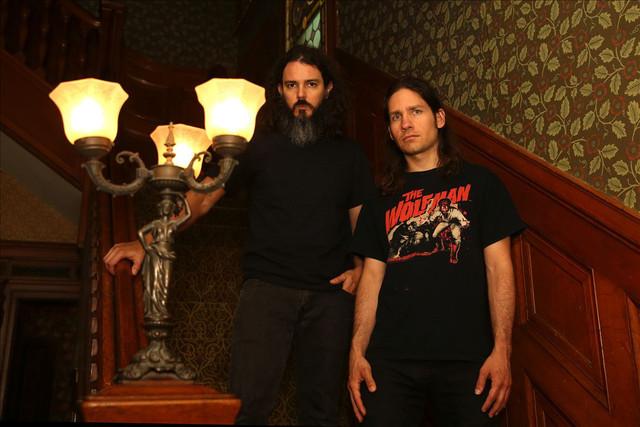
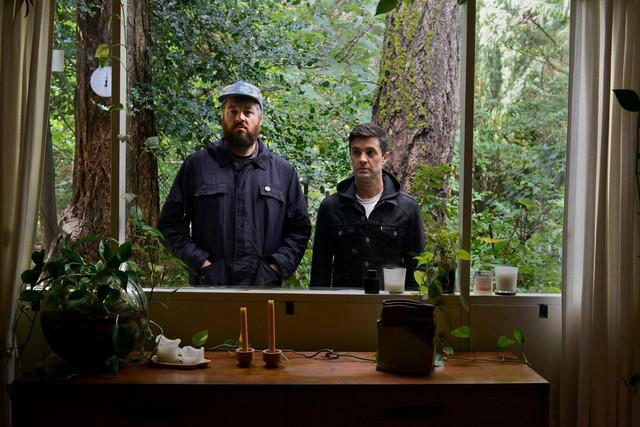
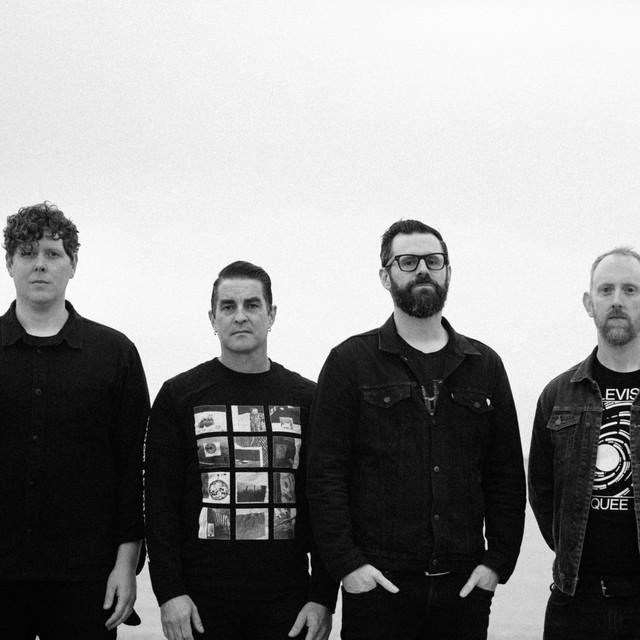
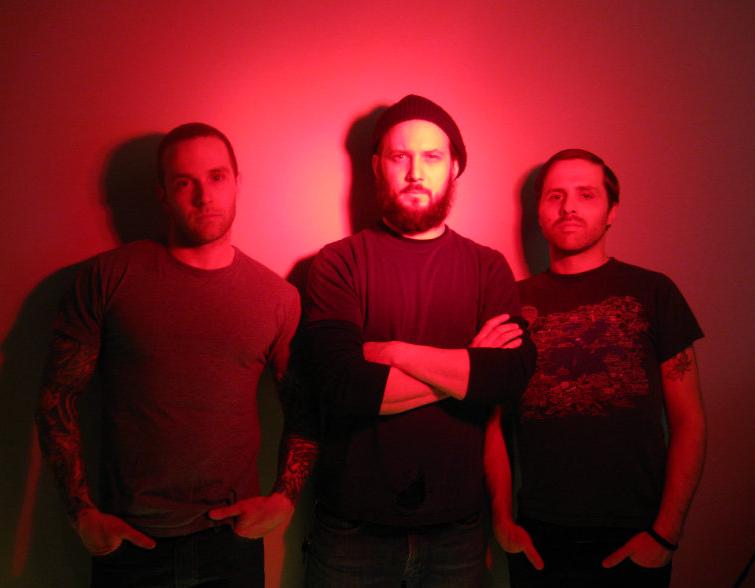
Floor’s Spotify BioDespite seeming like they could never stay together very long, Floor would go on to become an influential band in the doom/sludge world thanks to their signature guitar tone and fusion of heavy metal and power pop influences. Formed in 1992 by guitarists Steve Brooks and Anthony Vialon along with drummer Betty Monteavaro (who would be replaced by Jeff Sousa the following year), the Miami, Florida trio first made a name for itself as a sludge metal outfit, releasing a number of singles and even recording the material that would be released a decade later on Dove before breaking up in 1996. It was during this time that Brooks and Vialon, who were trying to find a way to play without a bass player, came up with the droning, detuned guitar sound that would become the band's trademark. After a brief reunion in 1997, the band came back together to write new material in 2001 with Henry Wilson as its full-time drummer. It was then that the band began incorporating poppier influences, crafting… a sound that owed as much to Hüsker Dü and Guided by Voices as it did to Sunn 0))). This would be the foundation for 2002's groundbreaking Floor, the band's first full-length release. With the bandmembers parting ways again in 2003, it also seemed like it would be the last. Although the members branched out into other projects, with Brooks going on to form Torche and Wilson starting Dove, the trio eventually came together again in 2010 to play a handful of reunion shows. Enjoying their time together, Floor continued to tour more and, growing tired of playing the same songs night after night, began writing again. Floor eventually made their long-awaited return with Oblation, which was released by Season of Mist in 2014. ~ Gregory Heaney, Rovi
Viberate is a music analytics platform built for A&Rs, artist managers, labels, booking agents, marketers, and artists.
It helps music professionals track artist growth, analyze audience data, monitor playlist activity, compare artists, follow song performance, and identify opportunities across the music market.
Public artist pages provide a free preview of selected artist data. Paid plans provide access to deeper analytics, historical data, charts, comparisons, playlist tools, exports, alerts, reports, and additional professional features.
Yes. Public Viberate artist pages provide selected artist analytics and music data for free.
Viberate also offers a 7-day free trial of the full platform. A credit card is required to start the trial. The trial includes access to the complete product so users can test deeper artist analytics, historical views, playlist insights, comparisons, charts, exports, alerts, and reporting features before choosing a paid plan.
Viberate provides artist analytics across streaming, playlists, social media, video, radio airplay, songs, and audience markets.
Users can analyze Spotify performance, Spotify and Apple Music playlists, YouTube activity, TikTok and Instagram growth, radio spins, song performance, audience locations, demographics, rankings, and overall artist momentum.
Artist profiles also connect to music charts, similar artists, and comparison tools, helping users benchmark performance and evaluate artists in context.
Viberate updates key artist and track data daily.
For followed artists and tracks, selected data is refreshed multiple times per day. This helps teams monitor playlist changes, streaming movement, audience growth, releases, and campaign performance with more current data.
Update frequency can vary depending on the metric and data source.
Yes. Viberate lets users compare up to five artists side by side across streaming, social media, audience, and engagement metrics.
Users can compare fanbase growth, audience demographics, locations, Spotify performance, social metrics, and other artist data over selected time periods.
Artist comparison can be used for A&R scouting, benchmarking, booking decisions, campaign planning, and evaluating artists with similar audiences or market positions.