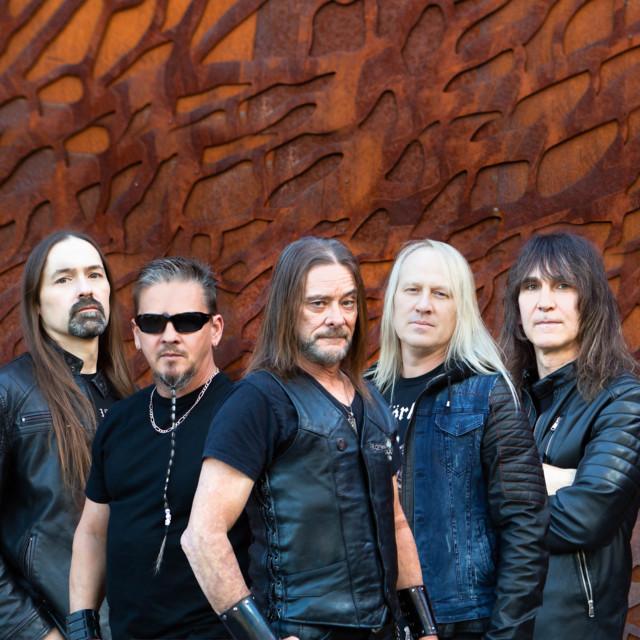
Fight

Metal
Heavy Metal
Groove Metal
 Viberate Rank: 114914
 Viberate Rank: 114914
 Monthly ListenersFollowers
 Subscribers
 Followers
 Followers
 FansTop Spotify Songs
| Track | 7-Day Streams | |
|---|---|---|
1 | 4.86K | |
2 | 3.89K | |
3 | 3.73K | |
4 | 2.90K | |
5 | 1.51K |
Top YouTube Videos| Video | 7-Day Views | |
|---|---|---|
1 | 1.61K |
Monthly ListenersFeatured in Playlists| Playlist | Followers | |
|---|---|---|
1 | sad metal songs. Sebastian Finta | 78.46K |
2 |  Ultimate Groove Metal Loudwire | 24.35K |
3 | Metal Mac Attack Metal Mac Attack | 18.59K |
4 |  Mortal Kombat wbgamesmx | 9.37K |
5 |  Rock 101 Mexico Alejandro Romero | 6.93K |
Audience| City | Monthly Listeners | |
|---|---|---|
1 |  | 785 |
2 |  | 657 |
3 |  | 605 |
4 |  | 531 |
5 | | 307 |
See full performance history, audience data, playlist activity, rankings, comparisons, and more in Viberate music analytics. Start with a free trial, then continue with a paid plan.
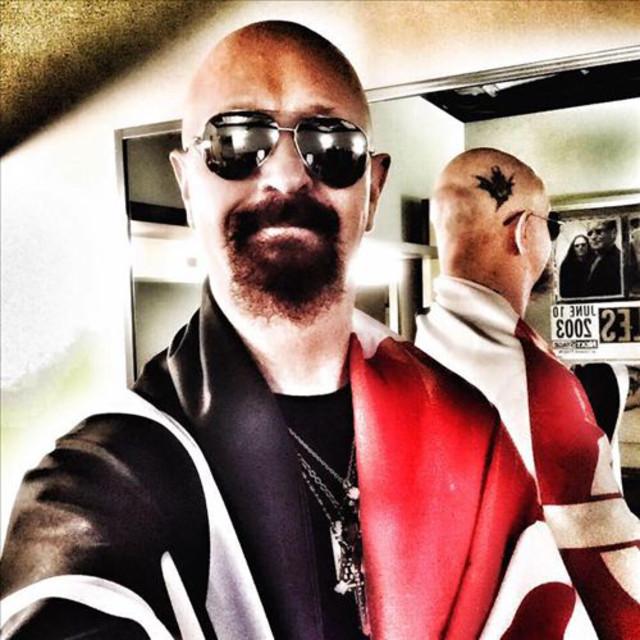
Fight’s Spotify BioWhen lead singer and heavy metal legend Rob Halford left Judas Priest in the early '90s (following two decades of service in the veteran band), he quickly rebounded with a ferocious new metal band called Fight, which he co-founded with Priest drummer Scott Travis. Fleshing out the group's lineup with guitarists Russ Parrish and Brian Tilse and bassist Jay Jay, Halford took Fight into the studio and recorded War of Words in 1993.
Taking a deliberate step away from the old-school tendencies and cartoon metal lyrics of his former band, Halford based the Fight's sound on the more sleek, thrash-oriented approach of newer metal outfits like Pantera and matched the intense sound with decidedly more topical and socially relevant lyrics. Although it didn't make much of a splash in the mainstream world, War of Words proved to be a hit among Halford's fans, and Fight embarked on a successful tour in 1993 and 1994.
Abandoning the elaborate staging, lights, and props that Priest was famous for,… Halford and company delivered their material with the stripped-down intensity and hunger of a baby band while paying a debt to its past (and showing its commitment to heavy metal) with covers of Priest's "Freewheel Burning" and Black Sabbath's "Symptom of the Universe." Mutations, an EP of live tracks and remixes, was released in 1994, followed by Fight's second full-length release, 1995's A Small Deadly Space, which saw Russ Parrish replaced by new guitarist Mark Chaussee. The album, featuring a more collaborative songwriting approach from the band, offered a slightly toned-down version of War of Words' full-bore intensity and lacked the excitement of Parrish's fluid soloing, but otherwise maintained the straightforward metal sound and Halford's darker, real-life horror lyrical themes. A Small Deadly Space would be Fight's final offering; Halford disbanded the group in 1996 and moved on to new stylistic pastures with his next project, the Trent Reznor-produced Two. ~ Andy Hinds, Rovi
Viberate is a music analytics platform built for A&Rs, artist managers, labels, booking agents, marketers, and artists.
It helps music professionals track artist growth, analyze audience data, monitor playlist activity, compare artists, follow song performance, and identify opportunities across the music market.
Public artist pages provide a free preview of selected artist data. Paid plans provide access to deeper analytics, historical data, charts, comparisons, playlist tools, exports, alerts, reports, and additional professional features.
Yes. Public Viberate artist pages provide selected artist analytics and music data for free.
Viberate also offers a 7-day free trial of the full platform. A credit card is required to start the trial. The trial includes access to the complete product so users can test deeper artist analytics, historical views, playlist insights, comparisons, charts, exports, alerts, and reporting features before choosing a paid plan.
Viberate provides artist analytics across streaming, playlists, social media, video, radio airplay, songs, and audience markets.
Users can analyze Spotify performance, Spotify and Apple Music playlists, YouTube activity, TikTok and Instagram growth, radio spins, song performance, audience locations, demographics, rankings, and overall artist momentum.
Artist profiles also connect to music charts, similar artists, and comparison tools, helping users benchmark performance and evaluate artists in context.
Viberate updates key artist and track data daily.
For followed artists and tracks, selected data is refreshed multiple times per day. This helps teams monitor playlist changes, streaming movement, audience growth, releases, and campaign performance with more current data.
Update frequency can vary depending on the metric and data source.
Yes. Viberate lets users compare up to five artists side by side across streaming, social media, audience, and engagement metrics.
Users can compare fanbase growth, audience demographics, locations, Spotify performance, social metrics, and other artist data over selected time periods.
Artist comparison can be used for A&R scouting, benchmarking, booking decisions, campaign planning, and evaluating artists with similar audiences or market positions.