Armored Saint

Metal
Heavy Metal
 Viberate Rank: 58597
 Viberate Rank: 58597
 Monthly ListenersFollowers
 Subscribers
 Followers
 Followers
 FansTop Spotify Songs
| Track | 7-Day Streams | |
|---|---|---|
1 | 15.90K | |
2 | 5.95K | |
3 | 4.13K | |
4 | 3.10K | |
5 | 2.91K |
Top YouTube VideosMonthly ListenersFeatured in Playlists| Playlist | Followers | |
|---|---|---|
1 |  80’s Hair Metal & Rock halun1 | 40.35K |
2 |  Power Speed and Metal Chris Entonie | 38.53K |
3 |  Greatest Metal Songs of All Time Jake Smith | 37.28K |
4 | thrash metal Daniel Baldwin | 21.08K |
5 |  Metal Kingdom PlayStation®️ | 20.19K |
Audience| City | Monthly Listeners | |
|---|---|---|
1 |  | 1.10K |
2 |  | 851 |
3 | | 832 |
4 | | 684 |
5 |  | 666 |
See full performance history, audience data, playlist activity, rankings, comparisons, and more in Viberate music analytics. Start with a free trial, then continue with a paid plan.
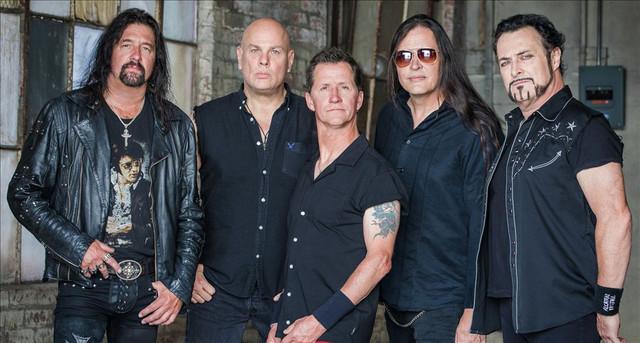
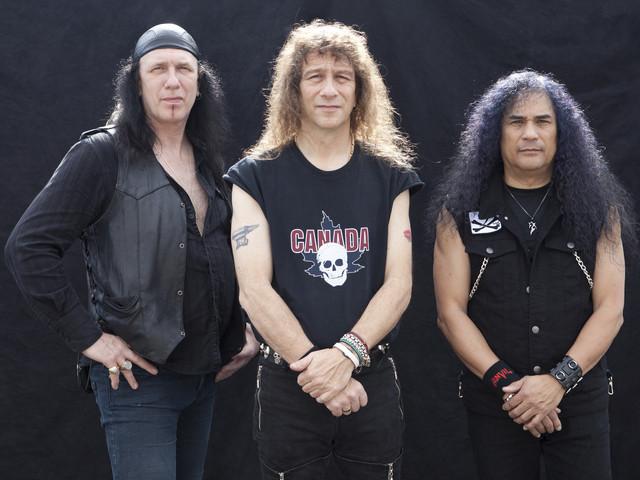
Armored Saint’s Spotify BioOne of the select few true metal bands to emerge from the glitzy Sunset Strip scene, Armored Saint specializes in a style of no-frills metal that has more in common with New Wave of British Heavy Metal acts like Iron Maiden, Judas Priest, and Saxon. The band issued a trio of influential albums in the 1980s (March of the Saint, Delirious Nomad, and Raising Fear) before ceasing operations in the early '90s after the passing of original guitarist David Prichard. Re-forming in 1999, the group has continued to stand at the nexus of thrash and hard rock, releasing their hard-hitting eighth full-length effort, Punching the Sky, in 2020.
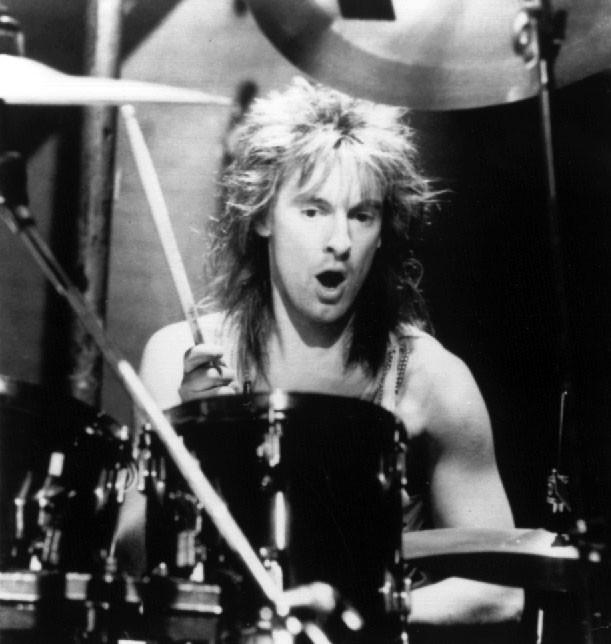
Formed in 1982 and originally comprising John Bush (vocals), David Prichard (guitar), Phil Sandoval (guitar), Joey Vera (bass), and Gonzo Sandoval (drums), the quintet issued a three-track self-titled EP on the Metal Blade label in 1983 before signing on with Chrysalis. They put out such underappreciated releases as 1984's March of the Saint, 1985's Delirious… Nomad, and 1987's Raising Fear, and built a fanatical following in their locally, but failed to break through to the big time elsewhere.
Shortly after a switch back to Metal Blade in the late '80s, Armored Saint issued their first live recording, 1989's Saints Will Conquer, but bad news was lurking right around the corner. Founding guitarist Pritchard was diagnosed with leukemia and passed away in 1990. The group pressed on (with newcomer Jeff Duncan taking Pritchard's spot in the lineup), issuing Symbol of Salvation in 1991. But the band decided to call it a day a year later when Bush accepted an invitation to join New York thrash metallists Anthrax. By the late '90s, Armored Saint decided to reunite once more and Bush remained a member of Anthrax and Armored Saint simultaneously (Vera was also doing double duty, as he'd become a member of prog-metallists Fates Warning). The newly re-formed outfit issued an all-new recording in 2000, Revelation, while a double-disc anthology, Nod to the Old School, surfaced a year later. A decade later in 2010, the band released La Raza, their sixth full-length studio album, on Metal Blade, followed in 2015 by Win Hands Down. In 2017, the band issued the PledgeMusic-funded Carpe Noctum, a concert LP recorded at the band's 2015 Wacken Festival set, as well as their headlining show in Aschaffenburg, Germany. They followed that up in 2020 with their eight studio long-player, Punching the Sky. ~ Greg Prato & James Christopher Monger, Rovi
Viberate is a music analytics platform built for A&Rs, artist managers, labels, booking agents, marketers, and artists.
It helps music professionals track artist growth, analyze audience data, monitor playlist activity, compare artists, follow song performance, and identify opportunities across the music market.
Public artist pages provide a free preview of selected artist data. Paid plans provide access to deeper analytics, historical data, charts, comparisons, playlist tools, exports, alerts, reports, and additional professional features.
Yes. Public Viberate artist pages provide selected artist analytics and music data for free.
Viberate also offers a 7-day free trial of the full platform. A credit card is required to start the trial. The trial includes access to the complete product so users can test deeper artist analytics, historical views, playlist insights, comparisons, charts, exports, alerts, and reporting features before choosing a paid plan.
Viberate provides artist analytics across streaming, playlists, social media, video, radio airplay, songs, and audience markets.
Users can analyze Spotify performance, Spotify and Apple Music playlists, YouTube activity, TikTok and Instagram growth, radio spins, song performance, audience locations, demographics, rankings, and overall artist momentum.
Artist profiles also connect to music charts, similar artists, and comparison tools, helping users benchmark performance and evaluate artists in context.
Viberate updates key artist and track data daily.
For followed artists and tracks, selected data is refreshed multiple times per day. This helps teams monitor playlist changes, streaming movement, audience growth, releases, and campaign performance with more current data.
Update frequency can vary depending on the metric and data source.
Yes. Viberate lets users compare up to five artists side by side across streaming, social media, audience, and engagement metrics.
Users can compare fanbase growth, audience demographics, locations, Spotify performance, social metrics, and other artist data over selected time periods.
Artist comparison can be used for A&R scouting, benchmarking, booking decisions, campaign planning, and evaluating artists with similar audiences or market positions.