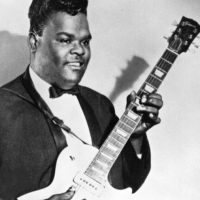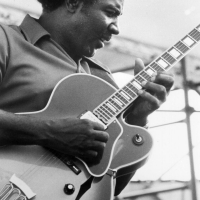
Fenton Robinson

Blues
Classic Blues
Contemporary Blues
 Viberate Rank: 107712
 Viberate Rank: 107712
 Monthly ListenersFollowers
 Subscribers
 Followers
 Followers
 FansTop Spotify Songs
| Track | 7-Day Streams | |
|---|---|---|
1 | 15.60K | |
2 | 14.86K | |
3 | 13.80K | |
4 | 7.63K | |
5 | 5.04K |
Top YouTube VideosMonthly ListenersFeatured in Playlists| Playlist | Followers | |
|---|---|---|
1 |  The American Dream ✨ The Sandlot Vintage | 64.96K |
2 |  Greatest Blues Jared Kerkhof | 56.18K |
3 |  Blues Ballads/ Slow Blues Joar Fosså | 39.54K |
4 |  Mixtape #13 Clairo "Charming to Me" Spotify | 38.58K |
5 |  Blues Brothers Movie Soundtrack theman1234 | 28.40K |
Audience| City | Monthly Listeners | |
|---|---|---|
1 |  | 2.32K |
2 |  | 2.08K |
3 |  | 2.02K |
4 | | 1.78K |
5 | | 1.52K |
See full performance history, audience data, playlist activity, rankings, comparisons, and more in Viberate music analytics. Start with a free trial, then continue with a paid plan.
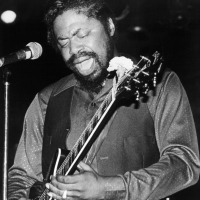
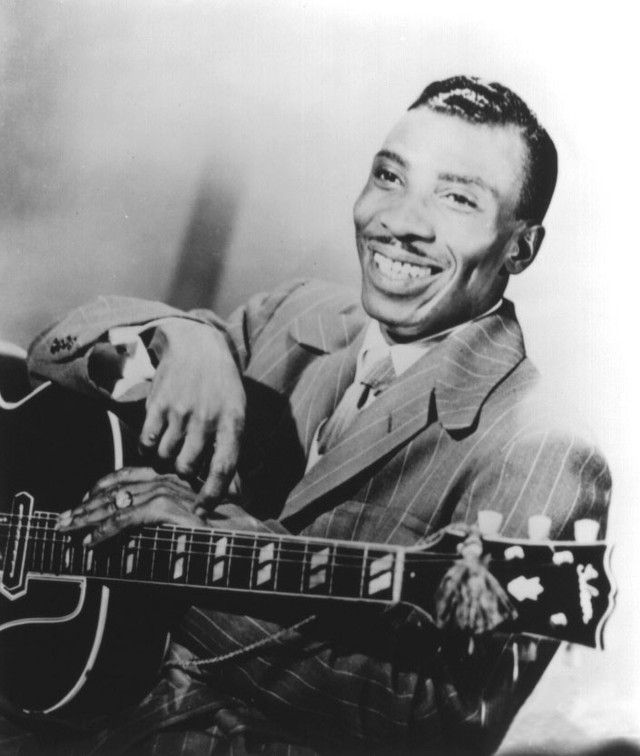
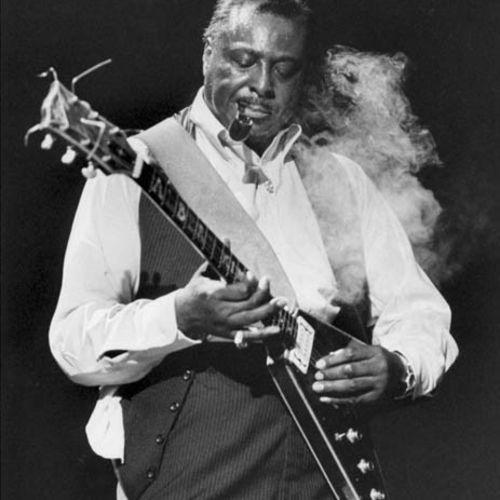
Fenton Robinson’s Spotify BioHis Japanese fans reverently dubbed Fenton Robinson "the mellow blues genius" because of his ultra-smooth vocals and jazz-inflected guitar work. But beneath the obvious subtlety resides a spark of constant regeneration -- Robinson tirelessly strives to invent something fresh and vital whenever he's near a bandstand. The soft-spoken Mississippi native got his career going in Memphis, where he'd moved at age 16. First, Rosco Gordon used him on a 1956 session for Duke that produced "Keep on Doggin'." The next year, Fenton made his own debut as a leader for the Bihari Brothers' Meteor label with his first reading of "Tennessee Woman." His band, the Dukes, included mentor Charles McGowan on guitar. T-Bone Walker and B.B. King were Robinson's idols.
1957 also saw Fenton team up with bassist Larry Davis at the Flamingo Club in Little Rock. Bobby Bland caught the pair there and recommended them to his boss, Duke Records prexy Don Robey. Both men made waxings for Duke in 1958, Robinson playing… on Davis' classic "Texas Flood" and making his own statement with "Mississippi Steamboat." Robinson cut the original version of the often-covered Peppermint Harris-penned slow blues "As the Years Go Passing By" for Duke in 1959 with New Orleans prodigy James Booker on piano. The same date also produced a terrific "Tennessee Woman" and a marvelous blues ballad, "You've Got to Pass This Way Again." Fenton moved to Chicago in 1962, playing Southside clubs with Junior Wells, Sonny Boy Williamson, and Otis Rush and laying down the swinging "Say You're Leavin'" for USA in 1966. But it was his stunning slow blues "Somebody (Loan Me a Dime)" cut in 1967 for Palos, that insured his blues immortality. Boz Scaggs liked it so much that he covered it for his 1969 debut LP. Unfortunately, he initially also claimed he wrote the tune; much litigation followed.
John Richbourg's Sound Stage 7/Seventy 7 labels, it's safe to say, didn't really have a clue as to what Fenton Robinson's music was all about. The guitarist's 1970 Nashville waxings for the firm were mostly horrific: he wasn't even invited to play his own guitar on the majority of the horribly unsubtle rock-slanted sides. His musical mindset was growing steadily jazzier by then, not rockier.
Robinson fared a great deal better at his next substantial stop: Chicago's Alligator Records. His 1974 album Somebody Loan Me a Dime remains the absolute benchmark of his career, spotlighting his rich, satisfying vocals and free-spirited, understated guitar work in front of a rock-solid horn-driven band. By comparison, 1977's I Hear Some Blues Downstairs was a trifle disappointing despite its playful title track and a driving T-Bone tribute, "Tell Me What's the Reason." Alligator issued Nightflight, another challenging set, in 1984, then backed off the guitarist. His 1989 disc Special Road, first came out on the Dutch Black Magic logo and was reissued by Evidence Music. Robinson passed away on November 25, 1997 at the age of 62 due to complications from brain cancer. ~ Bill Dahl, Rovi
Viberate is a music analytics platform built for A&Rs, artist managers, labels, booking agents, marketers, and artists.
It helps music professionals track artist growth, analyze audience data, monitor playlist activity, compare artists, follow song performance, and identify opportunities across the music market.
Public artist pages provide a free preview of selected artist data. Paid plans provide access to deeper analytics, historical data, charts, comparisons, playlist tools, exports, alerts, reports, and additional professional features.
Yes. Public Viberate artist pages provide selected artist analytics and music data for free.
Viberate also offers a 7-day free trial of the full platform. A credit card is required to start the trial. The trial includes access to the complete product so users can test deeper artist analytics, historical views, playlist insights, comparisons, charts, exports, alerts, and reporting features before choosing a paid plan.
Viberate provides artist analytics across streaming, playlists, social media, video, radio airplay, songs, and audience markets.
Users can analyze Spotify performance, Spotify and Apple Music playlists, YouTube activity, TikTok and Instagram growth, radio spins, song performance, audience locations, demographics, rankings, and overall artist momentum.
Artist profiles also connect to music charts, similar artists, and comparison tools, helping users benchmark performance and evaluate artists in context.
Viberate updates key artist and track data daily.
For followed artists and tracks, selected data is refreshed multiple times per day. This helps teams monitor playlist changes, streaming movement, audience growth, releases, and campaign performance with more current data.
Update frequency can vary depending on the metric and data source.
Yes. Viberate lets users compare up to five artists side by side across streaming, social media, audience, and engagement metrics.
Users can compare fanbase growth, audience demographics, locations, Spotify performance, social metrics, and other artist data over selected time periods.
Artist comparison can be used for A&R scouting, benchmarking, booking decisions, campaign planning, and evaluating artists with similar audiences or market positions.