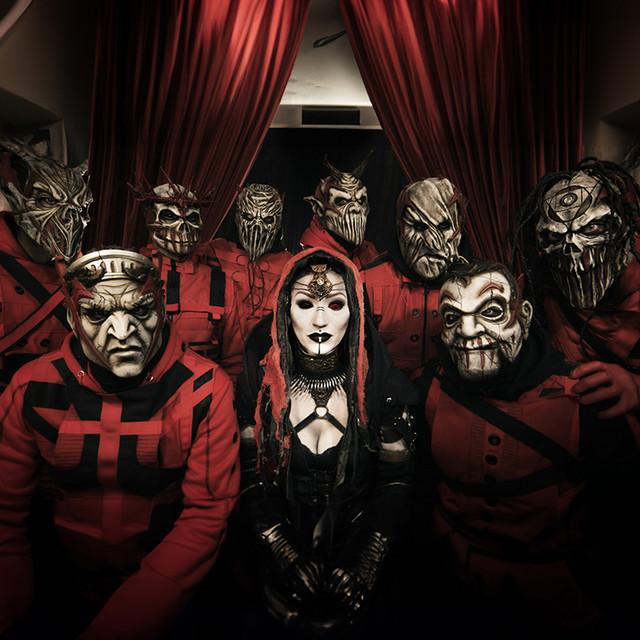
Fear Factory

Metal
Groove Metal
Industrial Metal
 Viberate Rank: 10615
 Viberate Rank: 10615
 Monthly ListenersFollowers
 Subscribers
 Followers
 Followers
 FansTop Spotify Songs
| Track | 7-Day Streams | |
|---|---|---|
1 | 179.56K | |
2 | 111.03K | |
3 | 109.13K | |
4 | 71.15K | |
5 | 50.53K |
Top YouTube VideosMonthly ListenersFeatured in Playlists| Playlist | Followers | |
|---|---|---|
1 |  Metal Essentials Spotify | 3.74M |
2 |  Heavy Workout Spotify | 2.49M |
3 |  Nu Metal Era Spotify | 2.34M |
4 |  Kickass Metal Spotify | 1.66M |
5 |  90s Metal Classics Spotify | 1.47M |
Audience| City | Monthly Listeners | |
|---|---|---|
1 |  | 14.61K |
2 | | 14.43K |
3 | | 14.15K |
4 |  | 13.74K |
5 |  | 11.04K |
See full performance history, audience data, playlist activity, rankings, comparisons, and more in Viberate music analytics. Start with a free trial, then continue with a paid plan.
Fear Factory’s Spotify BioOne can’t overstate the size of the Fear Factory boot print on the neck of heavy metal. Unleashing influential albums with devastating anthems for over 30 years, Fear Factory is widely recognized as both crucial and innovative in extreme metal circles. Fear Factory manufactured, demanufactured, and remanufactured a sound that reverberates across several subgenres. They perfected an explosive blend of staccato paint-stripping riffs, industrial-tinged drums, electronic flourishes, and a scream/sing dichotomy, all of which became staples in heavy music, ever since the group first emerged in L.A.
Fear Factory records are cinematic in scope; sonic landscapes, echoing the dystopian post-apocalyptic futures found in classic sci-fi literature and films, from Ray Bradbury to Blade Runner. Aggression Continuum, the tenth studio album, is the culmination of three decades of unforgettable songs, performances, and forward-thinking storytelling concepts, while simultaneously rebooting Fear Factory… onto a brilliant and excitingly unpredictable new path.
Aggression Continuum boasts the definitive attack of songs like “Recode,” “Distruptor,” and “Purity.” The riffs, concepts, and passion remain strong, as Fear Factory celebrates its past, present, and future. Whatever may come, Fear Factory will be there, a soundtrack to humankind’s uncertain times ahead.
Viberate is a music analytics platform built for A&Rs, artist managers, labels, booking agents, marketers, and artists.
It helps music professionals track artist growth, analyze audience data, monitor playlist activity, compare artists, follow song performance, and identify opportunities across the music market.
Public artist pages provide a free preview of selected artist data. Paid plans provide access to deeper analytics, historical data, charts, comparisons, playlist tools, exports, alerts, reports, and additional professional features.
Yes. Public Viberate artist pages provide selected artist analytics and music data for free.
Viberate also offers a 7-day free trial of the full platform. A credit card is required to start the trial. The trial includes access to the complete product so users can test deeper artist analytics, historical views, playlist insights, comparisons, charts, exports, alerts, and reporting features before choosing a paid plan.
Viberate provides artist analytics across streaming, playlists, social media, video, radio airplay, songs, and audience markets.
Users can analyze Spotify performance, Spotify and Apple Music playlists, YouTube activity, TikTok and Instagram growth, radio spins, song performance, audience locations, demographics, rankings, and overall artist momentum.
Artist profiles also connect to music charts, similar artists, and comparison tools, helping users benchmark performance and evaluate artists in context.
Viberate updates key artist and track data daily.
For followed artists and tracks, selected data is refreshed multiple times per day. This helps teams monitor playlist changes, streaming movement, audience growth, releases, and campaign performance with more current data.
Update frequency can vary depending on the metric and data source.
Yes. Viberate lets users compare up to five artists side by side across streaming, social media, audience, and engagement metrics.
Users can compare fanbase growth, audience demographics, locations, Spotify performance, social metrics, and other artist data over selected time periods.
Artist comparison can be used for A&R scouting, benchmarking, booking decisions, campaign planning, and evaluating artists with similar audiences or market positions.