Faze-O

R&B
Funk
Soul
Contemporary R&B
 Viberate Rank: 159375
 Viberate Rank: 159375
 Monthly ListenersFollowers
 Subscribers
 Followers
 Followers
 FansTop Spotify Songs
| Track | 7-Day Streams | |
|---|---|---|
1 | 11.45K | |
2 | 674 | |
3 | 561 | |
4 | 256 | |
5 | 225 |
Top YouTube VideosMonthly ListenersFeatured in Playlists| Playlist | Followers | |
|---|---|---|
1 |  Old School Lowrider Funk Rick Plant | 64.17K |
2 |  Disclosure's Record Bag Disclosure | 60.50K |
3 |  Best of 70s - 80s R&B Oldies Soul Music Mix / Paradise I Have Within DamnDev Radio | 38.19K |
4 | Michelle Obama's Musiaqualogy Vol 1 1964-1979 by Questlove Ahmir Khalib Thompson | 25.80K |
5 |  Sampled songs and the songs that sampled seetreepo | 20.62K |
Audience| City | Monthly Listeners | |
|---|---|---|
1 | | 1.02K |
2 | | 902 |
3 |  | 644 |
4 | | 591 |
5 | | 546 |
See full performance history, audience data, playlist activity, rankings, comparisons, and more in Viberate music analytics. Start with a free trial, then continue with a paid plan.
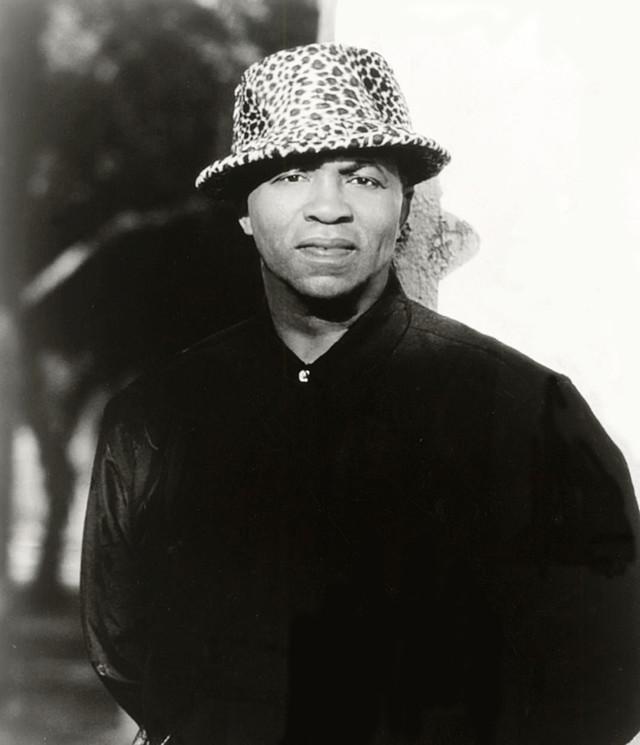
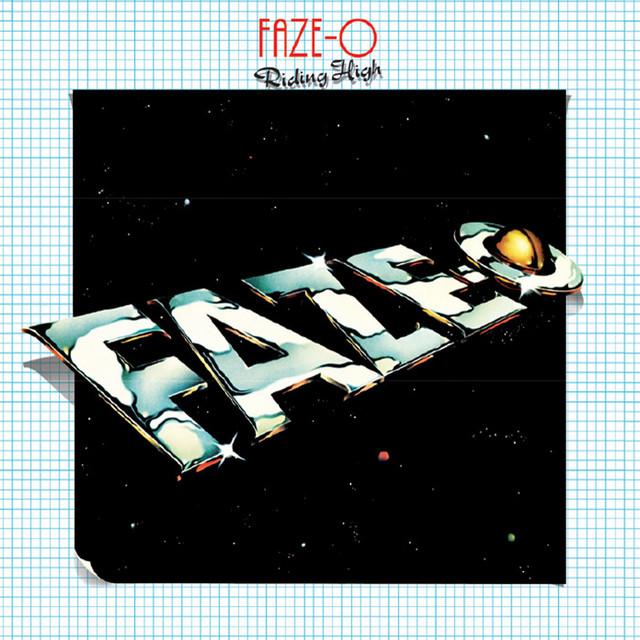
Faze-O’s Spotify BioAlong with the likes of the related Ohio Players, Slave, and Heatwave, Faze-O are among the reasons why Dayton, Ohio lays claim to the title of funk capital of the world. Active during the latter half of the '70s, Faze-O scored a Billboard Top Ten R&B hit out of the gate with "Riding High" (1978), the hypnotic and kicked-back title song from their debut album. The quintet charted again with the casual title tracks from Good Thang and Breakin' the Funk, their second and third Atlantic-distributed albums, both of which were out by the end of the decade. "Riding High" became a sample source for dozens of hip-hop producers, particularly throughout the '90s.
Faze-O evolved from Phase Three, a Dayton band that featured bassist Tyrone Crum. Through a series of lineup changes, Phase Three became Faze-O in 1975 with Crum joined by guitarist Ralph Aikens, keyboardist Keith Harrison, percussionist Robert Neal, Jr., and drummer Roger Parker. Most of the members shared lead and background vocal… duties. They were considering a move to Atlanta when Clarence Satchell of Ohio Players offered to produce them. After they signed an Atlantic distribution deal for their own She Records, they recorded Riding High, released in 1977. The title song, written by the band and Satchell, and arranged by the Ohio Players, entered Billboard's R&B chart the following March and eventually peaked at number nine. The parent LP was pushed to number 98 on the main album chart (number 19 R&B). Good Thang, the follow-up, was issued late the next year, and peaked at number 40 on the R&B chart with help from its Rick James-style title song, a number 43 R&B hit. Still working closely with Satchell, Faze-O put together Breakin' the Funk, their third and final album, and released it in 1979. As with the first two albums, its easy-grooving title song was the only single, though it didn't fare quite as well, landing at number 63.
After the band's subsequent breakup, Harrison went on to join Heatwave (for Candles and Current) and Dazz Band (in time for "Let It Whip"), while Parker moved on with Slave (the Show Time era) and Steve Arrington's Hall of Fame. Various configurations of Faze-O performed into the 2010s. A new album was in the works in 2021, when Neal died. Parker died in 2023. ~ Andy Kellman, Rovi
Viberate is a music analytics platform built for A&Rs, artist managers, labels, booking agents, marketers, and artists.
It helps music professionals track artist growth, analyze audience data, monitor playlist activity, compare artists, follow song performance, and identify opportunities across the music market.
Public artist pages provide a free preview of selected artist data. Paid plans provide access to deeper analytics, historical data, charts, comparisons, playlist tools, exports, alerts, reports, and additional professional features.
Yes. Public Viberate artist pages provide selected artist analytics and music data for free.
Viberate also offers a 7-day free trial of the full platform. A credit card is required to start the trial. The trial includes access to the complete product so users can test deeper artist analytics, historical views, playlist insights, comparisons, charts, exports, alerts, and reporting features before choosing a paid plan.
Viberate provides artist analytics across streaming, playlists, social media, video, radio airplay, songs, and audience markets.
Users can analyze Spotify performance, Spotify and Apple Music playlists, YouTube activity, TikTok and Instagram growth, radio spins, song performance, audience locations, demographics, rankings, and overall artist momentum.
Artist profiles also connect to music charts, similar artists, and comparison tools, helping users benchmark performance and evaluate artists in context.
Viberate updates key artist and track data daily.
For followed artists and tracks, selected data is refreshed multiple times per day. This helps teams monitor playlist changes, streaming movement, audience growth, releases, and campaign performance with more current data.
Update frequency can vary depending on the metric and data source.
Yes. Viberate lets users compare up to five artists side by side across streaming, social media, audience, and engagement metrics.
Users can compare fanbase growth, audience demographics, locations, Spotify performance, social metrics, and other artist data over selected time periods.
Artist comparison can be used for A&R scouting, benchmarking, booking decisions, campaign planning, and evaluating artists with similar audiences or market positions.