Experimental Audio Research

Rock
Indie Rock
Drone
 Viberate Rank: 416458
 Viberate Rank: 416458
 Monthly ListenersFollowers
 Subscribers
 Followers
 Followers
 FansTop Spotify SongsTop YouTube VideosMonthly ListenersFeatured in Playlists
| Playlist | Followers | |
|---|---|---|
1 | space rock & psychedelia Edson Alejandro Adame | 8.05K |
2 |  Daniel Avery - Magic + Memory [a playlist] Daniel Avery | 7.63K |
3 |  The Sound of Hauntology The Sounds of Spotify | 4.07K |
4 |  Folk Horror Revival - Harvest Hymns. The Twisted Roots & Sweet Fruits of Folk Horror Music Jim Peters | 3.83K |
5 |  Ambient guitar textures, relaxing, meditative, inspiring. 1165 Recordings | 2.90K |
Audience| City | Monthly Listeners | |
|---|---|---|
1 | | 15 |
2 |  | 13 |
3 | | 11 |
4 |  | 10 |
5 | | 9 |
See full performance history, audience data, playlist activity, rankings, comparisons, and more in Viberate music analytics. Start with a free trial, then continue with a paid plan.
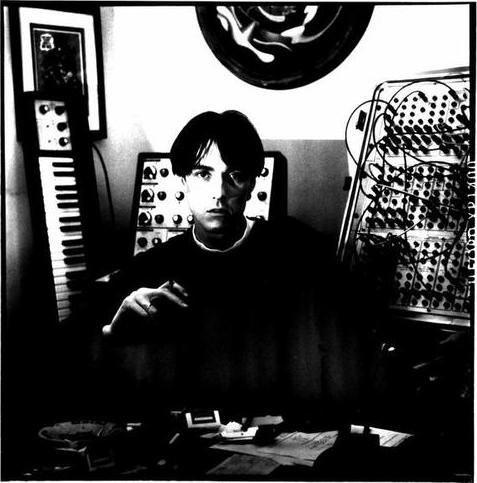
Experimental Audio Research’s Spotify BioExperimental Audio Research -- E.A.R. for short -- was a loosely affiliated assembly of performers primarily spearheaded by Spectrum frontman Sonic Boom; from time to time, the group also included, among others, My Bloody Valentine's Kevin Shields, God's Kevin Martin, and AMM's Eddie Prevost. As a revolving exercise in guitar-based noise, each E.A.R. release radically differed from the ones preceding it, spanning the divide between weightless ambience and dense sheets of feedback; the project was introduced via 1994's Mesmerised, and was followed a few months later by Pocket Symphony, released solely on 5" vinyl. (As befitting Sonic Boom's own affection for record collecting, the releases that followed in 1995 -- Hydroponic and an untitled effort -- appeared only as a 10" and 8" picture-disc recording, respectively.) Although released in 1996, the Beyond the Pale LP was originally intended as the first Experimental Audio Research release, and was actually recorded in 1992; Phenomena… 256 followed that August. Next up was 1997's The Köner Experiment, a nod to minimalist Thomas Köner, who also appeared on the disc; Millennium Music followed in 1998, with subsequent releases including Data Rape. ~ Jason Ankeny, Rovi
Viberate is a music analytics platform built for A&Rs, artist managers, labels, booking agents, marketers, and artists.
It helps music professionals track artist growth, analyze audience data, monitor playlist activity, compare artists, follow song performance, and identify opportunities across the music market.
Public artist pages provide a free preview of selected artist data. Paid plans provide access to deeper analytics, historical data, charts, comparisons, playlist tools, exports, alerts, reports, and additional professional features.
Yes. Public Viberate artist pages provide selected artist analytics and music data for free.
Viberate also offers a 7-day free trial of the full platform. A credit card is required to start the trial. The trial includes access to the complete product so users can test deeper artist analytics, historical views, playlist insights, comparisons, charts, exports, alerts, and reporting features before choosing a paid plan.
Viberate provides artist analytics across streaming, playlists, social media, video, radio airplay, songs, and audience markets.
Users can analyze Spotify performance, Spotify and Apple Music playlists, YouTube activity, TikTok and Instagram growth, radio spins, song performance, audience locations, demographics, rankings, and overall artist momentum.
Artist profiles also connect to music charts, similar artists, and comparison tools, helping users benchmark performance and evaluate artists in context.
Viberate updates key artist and track data daily.
For followed artists and tracks, selected data is refreshed multiple times per day. This helps teams monitor playlist changes, streaming movement, audience growth, releases, and campaign performance with more current data.
Update frequency can vary depending on the metric and data source.
Yes. Viberate lets users compare up to five artists side by side across streaming, social media, audience, and engagement metrics.
Users can compare fanbase growth, audience demographics, locations, Spotify performance, social metrics, and other artist data over selected time periods.
Artist comparison can be used for A&R scouting, benchmarking, booking decisions, campaign planning, and evaluating artists with similar audiences or market positions.