James Plotkin

Electronic
Downtempo
Free Jazz
 Viberate Rank: 299216
 Viberate Rank: 299216
 Monthly ListenersFollowers
 Subscribers
 Followers
 Followers
 FansTop Spotify Songs
| Track | 7-Day Streams | |
|---|---|---|
1 | 23 | |
2 | 17 | |
3 | 7 | |
4 | 5 | |
5 | 5 |
Top YouTube VideosMonthly ListenersFeatured in Playlists| Playlist | Followers | |
|---|---|---|
1 | KEXP ~ PACIFIC NOTIONS Hush Hush Records | 4.16K |
2 |  Elektroniskt i P2 P2 Sveriges Radio | 2.74K |
3 |  Kranky Records Luca Salvatore | 1.94K |
4 |  The Sound of Ambient Industrial The Sounds of Spotify | 1.46K |
5 |  SLOWLY selected-by-guerino | 1.39K |
Audience| City | Monthly Listeners | |
|---|---|---|
1 |  | 7 |
2 | | 5 |
3 |  | 4 |
4 |  | 4 |
5 |  | 4 |
See full performance history, audience data, playlist activity, rankings, comparisons, and more in Viberate music analytics. Start with a free trial, then continue with a paid plan.
James Plotkin’s Spotify BioAlong with contemporaries like Justin Broadrick and Mick Harris, James Plotkin first rose to prominence in the early-'90s grindcore scene associated with Earache Records before venturing into more ambitious ambient dub territory. Plotkin's recording career began with the grindcore band Old (Old Lady Drivers). The band's debut album, Old Lady Drivers (1988), was one of the first releases by the British Earache label; however, it was the band's follow-up, Lo Flux Tube (1992), that would garner substantial acclaim from the underground grindcore scene. Despite the acclaim, Old never attained the popularity of fellow Earache bands like Napalm Death, Carcass, or Entombed, mostly because of its somewhat avant-garde, somewhat parodic approach.
By the mid-'90s, Plotkin had moved on, playing guitar and guitar-synth on Scorn's Evanescence (Earache 1994) and collaborating with K.K. Null on the Aurora album (Sentrax 1994). Both of these efforts found Plotkin moving away from grindcore and further… toward dark ambient. Seemingly, the turning point for Plotkin came when he collaborated with Scorn mastermind Mick Harris on the Collapse album (Asphodel 1996), a collection of ambient dub tracks that were just as dark and heavy as the two artists' former grindcore efforts (Harris had been a drummer in Napalm Death). The two continued collaborating, most notably as Flux, which also featured vocalist Ruth Collins, and Plotkin continued to contribute to Harris' Scorn albums.
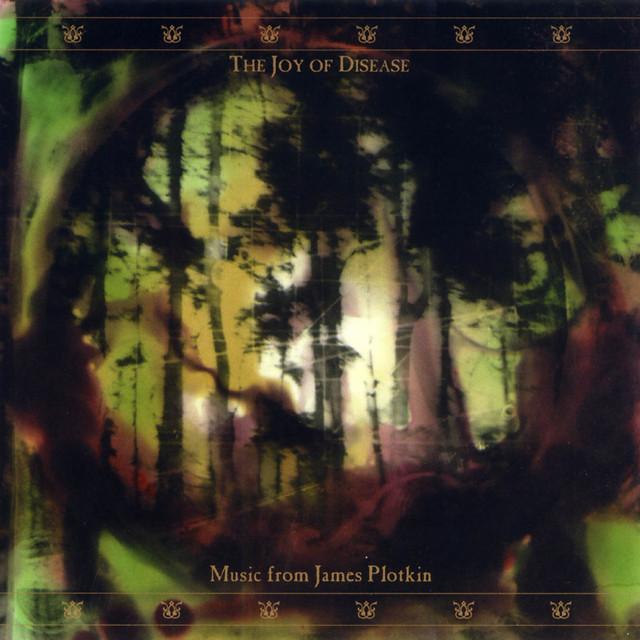
Following the success of his collaborations with Harris, Plotkin began collaborating with other artists. He collaborated with Kipp Johnson and Bill Yurkiewicz on releases as both Namanax and Solarus in the late '90s. He worked again with Collins, who contributed both lyrics and vocals to Plotkin's first solo full-length, The Joy of Disease (Avant 1998). Later that same year he began recording albums for the Kranky label, beginning with a collaboration between himself and Mark Spybey, A Peripheral Blur, followed by a collaboration with Brent Gutzeit, Mosquito Dream (1999).
In the early 2000s, Plotkin began a series of new collaborations. He reunited with former bandmate Alan Dubin (former Old vocalist) in the group Shadowcast, which is an experimental doom/sludge group also featuring Jason Corley (former 16 drummer). This collaboration led to Khanate, a group led by Stephen O'Malley (former Burning Witch guitarist) that also featured Dubin on vocals, in addition to Tim Wyskida on drums and Plotkin on bass. Other collaborations include Atomsmasher, a sort of electronic grindcore project also featuring DJ Speedranch and Dave Witte, and the Trifid Project, a collaboration with Celluloid Mata. ~ Jason Birchmeier, Rovi
Viberate is a music analytics platform built for A&Rs, artist managers, labels, booking agents, marketers, and artists.
It helps music professionals track artist growth, analyze audience data, monitor playlist activity, compare artists, follow song performance, and identify opportunities across the music market.
Public artist pages provide a free preview of selected artist data. Paid plans provide access to deeper analytics, historical data, charts, comparisons, playlist tools, exports, alerts, reports, and additional professional features.
Yes. Public Viberate artist pages provide selected artist analytics and music data for free.
Viberate also offers a 7-day free trial of the full platform. A credit card is required to start the trial. The trial includes access to the complete product so users can test deeper artist analytics, historical views, playlist insights, comparisons, charts, exports, alerts, and reporting features before choosing a paid plan.
Viberate provides artist analytics across streaming, playlists, social media, video, radio airplay, songs, and audience markets.
Users can analyze Spotify performance, Spotify and Apple Music playlists, YouTube activity, TikTok and Instagram growth, radio spins, song performance, audience locations, demographics, rankings, and overall artist momentum.
Artist profiles also connect to music charts, similar artists, and comparison tools, helping users benchmark performance and evaluate artists in context.
Viberate updates key artist and track data daily.
For followed artists and tracks, selected data is refreshed multiple times per day. This helps teams monitor playlist changes, streaming movement, audience growth, releases, and campaign performance with more current data.
Update frequency can vary depending on the metric and data source.
Yes. Viberate lets users compare up to five artists side by side across streaming, social media, audience, and engagement metrics.
Users can compare fanbase growth, audience demographics, locations, Spotify performance, social metrics, and other artist data over selected time periods.
Artist comparison can be used for A&R scouting, benchmarking, booking decisions, campaign planning, and evaluating artists with similar audiences or market positions.