Evil Superstars

Rock
Alternative Rock
Indie Pop
 Viberate Rank: 443872
 Viberate Rank: 443872
 Monthly ListenersFollowers
 Subscribers
 Followers
 Followers
 FansTop Spotify Songs
| Track | 7-Day Streams | |
|---|---|---|
1 | 654 | |
2 | 363 | |
3 | 171 | |
4 | 82 | |
5 | 47 |
Top YouTube VideosMonthly ListenersFeatured in Playlists| Playlist | Followers | |
|---|---|---|
1 | Best of 80s, 70s, 60s, 90s, 00s, 2010s Arthur Cnudde | 25.72K |
2 |  Belgian Classics 🇧🇪 Mathias Daelman | 12.68K |
3 |  Lock, Stock and Two Smoking Barrels (Motion Picture Soundtrack) JCampolina | 10.85K |
4 |  Duyster (all tracks ever played) Wike | 8.15K |
5 | Guy Ritchie Movie Soundtracks lukaszmazurek | 4.64K |
Audience| City | Monthly Listeners | |
|---|---|---|
1 | | 312 |
2 | | 252 |
3 | | 211 |
4 | | 59 |
5 | | 56 |
See full performance history, audience data, playlist activity, rankings, comparisons, and more in Viberate music analytics. Start with a free trial, then continue with a paid plan.
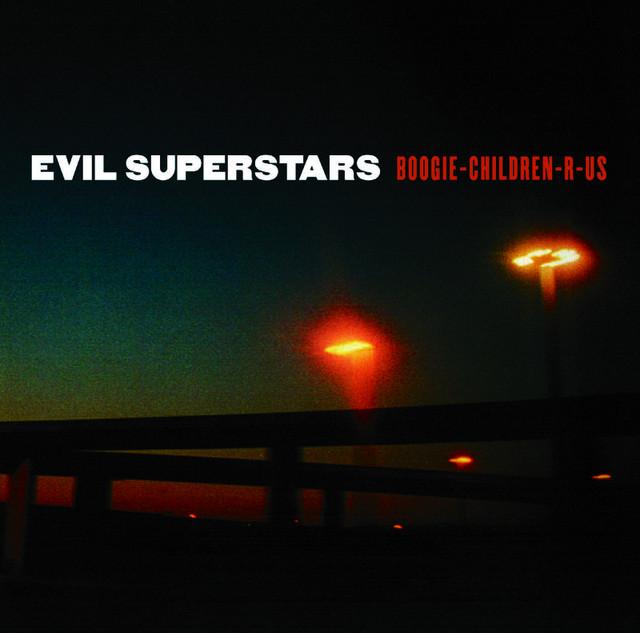
Evil Superstars’ Spotify BioBelgium’s Evil Superstars, who comprise Mauro Pawlowski (vocals, guitar), Dave Schroyen (drums), Marc Requile (keyboards), Bart Vandebroek (bass) and Tim Vanhamel (guitar), became one of a number of mainland European groups alongside Whale, Bettie Serveert and the Cardigans to procure UK and US audiences in the mid-90s. They recorded their debut EP, Hairfacts, in 1995, before touring with Placebo and achieving notoriety for their ‘Satan Is In My Ass’ single. Encompassing several traditions of music such as jazz, reggae and hard rock, the impression of eclecticism was confirmed by the 1996 release of Love Is Okay, which shaped these diverse influences into pop songs of genuine merit and accessibility. Boogie-Children-R-Us repeated the formula to lesser effect.
Viberate is a music analytics platform built for A&Rs, artist managers, labels, booking agents, marketers, and artists.
It helps music professionals track artist growth, analyze audience data, monitor playlist activity, compare artists, follow song performance, and identify opportunities across the music market.
Public artist pages provide a free preview of selected artist data. Paid plans provide access to deeper analytics, historical data, charts, comparisons, playlist tools, exports, alerts, reports, and additional professional features.
Yes. Public Viberate artist pages provide selected artist analytics and music data for free.
Viberate also offers a 7-day free trial of the full platform. A credit card is required to start the trial. The trial includes access to the complete product so users can test deeper artist analytics, historical views, playlist insights, comparisons, charts, exports, alerts, and reporting features before choosing a paid plan.
Viberate provides artist analytics across streaming, playlists, social media, video, radio airplay, songs, and audience markets.
Users can analyze Spotify performance, Spotify and Apple Music playlists, YouTube activity, TikTok and Instagram growth, radio spins, song performance, audience locations, demographics, rankings, and overall artist momentum.
Artist profiles also connect to music charts, similar artists, and comparison tools, helping users benchmark performance and evaluate artists in context.
Viberate updates key artist and track data daily.
For followed artists and tracks, selected data is refreshed multiple times per day. This helps teams monitor playlist changes, streaming movement, audience growth, releases, and campaign performance with more current data.
Update frequency can vary depending on the metric and data source.
Yes. Viberate lets users compare up to five artists side by side across streaming, social media, audience, and engagement metrics.
Users can compare fanbase growth, audience demographics, locations, Spotify performance, social metrics, and other artist data over selected time periods.
Artist comparison can be used for A&R scouting, benchmarking, booking decisions, campaign planning, and evaluating artists with similar audiences or market positions.