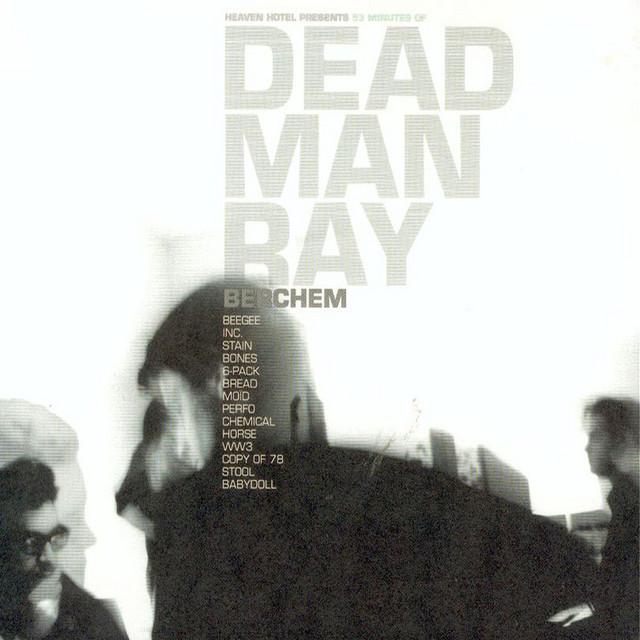
Dead Man Ray

Rock
Indie Rock
Indie Pop
 Viberate Rank: 340171
 Viberate Rank: 340171
 Monthly ListenersFollowers
 Subscribers
 Followers
 Followers
 FansTop YouTube VideosMonthly ListenersFeatured in Playlists
| Playlist | Followers | |
|---|---|---|
1 | 160 bpm running Bruno Mortier | 14.49K |
2 |  Duyster (all tracks ever played) Wike | 8.15K |
3 | STEVE ALBINI Sorgesalmen | 5.87K |
4 | Stubru Was het nu 80, 90 of 2000 Johan De Kimpe | 3.58K |
5 |  Studio Brussel: duyster (all tracks ever played) Studio Brussel | 3.29K |
Audience| City | Monthly Listeners | |
|---|---|---|
1 | | 575 |
2 | | 482 |
3 | | 435 |
4 |  | 166 |
5 | | 113 |
See full performance history, audience data, playlist activity, rankings, comparisons, and more in Viberate music analytics. Start with a free trial, then continue with a paid plan.
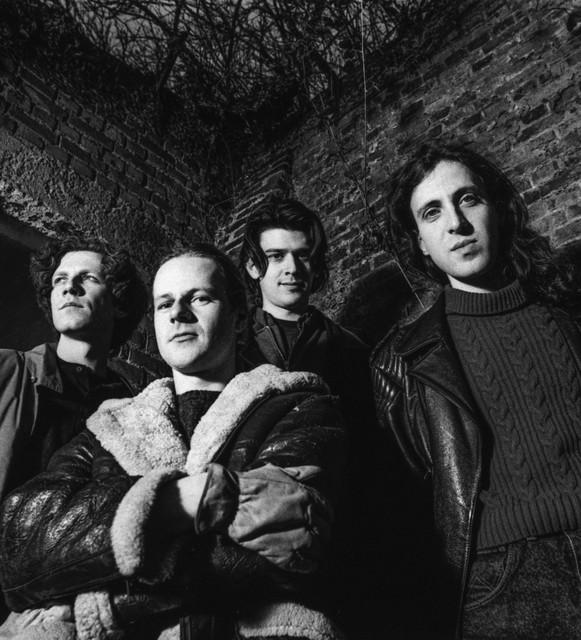
Dead Man Ray’s Spotify BioThe Belgium quintet Dead Man Ray possess an interesting and original style, that sounds like a cross between a barfly take of Jeff Buckley’s more contemplative moments and of a film noir soundtrack. Originating from the town of Antwerp, Dead Man Ray was formed during 1997 by Elko Blijweert (guitar, ex-Front 242), Daan Stuyven (guitar), Rudy Trouvé (guitar; ex-dEUS), and Herman Houbrechts (drums). The band released their self-produced 1998 debut, Bercherm, via Trouvé’s label, HeavenHotel. Wouter Van Belle (keyboards) was added to the line-up following his remixing work on ‘Copy Of 78’, adding new layers to the band’s sound on 2000’s Trap, that contained songs inspired by an old Belgian cult movie (starring actor Bobbejaan Schoeppen). Later the same year, a compilation of highlights from the first two Dead Man Ray releases was issued, under the title Bercherm Trap, which was supported by tours throughout Europe. During this period Houbrechts was replaced by Karel De Backer and, after the… release of the Marginal EP, Dead Man Ray briefly relocated to Chicago, Illinois, USA, to work with renowned alternative rock producer Steve Albini. The result was 2002’s Cago, a superb album recorded entirely live. In addition to their Dead Man Ray duties, most of the band’s members have issued albums with other outfits or as solo artists, and/or written soundtracks for motion pictures.
Viberate is a music analytics platform built for A&Rs, artist managers, labels, booking agents, marketers, and artists.
It helps music professionals track artist growth, analyze audience data, monitor playlist activity, compare artists, follow song performance, and identify opportunities across the music market.
Public artist pages provide a free preview of selected artist data. Paid plans provide access to deeper analytics, historical data, charts, comparisons, playlist tools, exports, alerts, reports, and additional professional features.
Yes. Public Viberate artist pages provide selected artist analytics and music data for free.
Viberate also offers a 7-day free trial of the full platform. A credit card is required to start the trial. The trial includes access to the complete product so users can test deeper artist analytics, historical views, playlist insights, comparisons, charts, exports, alerts, and reporting features before choosing a paid plan.
Viberate provides artist analytics across streaming, playlists, social media, video, radio airplay, songs, and audience markets.
Users can analyze Spotify performance, Spotify and Apple Music playlists, YouTube activity, TikTok and Instagram growth, radio spins, song performance, audience locations, demographics, rankings, and overall artist momentum.
Artist profiles also connect to music charts, similar artists, and comparison tools, helping users benchmark performance and evaluate artists in context.
Viberate updates key artist and track data daily.
For followed artists and tracks, selected data is refreshed multiple times per day. This helps teams monitor playlist changes, streaming movement, audience growth, releases, and campaign performance with more current data.
Update frequency can vary depending on the metric and data source.
Yes. Viberate lets users compare up to five artists side by side across streaming, social media, audience, and engagement metrics.
Users can compare fanbase growth, audience demographics, locations, Spotify performance, social metrics, and other artist data over selected time periods.
Artist comparison can be used for A&R scouting, benchmarking, booking decisions, campaign planning, and evaluating artists with similar audiences or market positions.