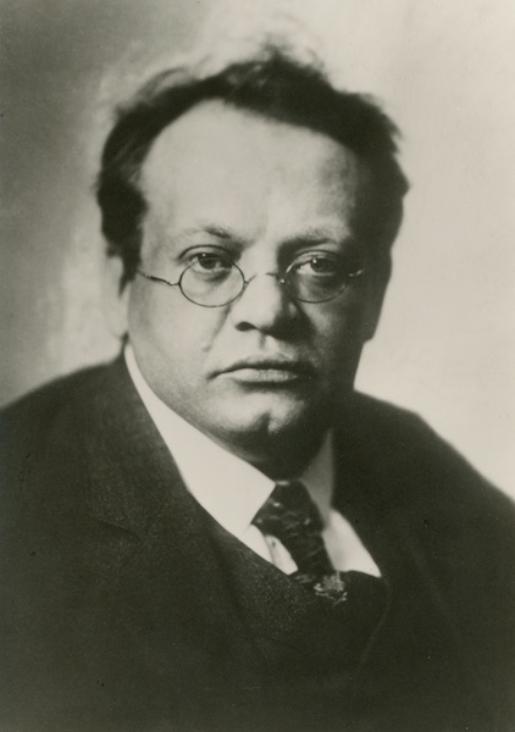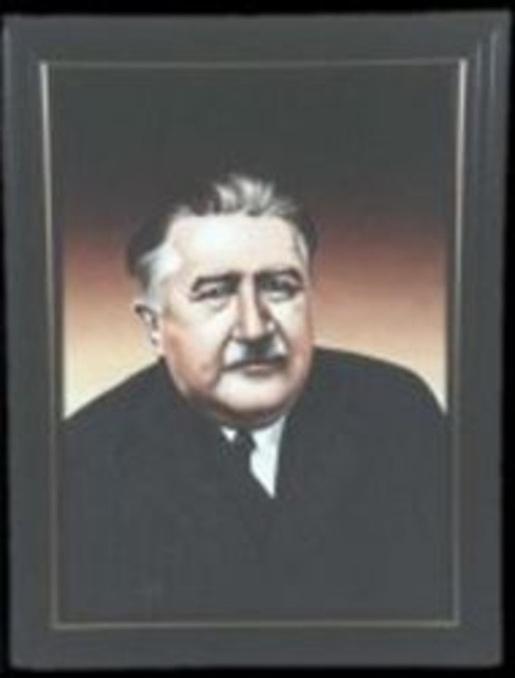
Eugene Goossens

Classical
Chamber Music
 Viberate Rank: 369185
 Viberate Rank: 369185
 Monthly ListenersFollowers
 Subscribers
 Followers
 Followers
 FansTop Spotify Songs
| Track | 7-Day Streams | |
|---|---|---|
1 | 3.15K | |
2 | 1.09K | |
3 | 1.08K | |
4 | 950 | |
5 | 616 |
Top YouTube VideosMonthly ListenersFeatured in Playlists| Playlist | Followers | |
|---|---|---|
1 | Classical & Symphony Orchestra Adriansyah Wijaya | 47.77K |
2 |  Oboe Solos I Like ❤️ Collin | 7.11K |
3 |  Share the Joy Bahram | 5.98K |
4 |  Chamber Music for Self-Renewal synergy555 | 4.21K |
5 |  Moonlighting (1985-1989): music from the TV series fryk-fryk | 3.61K |
Audience| City | Monthly Listeners | |
|---|---|---|
1 |  | 167 |
2 | | 158 |
3 | | 113 |
4 | | 94 |
5 | | 91 |
See full performance history, audience data, playlist activity, rankings, comparisons, and more in Viberate music analytics. Start with a free trial, then continue with a paid plan.
Eugene Goossens’ Spotify BioMost often remembered as a highly regarded conductor with substantial tenures as music director of both the Cincinnati and Sydney Symphony orchestras, Eugene Goossens was also an important composer of twentieth-century music. Had the achievements of his career not been overshadowed by an unfortunate scandal and fall from grace in his last years, his legacy would likely have been even more significant.
Born in London and of Belgian heritage, Goossens trained as a violinist at the Bruges Conservatory and the Liverpool College of Music. It was not until he attended the Royal College of Music that he began serious composition study, with Sir Charles Villiers Stanford. Among his first compositions from 1911-13 are the Variations on a Chinese Theme and the Octet (written for flute, clarinet, horn, harp, and strings). These works utilized an early style strongly reminiscent of the French impressionists Claude Debussy and Maurice Ravel, and drew strong praise from the elder statesmen of the… composition circle at that time, including Frederick Delius.
In order to support himself, Goossens followed in the footsteps of his father and grandfather, both of whom were conductors. He trained as the assistant conductor to Sir Thomas Beecham, and began to develop an impressive conducting career. In 1921, he gave many Londoners their first Stravinsky experience in the premiere UK performance of Le Sacre du Printemps.
In 1923, George Eastman (of Kodak fame) invited him to become the first music director of his newly formed Eastman-Rochester Philharmonic Orchestra. Following continued success there, he was offered the helm of the Cincinnati Symphony in 1931, where he was active in commissioning a number of new works, including Aaron Copland's masterpiece Fanfare for the Common Man (1942).
Although a composer of modest number, Goossens composed works in nearly every genre. His first significant orchestral work, Sinfonietta (1922), was championed by Arturo Toscanini. His most popular works include his Oboe Concerto from 1927 (written for his brother, Leon Goossens), two symphonies from 1940 and 1945, and two operas drawn on libretti by Arnold Bennett. These include the opera Judith (in which Joan Sutherland made her debut in 1951) and Don Juan de Mañara. With the exception of premieres and a few rare occasions, Goossens never had a strong inclination to conduct his own works.
It was in Sydney that Goossens would reach both the pinnacle of his career and the lowest depths of indignity. The Sydney Symphony Orchestra had been recently organized, and in 1947 Goossens was invited to become its first music director. Goossens was a visionary; although his dreams began small (the introduction of outdoor performances and increased visibility) they culminated with his groundbreaking idea and subsequent proposal for the Sydney Opera House. His many efforts were finally rewarded when he was knighted in 1955.
A 1957 scandal with artist Rosaleen Norton severely affected Goosens and destroyed his Australian career. Forced to resign from his conducting posts, Gossens returned to England. His chronically ill health and a congenital heart defect contributed to a long period of illness following the scandal. Sketches for a ballet and third opera were left unfinished at his death in 1962. He is the author of Overture and Beginners: A Musical Autobiography.
Viberate is a music analytics platform built for A&Rs, artist managers, labels, booking agents, marketers, and artists.
It helps music professionals track artist growth, analyze audience data, monitor playlist activity, compare artists, follow song performance, and identify opportunities across the music market.
Public artist pages provide a free preview of selected artist data. Paid plans provide access to deeper analytics, historical data, charts, comparisons, playlist tools, exports, alerts, reports, and additional professional features.
Yes. Public Viberate artist pages provide selected artist analytics and music data for free.
Viberate also offers a 7-day free trial of the full platform. A credit card is required to start the trial. The trial includes access to the complete product so users can test deeper artist analytics, historical views, playlist insights, comparisons, charts, exports, alerts, and reporting features before choosing a paid plan.
Viberate provides artist analytics across streaming, playlists, social media, video, radio airplay, songs, and audience markets.
Users can analyze Spotify performance, Spotify and Apple Music playlists, YouTube activity, TikTok and Instagram growth, radio spins, song performance, audience locations, demographics, rankings, and overall artist momentum.
Artist profiles also connect to music charts, similar artists, and comparison tools, helping users benchmark performance and evaluate artists in context.
Viberate updates key artist and track data daily.
For followed artists and tracks, selected data is refreshed multiple times per day. This helps teams monitor playlist changes, streaming movement, audience growth, releases, and campaign performance with more current data.
Update frequency can vary depending on the metric and data source.
Yes. Viberate lets users compare up to five artists side by side across streaming, social media, audience, and engagement metrics.
Users can compare fanbase growth, audience demographics, locations, Spotify performance, social metrics, and other artist data over selected time periods.
Artist comparison can be used for A&R scouting, benchmarking, booking decisions, campaign planning, and evaluating artists with similar audiences or market positions.