Enchant

Rock
Hard Rock
Progressive Rock
 Viberate Rank: 247570
 Viberate Rank: 247570
 Monthly ListenersFollowers
 Subscribers
 Followers
 Followers
 FansTop Spotify Songs
| Track | 7-Day Streams | |
|---|---|---|
1 | 188 | |
2 | 182 | |
3 | 156 | |
4 | 130 | |
5 | 124 |
Top YouTube VideosMonthly ListenersFeatured in Playlists| Playlist | Followers | |
|---|---|---|
1 | Metal🤘🏻 Naydil González | 16.46K |
2 | Jazz Fusion, Progressive Rock, & Jam Bands Curator Seedpicker | 7.16K |
3 | Melodic-Progressive-Metal genus amoris | 4.06K |
4 |  The Sound of Progressive Rock The Sounds of Spotify | 3.64K |
5 |  The Sound of Progressive Metal The Sounds of Spotify | 3.19K |
Audience| City | Monthly Listeners | |
|---|---|---|
1 |  | 61 |
2 |  | 55 |
3 |  | 35 |
4 | | 30 |
5 |  | 23 |
See full performance history, audience data, playlist activity, rankings, comparisons, and more in Viberate music analytics. Start with a free trial, then continue with a paid plan.
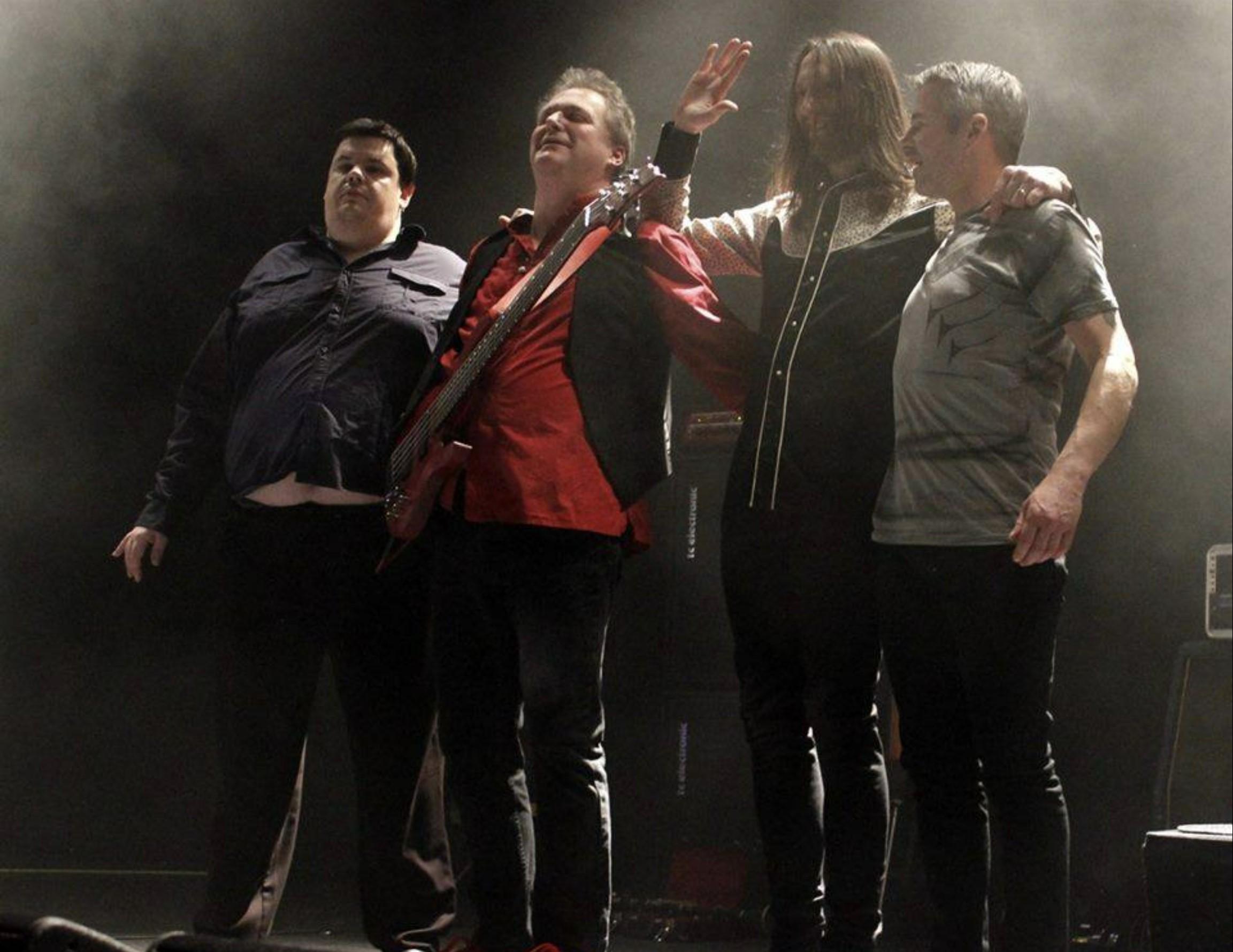
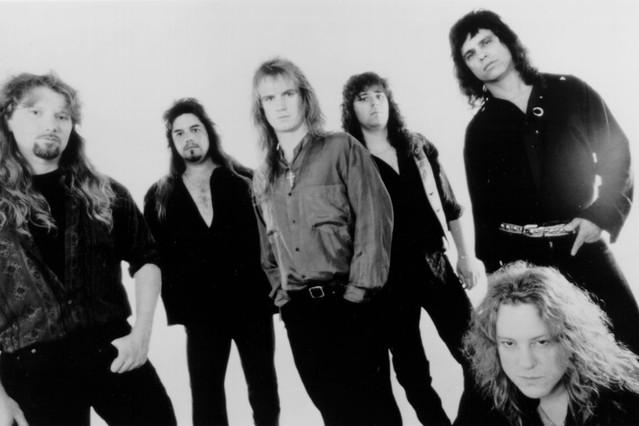
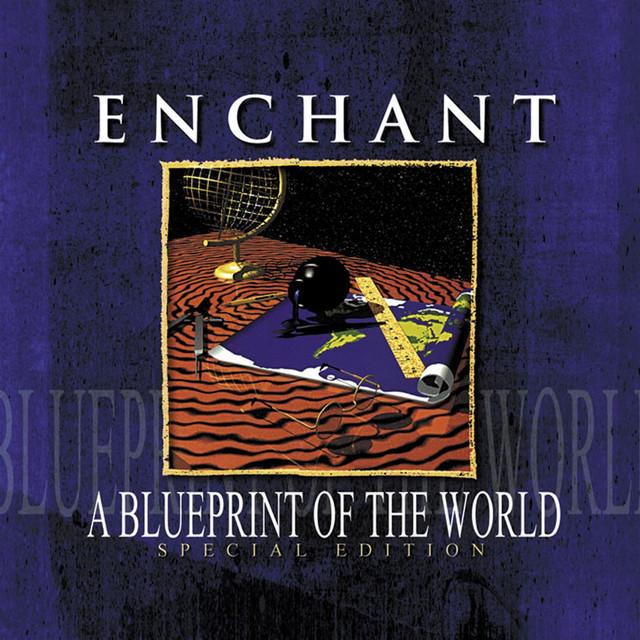
Enchant’s Spotify BioThe origins of San Francisco neo-prog band Enchant date back to 1989 when Doug Ott (guitar and vocals), Michael "Benignus" Geimer (keys), and Paul Craddick (drums) first came together. Over time the group created several demos while filling out their lineup. They added Ed Platt (bass) and Ted Leonard (vocals) to do just that. Such was the grouping that recorded the debut album A Blueprint of the World in 1993. Two years later, the band released Wounded. They followed that one up in 1997 with Time Lost. 1998 saw the album Break hitting the stores, followed by 2000's Juggling 9 or Dropping 10. Geimer and Craddick left the band soon after, and were replaced by Sean Flanegan and Bill Jenkins. In 2002, the group returned with a more song-oriented approach on Blink of an Eye. One more studio album (Tug of War) and a live album (Live at Last) followed before an extended hiatus for the band, which was finally broken in 2012 with tour dates and a comeback album, The Great Divide, in 2014. ~… Gary Hill, Rovi
Viberate is a music analytics platform built for A&Rs, artist managers, labels, booking agents, marketers, and artists.
It helps music professionals track artist growth, analyze audience data, monitor playlist activity, compare artists, follow song performance, and identify opportunities across the music market.
Public artist pages provide a free preview of selected artist data. Paid plans provide access to deeper analytics, historical data, charts, comparisons, playlist tools, exports, alerts, reports, and additional professional features.
Yes. Public Viberate artist pages provide selected artist analytics and music data for free.
Viberate also offers a 7-day free trial of the full platform. A credit card is required to start the trial. The trial includes access to the complete product so users can test deeper artist analytics, historical views, playlist insights, comparisons, charts, exports, alerts, and reporting features before choosing a paid plan.
Viberate provides artist analytics across streaming, playlists, social media, video, radio airplay, songs, and audience markets.
Users can analyze Spotify performance, Spotify and Apple Music playlists, YouTube activity, TikTok and Instagram growth, radio spins, song performance, audience locations, demographics, rankings, and overall artist momentum.
Artist profiles also connect to music charts, similar artists, and comparison tools, helping users benchmark performance and evaluate artists in context.
Viberate updates key artist and track data daily.
For followed artists and tracks, selected data is refreshed multiple times per day. This helps teams monitor playlist changes, streaming movement, audience growth, releases, and campaign performance with more current data.
Update frequency can vary depending on the metric and data source.
Yes. Viberate lets users compare up to five artists side by side across streaming, social media, audience, and engagement metrics.
Users can compare fanbase growth, audience demographics, locations, Spotify performance, social metrics, and other artist data over selected time periods.
Artist comparison can be used for A&R scouting, benchmarking, booking decisions, campaign planning, and evaluating artists with similar audiences or market positions.