Empyrium

Metal
Folk Metal
Alternative Rock
 Viberate Rank: 108982
 Viberate Rank: 108982
 Monthly ListenersFollowers
 Subscribers
 Followers
 Followers
 FansTop Spotify Songs
| Track | 7-Day Streams | |
|---|---|---|
1 | 7.31K | |
2 | 5.59K | |
3 | 2.75K | |
4 | 2.65K | |
5 | 2.34K |
Top YouTube VideosMonthly ListenersFeatured in Playlists| Playlist | Followers | |
|---|---|---|
1 | sad metal songs. Sebastian Finta | 78.46K |
2 | Doom Metal Holger Ihrig | 60.08K |
3 |  Healing with Nature | Mild Ambient Instrumentals Sinusoidal Music | 28.69K |
4 |  sözsüz sakin uyumalık azra acar | 23.70K |
5 |  Metal Instrumentals Samidhya Sarker Torsho | 18.16K |
Audience| City | Monthly Listeners | |
|---|---|---|
1 |  | 4.63K |
2 | | 2.38K |
3 | | 1.18K |
4 |  | 739 |
5 | | 663 |
See full performance history, audience data, playlist activity, rankings, comparisons, and more in Viberate music analytics. Start with a free trial, then continue with a paid plan.
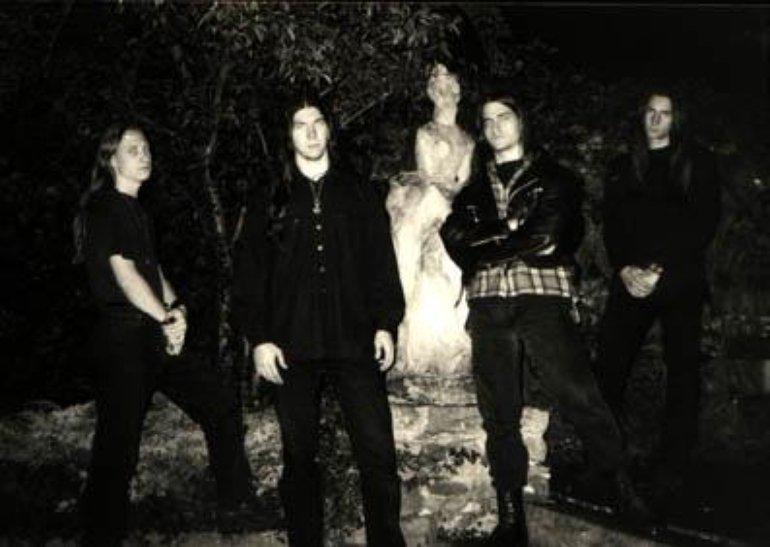
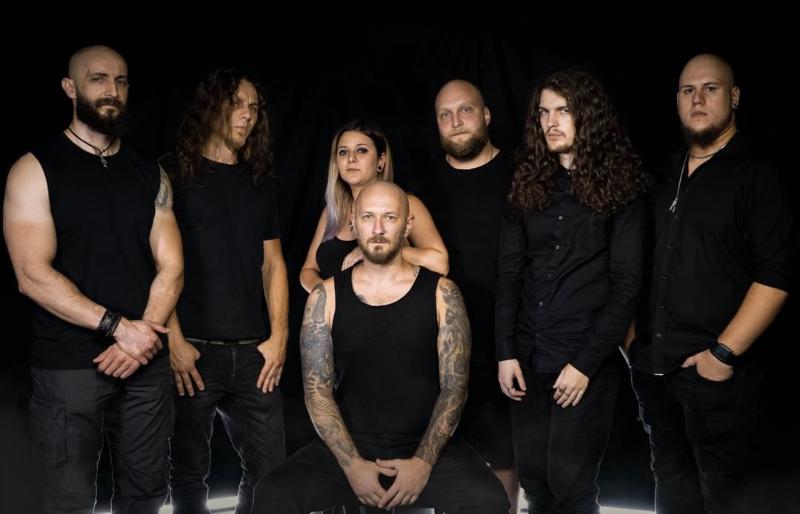
Empyrium’s Spotify BioAn atmosphere-heavy German folk/doom metal project founded in 1994 by Markus Stock (who operates under the pseudonym Ulf Theodor Schwadorf), Empyrium has dabbled in multiple idioms of the genre, from symphonic death metal to mystical, nature-driven neo-folk. Debuting in 1996 with the dark and bucolic Wintersunset, the band adopted a heavier, though no less melancholic approach on subsequent efforts like Turn of the Tides (2014) and Über den Sternen (2021).
Empyrium's first two studio albums, Wintersunset (1996) and Songs of Moors and Misty Fields (1997), were issued via German dark metal label Prophecy Productions -- the latter LP was the then-fledgling label's very first release -- and leaned heavier on the neo-folk/symphonic metal end of the spectrum. Arriving in 1999, Where at Night the Wood Grouse Plays saw the group going largely acoustic, as did 2002's ambitious Weiland, a German-language concept album -- all of their previous releases had been sung in English. Shortly after the… latter's release, Empyrium went on hiatus, though they did release a career overview, Retrospective, in 2006, that featured remastered tracks as well as two new cuts and a re-recording of a song from their debut. In 2010 Prophecy announced that Empyrium was set to return to the studio. The resulting Turn of the Tides, which paired the spectral folk of earlier releases with a heavier, more doom-laden style, was issued in 2014, their first new studio album in 12 years. Into the Pantheon, a concert LP recorded in 2011 at the Wave Gotik Treffen in the Pantheon of Volkspalast Leipzig, Germany, was released in 2017, and in 2021 the band issued the full-length Über den Sternen (2021). ~ James Christopher Monger, Rovi
Viberate is a music analytics platform built for A&Rs, artist managers, labels, booking agents, marketers, and artists.
It helps music professionals track artist growth, analyze audience data, monitor playlist activity, compare artists, follow song performance, and identify opportunities across the music market.
Public artist pages provide a free preview of selected artist data. Paid plans provide access to deeper analytics, historical data, charts, comparisons, playlist tools, exports, alerts, reports, and additional professional features.
Yes. Public Viberate artist pages provide selected artist analytics and music data for free.
Viberate also offers a 7-day free trial of the full platform. A credit card is required to start the trial. The trial includes access to the complete product so users can test deeper artist analytics, historical views, playlist insights, comparisons, charts, exports, alerts, and reporting features before choosing a paid plan.
Viberate provides artist analytics across streaming, playlists, social media, video, radio airplay, songs, and audience markets.
Users can analyze Spotify performance, Spotify and Apple Music playlists, YouTube activity, TikTok and Instagram growth, radio spins, song performance, audience locations, demographics, rankings, and overall artist momentum.
Artist profiles also connect to music charts, similar artists, and comparison tools, helping users benchmark performance and evaluate artists in context.
Viberate updates key artist and track data daily.
For followed artists and tracks, selected data is refreshed multiple times per day. This helps teams monitor playlist changes, streaming movement, audience growth, releases, and campaign performance with more current data.
Update frequency can vary depending on the metric and data source.
Yes. Viberate lets users compare up to five artists side by side across streaming, social media, audience, and engagement metrics.
Users can compare fanbase growth, audience demographics, locations, Spotify performance, social metrics, and other artist data over selected time periods.
Artist comparison can be used for A&R scouting, benchmarking, booking decisions, campaign planning, and evaluating artists with similar audiences or market positions.