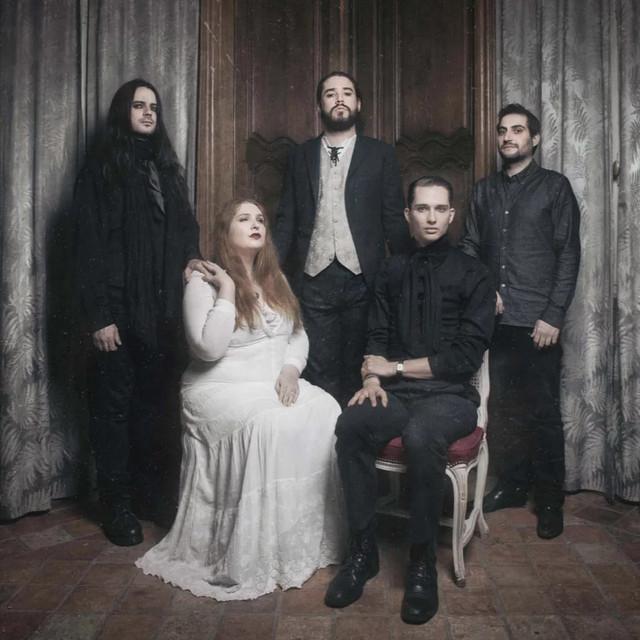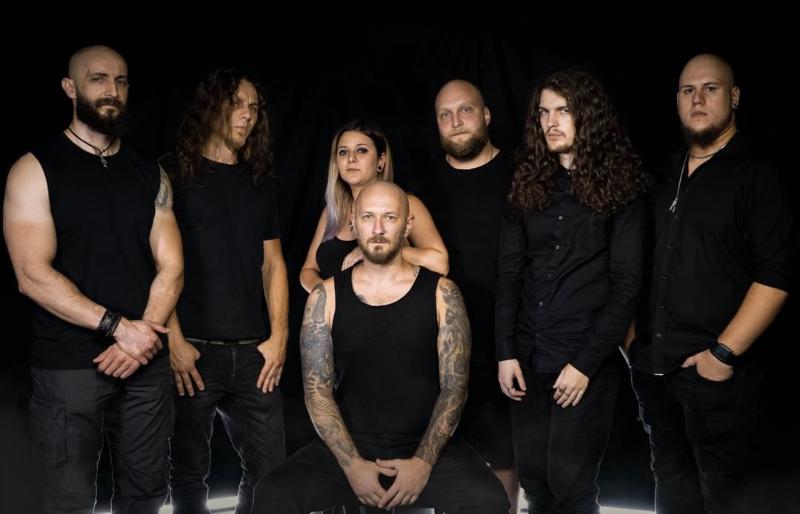
Virgin Black

Metal
Doom/Sludge Metal
Gothic Metal
 Viberate Rank: 157446
 Viberate Rank: 157446
 Monthly ListenersFollowers
 Subscribers
 Followers
 Followers
 FansTop Spotify Songs
| Track | 7-Day Streams | |
|---|---|---|
1 | 3.92K | |
2 | 2.27K | |
3 | 616 | |
4 | 611 | |
5 | 536 |
Top YouTube VideosMonthly ListenersFeatured in Playlists| Playlist | Followers | |
|---|---|---|
1 |  gothic metal Paula | 41.29K |
2 |  gothic metal & symphonic metal 🥀 lesfleursdumal | 12.47K |
3 |  Behelit YUJI | 6.98K |
4 |  GENREPHOBIC blustre | 6.81K |
5 |  🩸 𝔙𝔞𝔪𝔭𝔦𝔯𝔢𝔰 ℜ𝔬𝔬𝔪🩸 𝐴𝔯𝔞𝔟𝔢𝔩𝔩𝔞 | 6.78K |
Audience| City | Monthly Listeners | |
|---|---|---|
1 |  | 1.51K |
2 | | 851 |
3 | | 419 |
4 |  | 237 |
5 | | 230 |
See full performance history, audience data, playlist activity, rankings, comparisons, and more in Viberate music analytics. Start with a free trial, then continue with a paid plan.
Virgin Black’s Spotify BioObserving Virgin Black in our current-day musical climate reveals an entity that endures as uniquely intrepid. Rewind to the 1990s, and that uniqueness becomes blindingly apparent amid the vastly more rigid cultural and musical standards of the time.
The history of Virgin Black dates back to 1993 when guitarist Sesca Scaarba begun piecing together music that would both go on to form the early works of the band, and also inspire the ever ambitious and ground-breaking project that it became. By the release of 1995's self-titled demo cassette there had been the crucial addition of fellow-composer, singer, and counterpart to the iconic duo, Rowan London. The demo laid a foundation of rich doom complimented by mournfully stirring guitar and vocal melodies. The band's debut album, Sombre Romantic, was fashioned without a fleeting glance at what the long-established genres it engaged would have expected of it. An incredibly ambitious work, it thrust together doom, classical, opera, gothic and… industrial elements in a way that somehow still allowed for a seamless stream of signature, cohesive darkness. Over two decades later, and now with five studio albums complete, the path is clear to look toward to future prospects while concurrently reflecting on a band and a catalogue that has long-defied the constraints that so often inhibit artists.
Viberate is a music analytics platform built for A&Rs, artist managers, labels, booking agents, marketers, and artists.
It helps music professionals track artist growth, analyze audience data, monitor playlist activity, compare artists, follow song performance, and identify opportunities across the music market.
Public artist pages provide a free preview of selected artist data. Paid plans provide access to deeper analytics, historical data, charts, comparisons, playlist tools, exports, alerts, reports, and additional professional features.
Yes. Public Viberate artist pages provide selected artist analytics and music data for free.
Viberate also offers a 7-day free trial of the full platform. A credit card is required to start the trial. The trial includes access to the complete product so users can test deeper artist analytics, historical views, playlist insights, comparisons, charts, exports, alerts, and reporting features before choosing a paid plan.
Viberate provides artist analytics across streaming, playlists, social media, video, radio airplay, songs, and audience markets.
Users can analyze Spotify performance, Spotify and Apple Music playlists, YouTube activity, TikTok and Instagram growth, radio spins, song performance, audience locations, demographics, rankings, and overall artist momentum.
Artist profiles also connect to music charts, similar artists, and comparison tools, helping users benchmark performance and evaluate artists in context.
Viberate updates key artist and track data daily.
For followed artists and tracks, selected data is refreshed multiple times per day. This helps teams monitor playlist changes, streaming movement, audience growth, releases, and campaign performance with more current data.
Update frequency can vary depending on the metric and data source.
Yes. Viberate lets users compare up to five artists side by side across streaming, social media, audience, and engagement metrics.
Users can compare fanbase growth, audience demographics, locations, Spotify performance, social metrics, and other artist data over selected time periods.
Artist comparison can be used for A&R scouting, benchmarking, booking decisions, campaign planning, and evaluating artists with similar audiences or market positions.