Emma Kirkby

Classical
Opera
Chamber Music
 Viberate Rank: 161864
 Viberate Rank: 161864
 Monthly ListenersFollowers
 Subscribers
 Followers
 Followers
 FansTop Spotify Songs
| Track | 7-Day Streams | |
|---|---|---|
1 | 26.40K | |
2 | 9.55K | |
3 | 4.06K | |
4 | 2.64K | |
5 | 1.43K |
Top YouTube Videos| Video | 7-Day Views | |
|---|---|---|
1 | 142 | |
2 | 108 | |
3 | 67 | |
4 | 45 | |
5 | 12 |
Monthly ListenersFeatured in Playlists| Playlist | Followers | |
|---|---|---|
1 |  Best Classical Music Peaceful Classics | 857.62K |
2 |  This Is Bach Spotify | 720.77K |
3 |  This Is Vivaldi Spotify | 477.38K |
4 |  Selton Mello FM Selton Mello | 60.63K |
5 | Classical & Symphony Orchestra Adriansyah Wijaya | 47.77K |
Audience| City | Monthly Listeners | |
|---|---|---|
1 |  | 2.68K |
2 | | 2.50K |
3 |  | 2.19K |
4 |  | 1.72K |
5 |  | 1.65K |
See full performance history, audience data, playlist activity, rankings, comparisons, and more in Viberate music analytics. Start with a free trial, then continue with a paid plan.
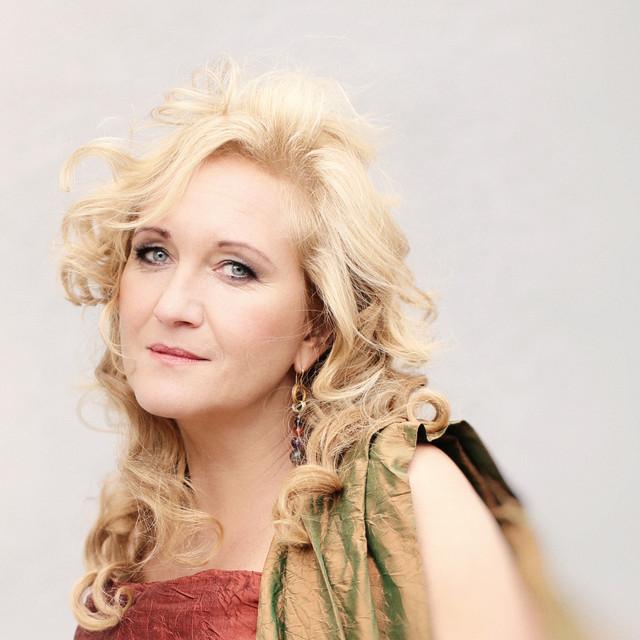
Emma Kirkby’s Spotify BioWhen English soprano Emma Kirkby began her professional career in the mid-'70s, period performance practice was just beginning to make its way into the realm of vocal music. Kirkby, mentored by Jessica Cash, became a pioneer of period practice for Renaissance and Baroque vocal soloists. She studied classical literature at Oxford and took vocal lessons, but did not plan on becoming a singer. She joined the Taverner Choir in 1971, and a couple of years later, she began a long-lasting collaboration with the Consort of Musicke. She made her 1974 concert debut in London and her first tour of the United States in 1978. Tours to all of the major music capitals of the world have followed. Especially noteworthy was a tour of the Arabian states with lutenist Anthony Rooley, to whom she is married. In her collaborations with groups like those already mentioned, and others -- such as the Academy of Ancient Music, London Baroque, Fretwork, L'Orfeo, and the Purcell Quartet -- she increased the… public awareness of correct Baroque performance practice while carefully avoiding pedantry. She brings a great deal of drama and musicianship to her performances. Besides the lute songs of the Renaissance era, Kirkby is well known for her performances of the cantatas and passions of Bach and the choral music of Monteverdi. Her voice is a very light, lyric soprano of unusual sweetness. She has excellent control of the voice and is able to sing without any vibrato, a quality that many practitioners of early music prefer.
Her hundreds of recordings give an excellent view of the range of her repertoire, at times even expanding on it, since she has recorded several operas that she has not sung on-stage, including Purcell's Dido and Aeneas, Monteverdi's Orfeo, Handel's Orlando, and Hasse's Cleofide. Once in a while, she'll try something unexpected, such as the songs of Amy Beach or cantatas by little-known Baroque composers. Her early recordings were part of the Florilegium series from Decca. Since then she's recorded on Hyperion, Carus, CPO, Harmonia Mundi, BIS, and other labels. Kirkby was made a Dame of the British Empire in 2007.
Viberate is a music analytics platform built for A&Rs, artist managers, labels, booking agents, marketers, and artists.
It helps music professionals track artist growth, analyze audience data, monitor playlist activity, compare artists, follow song performance, and identify opportunities across the music market.
Public artist pages provide a free preview of selected artist data. Paid plans provide access to deeper analytics, historical data, charts, comparisons, playlist tools, exports, alerts, reports, and additional professional features.
Yes. Public Viberate artist pages provide selected artist analytics and music data for free.
Viberate also offers a 7-day free trial of the full platform. A credit card is required to start the trial. The trial includes access to the complete product so users can test deeper artist analytics, historical views, playlist insights, comparisons, charts, exports, alerts, and reporting features before choosing a paid plan.
Viberate provides artist analytics across streaming, playlists, social media, video, radio airplay, songs, and audience markets.
Users can analyze Spotify performance, Spotify and Apple Music playlists, YouTube activity, TikTok and Instagram growth, radio spins, song performance, audience locations, demographics, rankings, and overall artist momentum.
Artist profiles also connect to music charts, similar artists, and comparison tools, helping users benchmark performance and evaluate artists in context.
Viberate updates key artist and track data daily.
For followed artists and tracks, selected data is refreshed multiple times per day. This helps teams monitor playlist changes, streaming movement, audience growth, releases, and campaign performance with more current data.
Update frequency can vary depending on the metric and data source.
Yes. Viberate lets users compare up to five artists side by side across streaming, social media, audience, and engagement metrics.
Users can compare fanbase growth, audience demographics, locations, Spotify performance, social metrics, and other artist data over selected time periods.
Artist comparison can be used for A&R scouting, benchmarking, booking decisions, campaign planning, and evaluating artists with similar audiences or market positions.