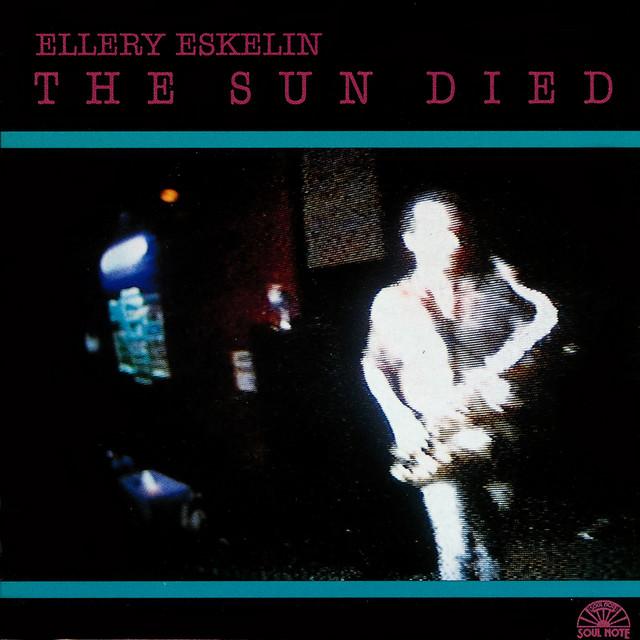
Ellery Eskelin

Jazz
Free Jazz
 Viberate Rank: 512193
 Viberate Rank: 512193
 Monthly ListenersFollowers
 Subscribers
 Followers
 Followers
 FansTop Spotify Songs
| Track | 7-Day Streams | |
|---|---|---|
1 | 51 | |
2 | 49 | |
3 | 21 | |
4 | 21 | |
5 | 18 |
Top YouTube VideosMonthly ListenersFeatured in Playlists| Playlist | Followers | |
|---|---|---|
1 |  Avant-Jazz Spotify | 70.76K |
2 |  The Sound of Free Jazz The Sounds of Spotify | 10.46K |
3 |  The Jazz Clarinet Adam Price | 10.18K |
4 |  The Sound of Avant-Garde Jazz The Sounds of Spotify | 4.05K |
5 |  DJ Harvey's Record Box Kevin R Conger | 3.78K |
Audience| City | Monthly Listeners | |
|---|---|---|
1 | | 8 |
2 |  | 7 |
3 | | 6 |
4 |  | 6 |
5 |  | 6 |
See full performance history, audience data, playlist activity, rankings, comparisons, and more in Viberate music analytics. Start with a free trial, then continue with a paid plan.
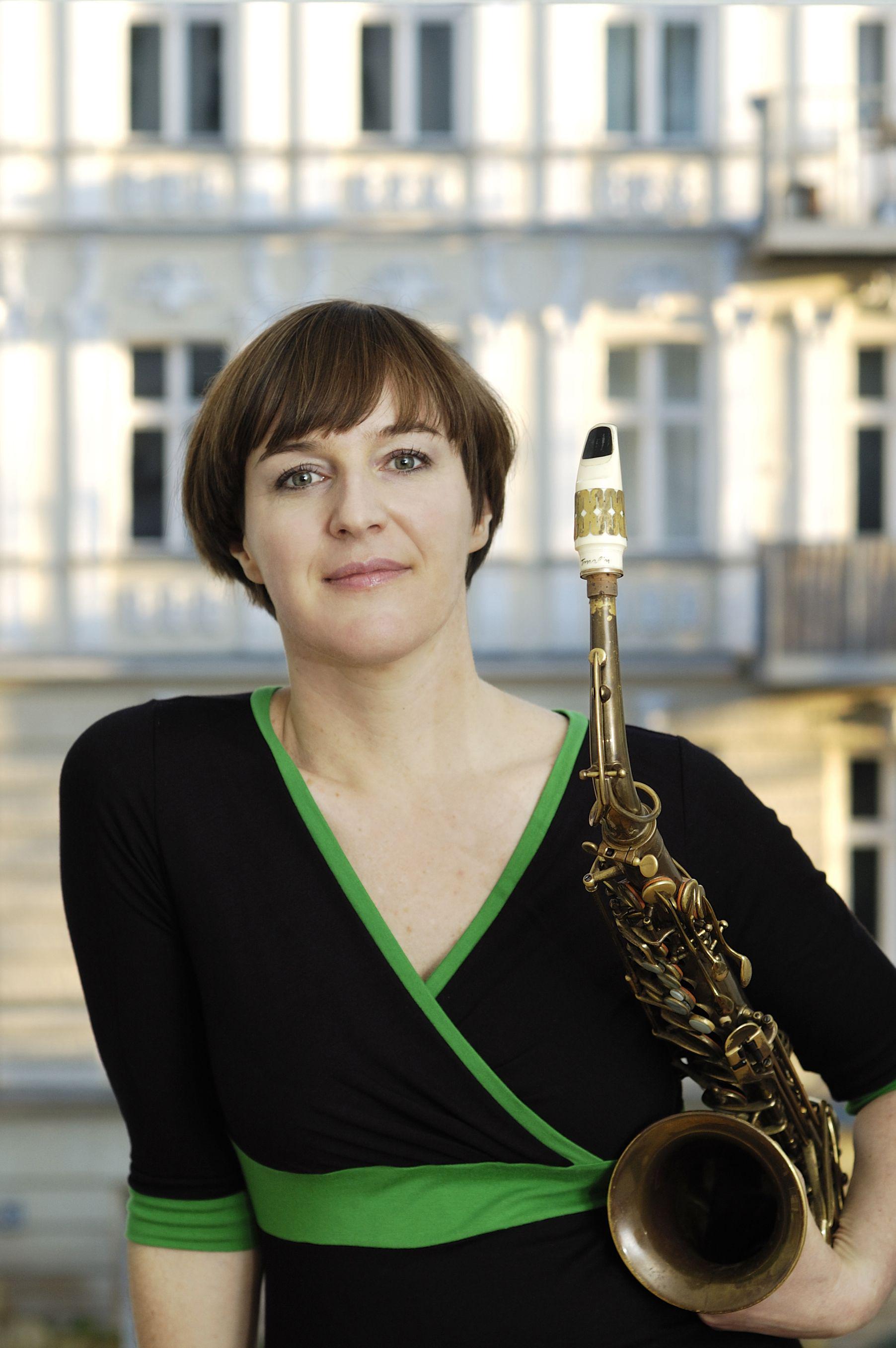
Ellery Eskelin’s Spotify BioAn adept tenor saxophonist with a strongly individualistic approach to modern creative jazz, Ellery Eskelin combines edgy harmonies with boldly idiosyncratic phrasing and a lyrical warmth. It's a sound that draws upon the romanticism of Dexter Gordon and the wildly adventurous free jazz of Ornette Coleman, as well as the modern motivic sensibilities of David Liebman, the latter of whom Eskelin studied with. Closely associated with the New York Knitting Factory scene, Eskelin initially garnered attention in the '80s playing with organist Jack McDuff before establishing himself as a leader. On his own, he has released a bevy of adventurous and textural albums, including 1990's Forms and 2006's Quiet Music. He has also worked regularly in a trio with Andrea Parkins and Jim Black, issuing albums like 1998's Kulak, 29 & 30, and 2003's Arcanum Moderne. Along with albums with Drew Gress, Mark Dresser, Erik Friedlander, and others, Eskelin has continued to seek out interesting projects,… collaborating with saxophonist Liebman for 2012's Non Sequiturs, and playing in a trio with bassist Christian Weber and drummer Michael Griener for 2017's Sensations of Tone and 2019's Pearls.
Born in 1959 in Wichita, Kansas, Eskelin grew up in Baltimore, Maryland with his mother Bobbie Lee, a Hammond B-3 organist who led her own jazz groups during the '60s. His father, whom he never met, was cult song poem musician Rodd Keith. Eskelin began playing the tenor saxophone when he was ten years old and soon after began learning how to play jazz. By the time he was in high school, he was already playing professionally, buoyed by week-long summer jazz camps led by Stan Kenton & His Orchestra that he attended annually at Towson State University. After high school, he also studied at Towson before moving to New York City in 1983. It was during this period that he studied with saxophonist David Liebman. He made his recorded debut with 1987's Joint Venture, a quartet date with trumpeter Paul Smoker, bassist Drew Gress, and drummer Phil Haynes. The following year, he appeared with the same group, minus Smoker, for Setting the Standard.
In 1990, Eskelin again recorded with Gress and Haynes on Forms. He then joined tuba player Joseph Daley and percussionist Arto Tuncboyaciyan for Figure of Speech. The solo saxophone recording Premonition arrived on Prime Source in 1993. Around the same time, Eskelin formed a trio with keyboardist and accordion player Andrea Parkins and drummer Jim Black. Together, they released a series of zany, yet structurally inventive albums beginning with 1994's Jazz Trash. Eskelin and Parkins also paired as a duo for 1997's Green Bermudas before reuniting with Black for 1997's One Great Day... and 1998's Kulak, 29 & 30.
On his own, Eskelin continued to put together increasingly varied projects, including 2001's Vanishing Point with violist Mat Maneri, cellist Erik Friedlander, and bassist Mark Dresser. He then returned to his trio with Parkins and Black for 2003's Arcanum Moderne. In 2005, he marked the tenth anniversary of the trio with Ten. He then paired with pianist Sylvie Courvoisier for the 2008 duo album Every So Often. Another duo album, Inbetween Spaces, appeared in 2010, this time with drummer Gerry Hemingway. He joined fellow saxophonist David Liebman for 2012's Non Sequiturs, followed by several live albums. He also appeared on 2012's Dirigo Rataplan, playing with trumpeter Dave Ballou, bassist Michael Formanek, and drummer Devin Gray. 2017's Sensations of Tone found him working in a trio setting with bassist Christian Weber and drummer Michael Griener. The same group returned in 2019 with Pearls. ~ Matt Collar, Rovi
Viberate is a music analytics platform built for A&Rs, artist managers, labels, booking agents, marketers, and artists.
It helps music professionals track artist growth, analyze audience data, monitor playlist activity, compare artists, follow song performance, and identify opportunities across the music market.
Public artist pages provide a free preview of selected artist data. Paid plans provide access to deeper analytics, historical data, charts, comparisons, playlist tools, exports, alerts, reports, and additional professional features.
Yes. Public Viberate artist pages provide selected artist analytics and music data for free.
Viberate also offers a 7-day free trial of the full platform. A credit card is required to start the trial. The trial includes access to the complete product so users can test deeper artist analytics, historical views, playlist insights, comparisons, charts, exports, alerts, and reporting features before choosing a paid plan.
Viberate provides artist analytics across streaming, playlists, social media, video, radio airplay, songs, and audience markets.
Users can analyze Spotify performance, Spotify and Apple Music playlists, YouTube activity, TikTok and Instagram growth, radio spins, song performance, audience locations, demographics, rankings, and overall artist momentum.
Artist profiles also connect to music charts, similar artists, and comparison tools, helping users benchmark performance and evaluate artists in context.
Viberate updates key artist and track data daily.
For followed artists and tracks, selected data is refreshed multiple times per day. This helps teams monitor playlist changes, streaming movement, audience growth, releases, and campaign performance with more current data.
Update frequency can vary depending on the metric and data source.
Yes. Viberate lets users compare up to five artists side by side across streaming, social media, audience, and engagement metrics.
Users can compare fanbase growth, audience demographics, locations, Spotify performance, social metrics, and other artist data over selected time periods.
Artist comparison can be used for A&R scouting, benchmarking, booking decisions, campaign planning, and evaluating artists with similar audiences or market positions.