Sabir Mateen

Jazz
Jazz Fusion
Free Jazz
 Viberate Rank: 851260
 Viberate Rank: 851260
 Monthly ListenersFollowers
 Subscribers
 Followers
 Followers
 FansTop Spotify SongsTop YouTube VideosMonthly ListenersFeatured in Playlists
| Playlist | Followers | |
|---|---|---|
1 |  The Sound of Free Jazz The Sounds of Spotify | 10.46K |
2 |  Deep Spiritual Jazz Neil Lampert | 7.30K |
3 |  The Sound of Avant-Garde Jazz The Sounds of Spotify | 4.05K |
4 |  Avant-Garde, Free Jazz berkt_ | 3.44K |
Audience| City | Monthly Listeners | |
|---|---|---|
1 |  | 4 |
2 |  | 3 |
3 | | 3 |
4 |  | 3 |
5 |  | 3 |
See full performance history, audience data, playlist activity, rankings, comparisons, and more in Viberate music analytics. Start with a free trial, then continue with a paid plan.
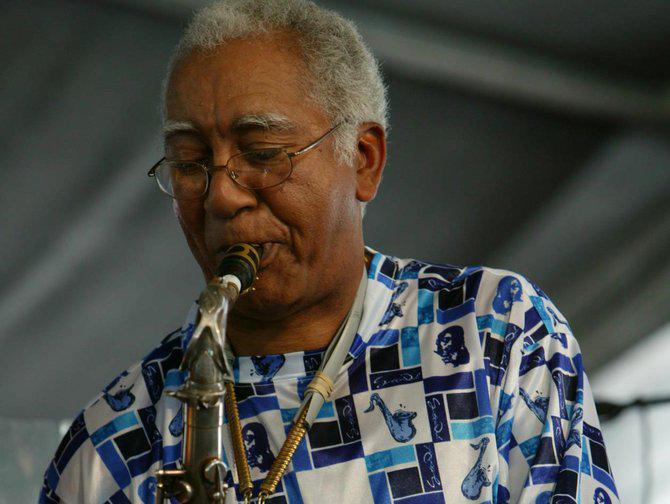
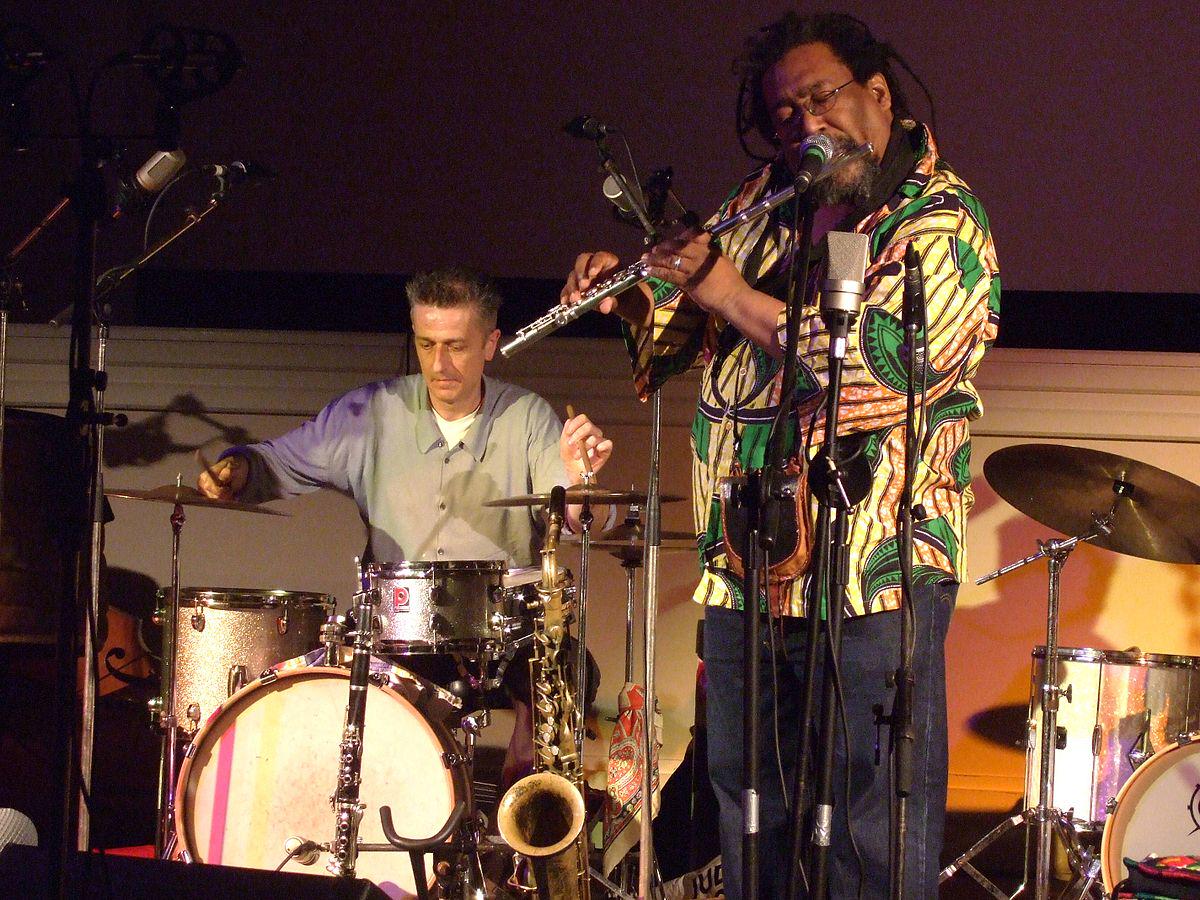
Sabir Mateen’s Spotify BioFamed for his performances in the New York City subway system with the free jazz quartet Test, Sabir Mateen plays a passionate yet nuanced tenor as his main ax, but is equally comfortable on alto sax, clarinet, and flute. Mateen is capable of raw, all-out explosion, but frequently displays a wide dynamic range and a subtler side, and sometimes leans toward melodic free-bop. A native of Philadelphia, Mateen made his first recordings on the West Coast with pianist Horace Tapscott's Pan African People's Arkestra in 1980, and also played with Sun Ra, though he never officially joined Ra's band. In 1989, Mateen relocated to New York with prompting from the legendary drummer Sunny Murray, and spent the next few years paying his dues on the avant-garde scene.
In 1995, he recorded the duo album Getting Away With Murder with drummer Tom Bruno; a live performance in New York's Grand Central Station, it was released on Eremite. Mateen's recording activity steadily increased over the next few… years. He joined Bruno's quartet Test, which also featured bassist Matt Heyner and saxophonist Daniel Carter, and was noted for its impromptu guerrilla concerts in New York subway stations. Mateen's other notable side engagements included work with the Raphe Malik Quartet and the One World Ensemble, and he also formed the trio Tenor Rising, Drums Expanding with Daniel Carter and drummer David Nuss, which began recording for Sound @ One in 1997. Also that year, Mateen led his own trio (with bassist John Voigt and drummer Lawrence Cook) on a session for Eremite, the well-received Divine Mad Love. The following year, he teamed with Sunny Murray for We Are Not at the Opera, a duo album on Eremite; additionally, a spate of Test recordings appeared over 1998-1999. Late 2000 brought more recordings in a duo format: Brothers Together, with the brilliant Hamid Drake on Eremite, and Sun Xing, with Ben Karetnick on JMZ. In early 2001, Mateen led a quintet also featuring Raphe Malik on the Bleu Regard release Secrets of When. ~ Steve Huey, Rovi
Viberate is a music analytics platform built for A&Rs, artist managers, labels, booking agents, marketers, and artists.
It helps music professionals track artist growth, analyze audience data, monitor playlist activity, compare artists, follow song performance, and identify opportunities across the music market.
Public artist pages provide a free preview of selected artist data. Paid plans provide access to deeper analytics, historical data, charts, comparisons, playlist tools, exports, alerts, reports, and additional professional features.
Yes. Public Viberate artist pages provide selected artist analytics and music data for free.
Viberate also offers a 7-day free trial of the full platform. A credit card is required to start the trial. The trial includes access to the complete product so users can test deeper artist analytics, historical views, playlist insights, comparisons, charts, exports, alerts, and reporting features before choosing a paid plan.
Viberate provides artist analytics across streaming, playlists, social media, video, radio airplay, songs, and audience markets.
Users can analyze Spotify performance, Spotify and Apple Music playlists, YouTube activity, TikTok and Instagram growth, radio spins, song performance, audience locations, demographics, rankings, and overall artist momentum.
Artist profiles also connect to music charts, similar artists, and comparison tools, helping users benchmark performance and evaluate artists in context.
Viberate updates key artist and track data daily.
For followed artists and tracks, selected data is refreshed multiple times per day. This helps teams monitor playlist changes, streaming movement, audience growth, releases, and campaign performance with more current data.
Update frequency can vary depending on the metric and data source.
Yes. Viberate lets users compare up to five artists side by side across streaming, social media, audience, and engagement metrics.
Users can compare fanbase growth, audience demographics, locations, Spotify performance, social metrics, and other artist data over selected time periods.
Artist comparison can be used for A&R scouting, benchmarking, booking decisions, campaign planning, and evaluating artists with similar audiences or market positions.