Electrocution

Metal
Death Metal
 Viberate Rank: 312813
 Viberate Rank: 312813
 Monthly ListenersFollowers
 Subscribers
 Followers
 Followers
 FansTop Spotify Songs
| Track | 7-Day Streams | |
|---|---|---|
1 | 138 | |
2 | 134 | |
3 | 121 | |
4 | 108 | |
5 | 87 |
Top YouTube Videos| Video | 7-Day Views | |
|---|---|---|
1 | 12 | |
2 | 4 | |
3 | 4 | |
4 | 3 | |
5 | 2 |
Monthly ListenersFeatured in Playlists| Playlist | Followers | |
|---|---|---|
1 |  Death Metal Classics @MansenSankari | 127.47K |
2 | Metal🤘🏻 Naydil González | 16.46K |
3 |  Death Metal Old School Stéphane Loisal | 12.90K |
4 |  Early Death Metal: The '80s & '90s Loudwire | 4.92K |
5 | Death Metal (80s & 90s) kburke138 | 3.20K |
Audience| City | Monthly Listeners | |
|---|---|---|
1 |  | 26 |
2 |  | 24 |
3 |  | 21 |
4 |  | 16 |
5 |  | 13 |
See full performance history, audience data, playlist activity, rankings, comparisons, and more in Viberate music analytics. Start with a free trial, then continue with a paid plan.
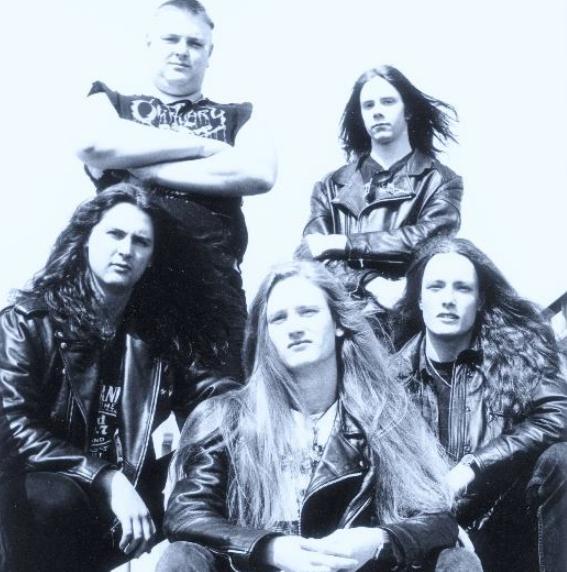
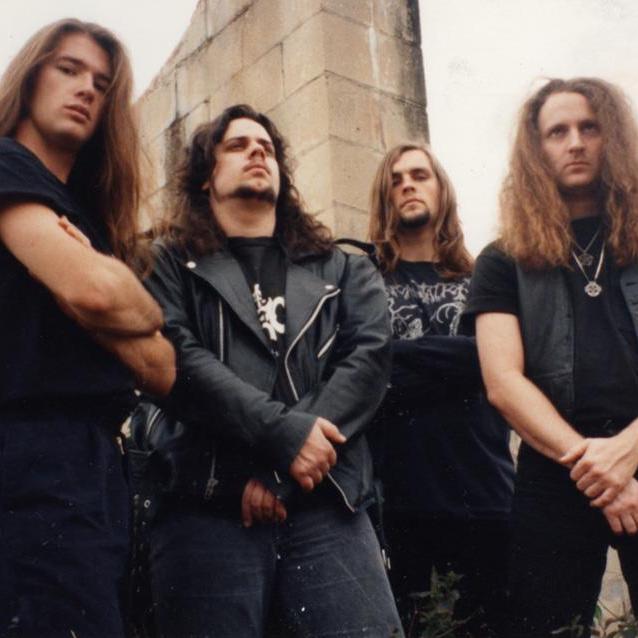
Electrocution’s Spotify BioElectrocution reached cult status for their acclaimed 1993 album "Inside The Unreal", currently one of the most wanted death-metal records.
Formed in 1990 by singer/guitarist Mick Montaguti.
Through 1990 and 1991 the band released 2 demo-tapes that quickly set them apart for their impressive instrumental and songwriting skills.
"Inside The Unreal" was the first international, major distributed death-metal release for an Italian band and became a true milestone for fans and later inspired bands with its aggressive and eclectic sound.
In 1995 Electrocution evolved into a more experimental style and released a couple of 7" via Molten Metal Records. After a few line-up changes and a short period in the United States, the group officially disbanded in the beginning of 1997, just months before guitarist Alex Guadagnoli was selected for a studio-audition with Sepultura.
After the signing with Aural Music Records for the 20th Anniversary reissue of "Inside The Unreal", Electrocution decided to… reunite to work on a brand new album titled "Metaphysincarnation" (issued in 2014) which led the return of Electrocution on the Death Metal scene through worldwide amazing reviews!
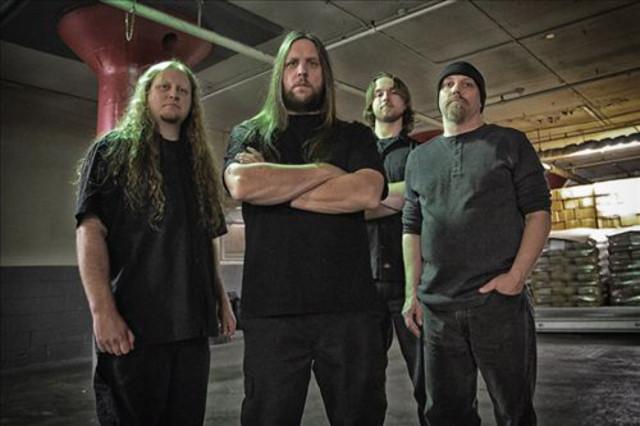
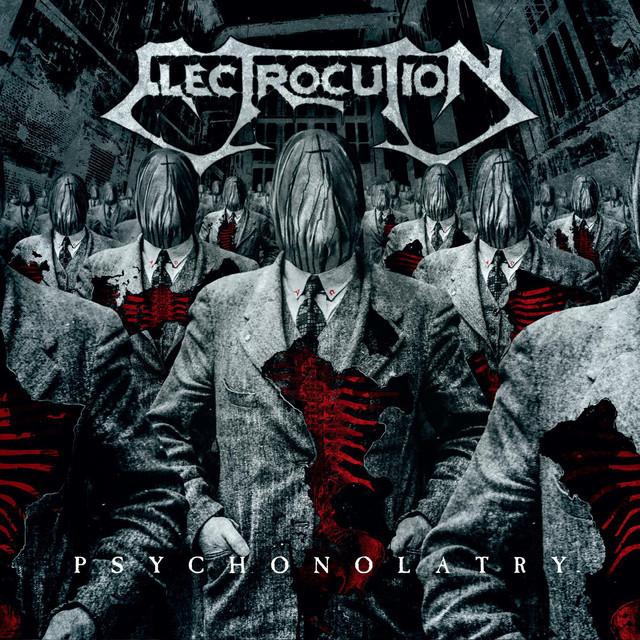
During the period between 2014 and 2022 the lineup has gradually changed until reaching the new equilibrium. In these years the band released 2 albums, the last one is "Psychonolatry" ...and it’s blasting!!!
Viberate is a music analytics platform built for A&Rs, artist managers, labels, booking agents, marketers, and artists.
It helps music professionals track artist growth, analyze audience data, monitor playlist activity, compare artists, follow song performance, and identify opportunities across the music market.
Public artist pages provide a free preview of selected artist data. Paid plans provide access to deeper analytics, historical data, charts, comparisons, playlist tools, exports, alerts, reports, and additional professional features.
Yes. Public Viberate artist pages provide selected artist analytics and music data for free.
Viberate also offers a 7-day free trial of the full platform. A credit card is required to start the trial. The trial includes access to the complete product so users can test deeper artist analytics, historical views, playlist insights, comparisons, charts, exports, alerts, and reporting features before choosing a paid plan.
Viberate provides artist analytics across streaming, playlists, social media, video, radio airplay, songs, and audience markets.
Users can analyze Spotify performance, Spotify and Apple Music playlists, YouTube activity, TikTok and Instagram growth, radio spins, song performance, audience locations, demographics, rankings, and overall artist momentum.
Artist profiles also connect to music charts, similar artists, and comparison tools, helping users benchmark performance and evaluate artists in context.
Viberate updates key artist and track data daily.
For followed artists and tracks, selected data is refreshed multiple times per day. This helps teams monitor playlist changes, streaming movement, audience growth, releases, and campaign performance with more current data.
Update frequency can vary depending on the metric and data source.
Yes. Viberate lets users compare up to five artists side by side across streaming, social media, audience, and engagement metrics.
Users can compare fanbase growth, audience demographics, locations, Spotify performance, social metrics, and other artist data over selected time periods.
Artist comparison can be used for A&R scouting, benchmarking, booking decisions, campaign planning, and evaluating artists with similar audiences or market positions.