Eddy Clearwater

Blues
Classic Blues
Contemporary Blues
 Viberate Rank: 260185
 Viberate Rank: 260185
 Monthly ListenersFollowers
 Subscribers
 Followers
 Followers
 FansTop Spotify Songs
| Track | 7-Day Streams | |
|---|---|---|
1 | 1.95K | |
2 | 1.32K | |
3 | 622 | |
4 | 450 | |
5 | 282 |
Top YouTube VideosMonthly ListenersFeatured in Playlists| Playlist | Followers | |
|---|---|---|
1 |  Chicago Blues Spotify | 191.06K |
2 |  Whiskey Blues 🥃 Тhe Original | The Best Slow Blues / Blues Rock Don's Tunes | 85.92K |
3 |  Greatest Blues Jared Kerkhof | 56.18K |
4 |  Slow Blues & Blues Rock | Don's Tunes Don's Tunes | 19.74K |
5 |  Slow Guitar Blues Hakon Stefansson | 11.43K |
Audience| City | Monthly Listeners | |
|---|---|---|
1 |  | 150 |
2 | | 139 |
3 |  | 95 |
4 |  | 90 |
5 | | 88 |
See full performance history, audience data, playlist activity, rankings, comparisons, and more in Viberate music analytics. Start with a free trial, then continue with a paid plan.
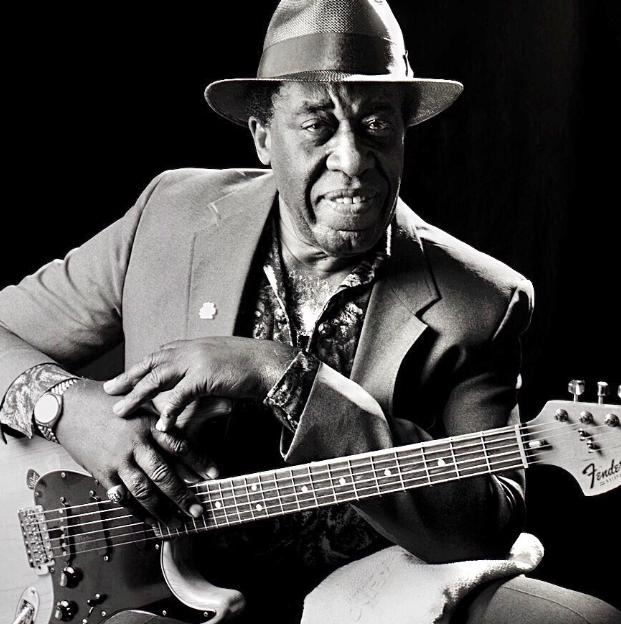
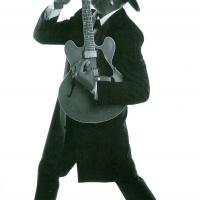
Eddy Clearwater’s Spotify BioOnce dismissed by purists as a Chuck Berry imitator (and an accurate one at that), tall, lean, and lanky Chicago southpaw Eddy Clearwater became recognized as a prime progenitor of West Side-style blues guitar. That's not to say he wouldn't liven up a gig with a little duck-walking or a frat party rendition of "Shout"; after all, Clearwater brought a wide array of influences to the party. Gospel, country, '50s rock, and deep-down blues were all incorporated into his slashing guitar attack. But when he put his mind to it, "The Chief" (a nickname accrued from his penchant for donning Native American headdresses on-stage) was one of the Windy City's finest bluesmen.
Eddy Harrington split Birmingham, Alabama, for Chicago in 1950, initially billing himself on the city's South and West Sides as Guitar Eddy. His uncle, Rev. Houston H. Harrington, handed his nephew his initial recording opportunity; the good reverend operated a small label, Atomic-H. Eddy made the most of it, laying down a… shimmering minor-key instrumental, "A-Minor Cha Cha," and the Berry-derived "Hillbilly Blues" (both on Delmark's Chicago Ain't Nothin' But a Blues Band anthology).
Drummer Jump Jackson invented Eddy's stage moniker as a takeoff on the name of Muddy Waters. As Clear Waters, he waxed another terrific Berry knockoff, "Cool Water," for Jackson's LaSalle logo. By the time he journeyed to Cincinnati in 1961 to cut the glorious auto rocker "I Was Gone," a joyous "A Real Good Time," and the timely "Twist Like This" for Federal Records producer Sonny Thompson, he was officially Eddy Clearwater. Things were sparse for quite a while after that; Clearwater occasionally secured a live gig dishing out rock and country ditties when blues jobs dried up.
But Rooster Blues' 1980 release of The Chief, an extraordinarily strong album by any standards, announced to the world that Eddy Clearwater's ascendancy to Chicago blues stardom was officially underway. The next decade found Clearwater waxing two encores for Rooster Blues, Help Yourself for Blind Pig in 1992, and Mean Case of the Blues in 1996 on his reactivated Cleartone Records, followed by Cool Blues Walk in 1998, Chicago Daily Blues in 1999, and Reservation Blues in 2000.
With consistently exciting live performances, Clearwater cemented his reputation as a masterful showman whose principal goal was to provide his fans with a real good time. Keeping in that tradition, Clearwater teamed up with like-minded showmen Los Straitjackets, releasing Rock 'n' Roll City in 2003 on Rounder, followed five years later by his first session for the Alligator label, West Side Strut. Clearwater continued performing up until his death in June 2018, having played a show at Buddy Guy's Legends club just a couple weeks before. ~ Bill Dahl, Rovi
Viberate is a music analytics platform built for A&Rs, artist managers, labels, booking agents, marketers, and artists.
It helps music professionals track artist growth, analyze audience data, monitor playlist activity, compare artists, follow song performance, and identify opportunities across the music market.
Public artist pages provide a free preview of selected artist data. Paid plans provide access to deeper analytics, historical data, charts, comparisons, playlist tools, exports, alerts, reports, and additional professional features.
Yes. Public Viberate artist pages provide selected artist analytics and music data for free.
Viberate also offers a 7-day free trial of the full platform. A credit card is required to start the trial. The trial includes access to the complete product so users can test deeper artist analytics, historical views, playlist insights, comparisons, charts, exports, alerts, and reporting features before choosing a paid plan.
Viberate provides artist analytics across streaming, playlists, social media, video, radio airplay, songs, and audience markets.
Users can analyze Spotify performance, Spotify and Apple Music playlists, YouTube activity, TikTok and Instagram growth, radio spins, song performance, audience locations, demographics, rankings, and overall artist momentum.
Artist profiles also connect to music charts, similar artists, and comparison tools, helping users benchmark performance and evaluate artists in context.
Viberate updates key artist and track data daily.
For followed artists and tracks, selected data is refreshed multiple times per day. This helps teams monitor playlist changes, streaming movement, audience growth, releases, and campaign performance with more current data.
Update frequency can vary depending on the metric and data source.
Yes. Viberate lets users compare up to five artists side by side across streaming, social media, audience, and engagement metrics.
Users can compare fanbase growth, audience demographics, locations, Spotify performance, social metrics, and other artist data over selected time periods.
Artist comparison can be used for A&R scouting, benchmarking, booking decisions, campaign planning, and evaluating artists with similar audiences or market positions.