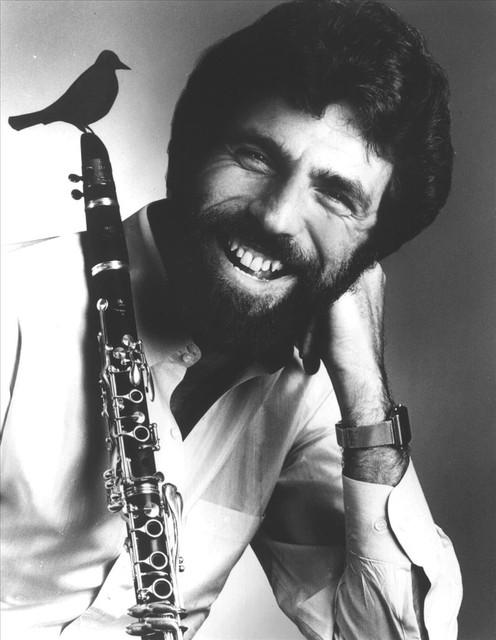
Eddie Daniels

Jazz
Avant-garde Jazz
Smooth Jazz
 Viberate Rank: 156866
 Viberate Rank: 156866
 Monthly ListenersFollowers
 Subscribers
 Followers
 Followers
 FansTop Spotify Songs
| Track | 7-Day Streams | |
|---|---|---|
1 | 15.69K | |
2 | 4.68K | |
3 | 1.57K | |
4 | 1.49K | |
5 | 1.32K |
Top YouTube VideosMonthly ListenersFeatured in Playlists| Playlist | Followers | |
|---|---|---|
1 |  Funky Jazz, Blues & Soul The New Funky | 74.07K |
2 | SUNDAY Morning Jazz Suzanne Moshenko | 25.20K |
3 |  Mellow Jazz For Late At Night NgaioMan | 21.77K |
4 |  24Bits/Audiophile DzilMUO | 15.09K |
5 |  The Patmos Playlist Assia Grazioli Venier | 13.79K |
Audience| City | Monthly Listeners | |
|---|---|---|
1 |  | 744 |
2 |  | 721 |
3 | | 669 |
4 |  | 645 |
5 | | 578 |
See full performance history, audience data, playlist activity, rankings, comparisons, and more in Viberate music analytics. Start with a free trial, then continue with a paid plan.
Eddie Daniels’ Spotify BioOne of the truly great jazz clarinetists (ranking at the top with Benny Goodman, Artie Shaw, and Buddy DeFranco), Eddie Daniels makes the impossible look effortless. On his first GRP release, Breakthrough, in 1984, Daniels switched back and forth on a second's notice between jazz and classical and he has since explored Charlie Parker, Roger Kellaway tunes, crossover, and even swing with consistent brilliance. He is also a dazzling (if underrated) tenor player. Daniels appeared at the 1957 Newport Jazz Festival in Marshall Brown's Youth Band (playing alto) and after graduating from Juilliard in 1966, he played tenor with the Thad Jones/Mel Lewis Orchestra for six years. Daniels recorded First Prize as a leader (1966) and made albums with Freddie Hubbard (1969), Richard Davis, Don Patterson, and duets with Bucky Pizzarelli (1973). Although he recorded as a leader for Muse and Columbia during 1977-1978, Eddie Daniels did not make it big until he started specializing on clarinet and… recording regularly for GRP in 1984. In 1992, he started doubling on tenor again when his reputation on clarinet was secure. ~ Scott Yanow, Rovi
Viberate is a music analytics platform built for A&Rs, artist managers, labels, booking agents, marketers, and artists.
It helps music professionals track artist growth, analyze audience data, monitor playlist activity, compare artists, follow song performance, and identify opportunities across the music market.
Public artist pages provide a free preview of selected artist data. Paid plans provide access to deeper analytics, historical data, charts, comparisons, playlist tools, exports, alerts, reports, and additional professional features.
Yes. Public Viberate artist pages provide selected artist analytics and music data for free.
Viberate also offers a 7-day free trial of the full platform. A credit card is required to start the trial. The trial includes access to the complete product so users can test deeper artist analytics, historical views, playlist insights, comparisons, charts, exports, alerts, and reporting features before choosing a paid plan.
Viberate provides artist analytics across streaming, playlists, social media, video, radio airplay, songs, and audience markets.
Users can analyze Spotify performance, Spotify and Apple Music playlists, YouTube activity, TikTok and Instagram growth, radio spins, song performance, audience locations, demographics, rankings, and overall artist momentum.
Artist profiles also connect to music charts, similar artists, and comparison tools, helping users benchmark performance and evaluate artists in context.
Viberate updates key artist and track data daily.
For followed artists and tracks, selected data is refreshed multiple times per day. This helps teams monitor playlist changes, streaming movement, audience growth, releases, and campaign performance with more current data.
Update frequency can vary depending on the metric and data source.
Yes. Viberate lets users compare up to five artists side by side across streaming, social media, audience, and engagement metrics.
Users can compare fanbase growth, audience demographics, locations, Spotify performance, social metrics, and other artist data over selected time periods.
Artist comparison can be used for A&R scouting, benchmarking, booking decisions, campaign planning, and evaluating artists with similar audiences or market positions.