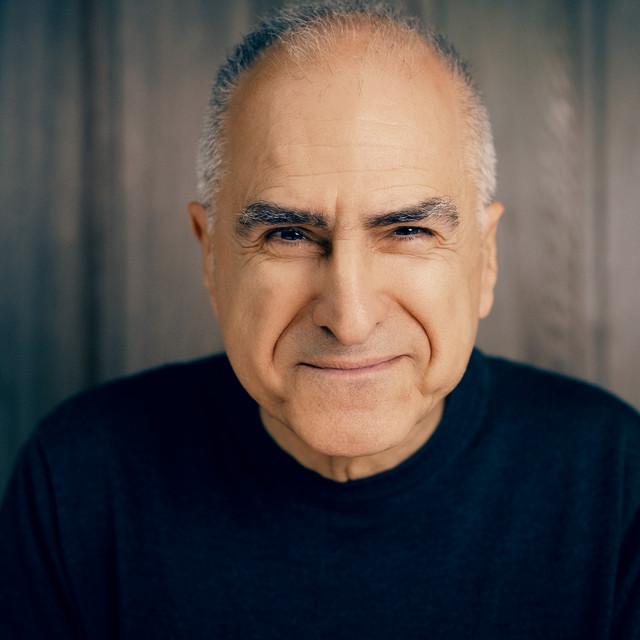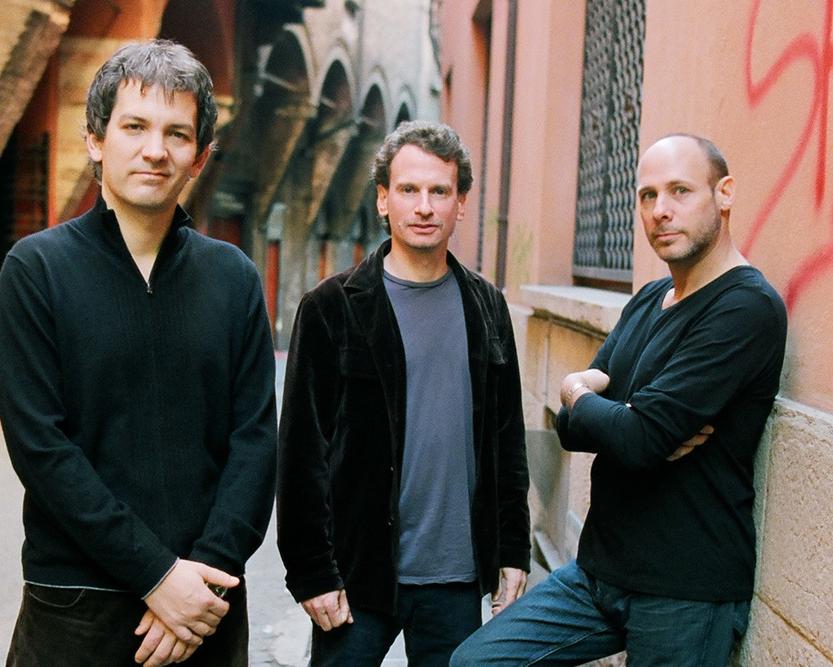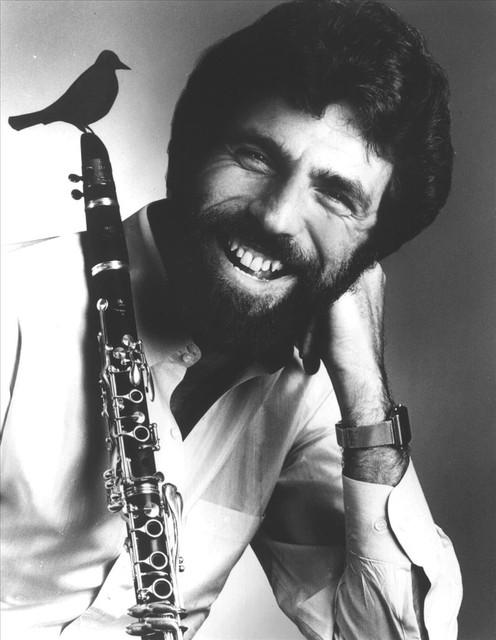
Diego Imbert

Electronic
Dance
Smooth Jazz
 Viberate Rank: 161556
 Viberate Rank: 161556
 Monthly ListenersFollowers
 Subscribers
 Followers
 Followers
 FansTop Spotify Songs
| Track | 7-Day Streams | |
|---|---|---|
1 | 21.29K | |
2 | 14.18K | |
3 | 9.15K | |
4 | 5.79K | |
5 | 5.69K |
Top YouTube VideosMonthly ListenersFeatured in Playlists| Playlist | Followers | |
|---|---|---|
1 |  Good Morning Jazz Spotify | 449.09K |
2 |  Jazz Meets Classical Spotify | 321.61K |
3 |  Just Jazz Spotify | 173.67K |
4 |  The Sound of Everything The Sounds of Spotify | 53.82K |
5 |  JAZZ CHILLOUT 1296362009 | 44.19K |
Audience| City | Monthly Listeners | |
|---|---|---|
1 |  | 1.44K |
2 | | 1.42K |
3 |  | 1.33K |
4 |  | 1.32K |
5 |  | 1.23K |
See full performance history, audience data, playlist activity, rankings, comparisons, and more in Viberate music analytics. Start with a free trial, then continue with a paid plan.
Diego Imbert’s Spotify BioDiego Imbert débute la musique avec le violon à l'âge de six ans mais ce n'est qu'en 1995 qu'il se met à la contrebasse. Il s'est produit dans de nombreuses formations depuis en retrouvant régulièrement au fil des années des musiciens tels que Biréli Lagrène, Sylvain Beuf, Franck Agulhon, David El- Malek, Alex Tassel, Michel Perez, Enrico Pieranunzi, André Ceccarelli, Pierre-Alain Goualch, David Linx, Daniel Mille, Alain Jean-Marie ou encore Richard Galliano.
Diego Imbert a aussi joué avec des musiciens tels que : Archie Shepp, Didier Lockwood, Laurent de Wilde, Aldo Romano, Eric Legnini, Philipp Catherine, Antonio Farao, Jean-Michel Pilc, Stéphane Huchard, Franck Avitabile, Pierre de Bethmann, Guillaume de Chassy, Pierrick Pedron, Rosario Giuliani, Alain Jean-Marie, Sylvain Luc, Flavio Boltro, Michael Felberbaum, Olivier Ker Ourio, Baptiste Trotignon, Tigran Hamasyan, Ari Hoenig, Julien Charlet, Sara Lazarus, Elisabeth Kontomanou , Anne Ducros…
Viberate is a music analytics platform built for A&Rs, artist managers, labels, booking agents, marketers, and artists.
It helps music professionals track artist growth, analyze audience data, monitor playlist activity, compare artists, follow song performance, and identify opportunities across the music market.
Public artist pages provide a free preview of selected artist data. Paid plans provide access to deeper analytics, historical data, charts, comparisons, playlist tools, exports, alerts, reports, and additional professional features.
Yes. Public Viberate artist pages provide selected artist analytics and music data for free.
Viberate also offers a 7-day free trial of the full platform. A credit card is required to start the trial. The trial includes access to the complete product so users can test deeper artist analytics, historical views, playlist insights, comparisons, charts, exports, alerts, and reporting features before choosing a paid plan.
Viberate provides artist analytics across streaming, playlists, social media, video, radio airplay, songs, and audience markets.
Users can analyze Spotify performance, Spotify and Apple Music playlists, YouTube activity, TikTok and Instagram growth, radio spins, song performance, audience locations, demographics, rankings, and overall artist momentum.
Artist profiles also connect to music charts, similar artists, and comparison tools, helping users benchmark performance and evaluate artists in context.
Viberate updates key artist and track data daily.
For followed artists and tracks, selected data is refreshed multiple times per day. This helps teams monitor playlist changes, streaming movement, audience growth, releases, and campaign performance with more current data.
Update frequency can vary depending on the metric and data source.
Yes. Viberate lets users compare up to five artists side by side across streaming, social media, audience, and engagement metrics.
Users can compare fanbase growth, audience demographics, locations, Spotify performance, social metrics, and other artist data over selected time periods.
Artist comparison can be used for A&R scouting, benchmarking, booking decisions, campaign planning, and evaluating artists with similar audiences or market positions.