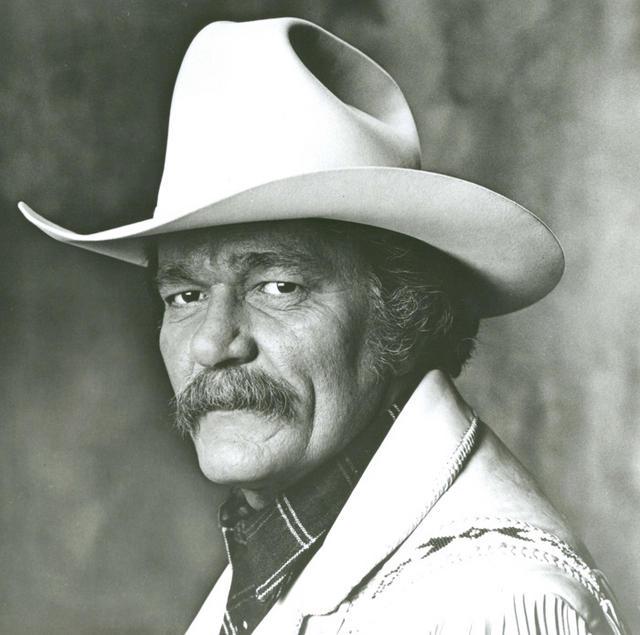
Ed Bruce

Country
Contemporary Country
 Viberate Rank: 80566
 Viberate Rank: 80566
 Monthly ListenersFollowers
 Subscribers
 Followers
 Followers
 FansTop Spotify Songs
| Track | 7-Day Streams | |
|---|---|---|
1 | 28.07K | |
2 | 26.81K | |
3 | 24.25K | |
4 | 13.63K | |
5 | 12.88K |
Top YouTube VideosMonthly ListenersFeatured in Playlists| Playlist | Followers | |
|---|---|---|
1 |  K-Rose (GTA: SA) Rockstar Games | 145.53K |
2 |  The Ranch - Netflix Soundtrack Excelsior Recordings | 75.92K |
3 | MUSICA COUNTRY SUPER EXITOS yeshua | 65.95K |
4 |  Out in the Open Ben Kretchman | 64.64K |
5 |  GetOnMyClassicLvL Marcel Eris | 60.72K |
Audience| City | Monthly Listeners | |
|---|---|---|
1 |  | 2.42K |
2 | | 2.40K |
3 | | 2.39K |
4 | | 2.37K |
5 |  | 2.23K |
See full performance history, audience data, playlist activity, rankings, comparisons, and more in Viberate music analytics. Start with a free trial, then continue with a paid plan.
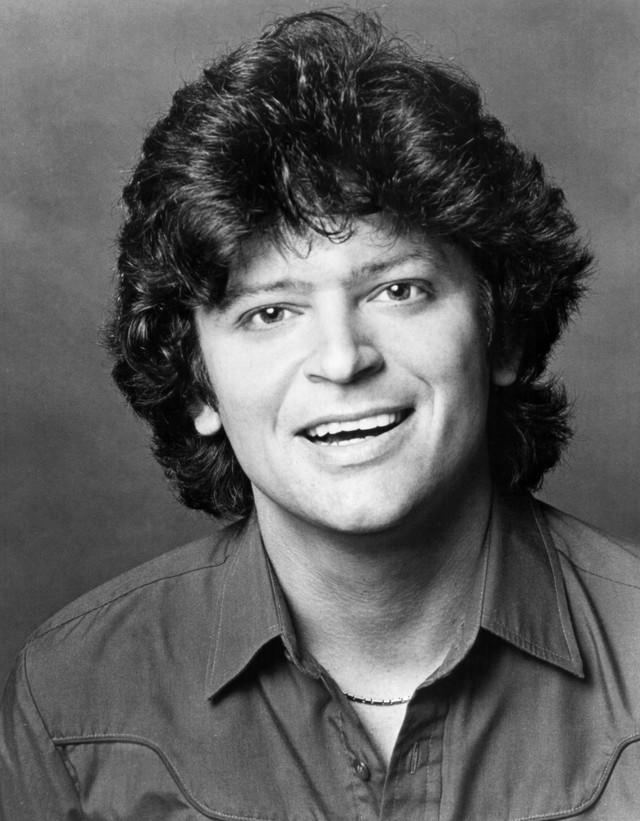
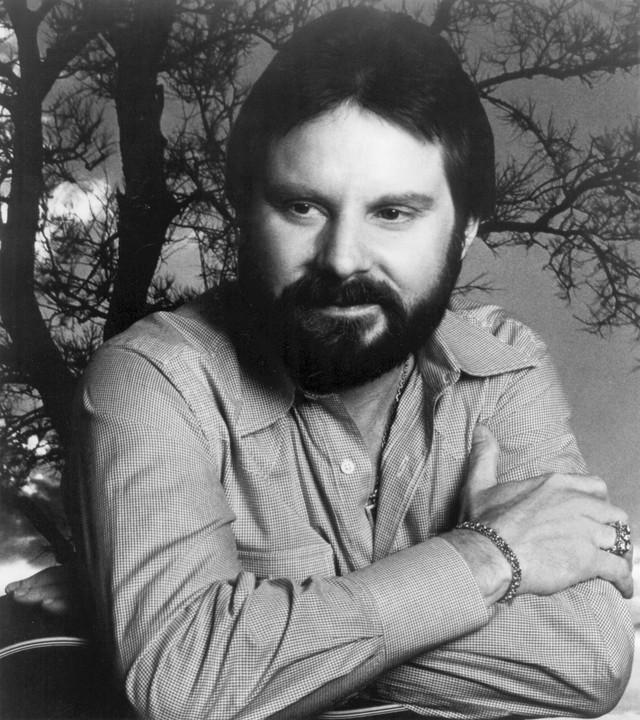
Ed Bruce’s Spotify BioLike so many other artists, singer Ed Bruce got his start as a rockabilly act for Memphis' famed Sun Records but he was probably best known for his songwriting acumen. Born William Edwin Bruce, Jr. in Arkansas in 1939, he cut his first sides for Sun at the age of 17. His career as a frenetic rockabilly performer was largely unsuccessful, however, and by 1964 Bruce had moved to Nashville to become a member of the Marijohn Wilkin Singers. He also entered into a lucrative career singing advertising jingles; his best-known campaign cast him as a character called "The Tennessean."
In 1966, Bruce signed with RCA, notching his first chart hit with the single "Walker's Woods." More singles and a change of labels followed, but the singer struggled until 1975, when he took his composition "Mammas Don't Let Your Babies Grow Up to Be Cowboys" into the Top 20. The song, Bruce's best-known, was later a monster hit when covered by the duo of Waylon Jennings and Willie Nelson in 1977. His songs have… also been recorded by the likes of Charlie Louvin, Tex Ritter, Tanya Tucker, and Crystal Gayle.
After a brief tenure at Epic Records between 1977 and 1978, Bruce achieved his greatest commercial success with MCA in the '80s. "The Last Cowboy Song," featuring guest vocals from Willie Nelson, hit number 12 in 1980; both "Girls, Women and Ladies" and "(When You Fall in Love) Everything's a Waltz" fell just short of entering the Top Ten. In 1981, Bruce hit number one with "You're the Best Break This Heart Ever Had"; other Top Five singles included "Ever, Never Lovin' You" (number four, 1982), "After All" (number four, 1983), "You Turn Me On (Like a Radio)" (number three, 1984), and "Nights" (number four, 1986). After the 1986 album Night Things and a 1988 self-titled release, Bruce made a conscious decision to cut back on his music to focus on his acting career, appearing in several made-for-TV films, though he cut a pair of gospel albums in the mid-2000s. Ed Bruce died on January 8, 2021 in Clarksville, Tennessee; he was 81 years old. ~ Jason Ankeny, Rovi
Viberate is a music analytics platform built for A&Rs, artist managers, labels, booking agents, marketers, and artists.
It helps music professionals track artist growth, analyze audience data, monitor playlist activity, compare artists, follow song performance, and identify opportunities across the music market.
Public artist pages provide a free preview of selected artist data. Paid plans provide access to deeper analytics, historical data, charts, comparisons, playlist tools, exports, alerts, reports, and additional professional features.
Yes. Public Viberate artist pages provide selected artist analytics and music data for free.
Viberate also offers a 7-day free trial of the full platform. A credit card is required to start the trial. The trial includes access to the complete product so users can test deeper artist analytics, historical views, playlist insights, comparisons, charts, exports, alerts, and reporting features before choosing a paid plan.
Viberate provides artist analytics across streaming, playlists, social media, video, radio airplay, songs, and audience markets.
Users can analyze Spotify performance, Spotify and Apple Music playlists, YouTube activity, TikTok and Instagram growth, radio spins, song performance, audience locations, demographics, rankings, and overall artist momentum.
Artist profiles also connect to music charts, similar artists, and comparison tools, helping users benchmark performance and evaluate artists in context.
Viberate updates key artist and track data daily.
For followed artists and tracks, selected data is refreshed multiple times per day. This helps teams monitor playlist changes, streaming movement, audience growth, releases, and campaign performance with more current data.
Update frequency can vary depending on the metric and data source.
Yes. Viberate lets users compare up to five artists side by side across streaming, social media, audience, and engagement metrics.
Users can compare fanbase growth, audience demographics, locations, Spotify performance, social metrics, and other artist data over selected time periods.
Artist comparison can be used for A&R scouting, benchmarking, booking decisions, campaign planning, and evaluating artists with similar audiences or market positions.