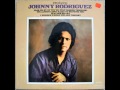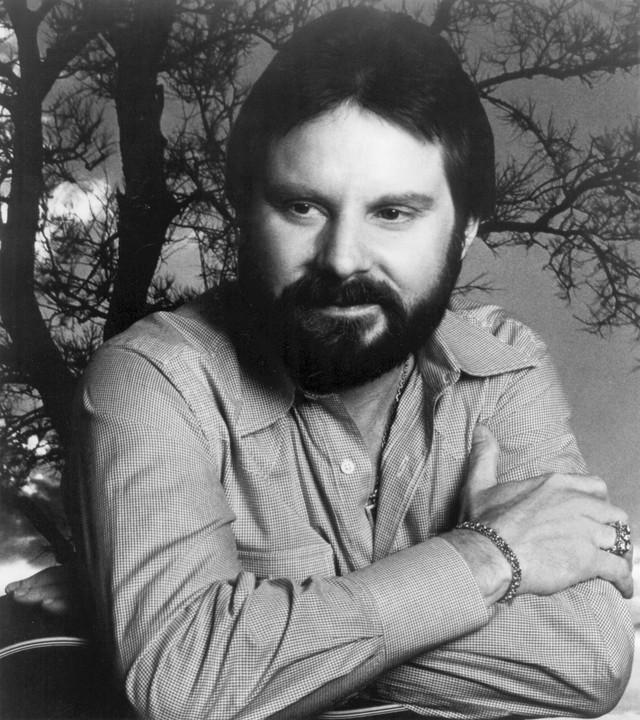
Johnny Rodriguez

Country
Contemporary Country
Americana/Alt Country
 Viberate Rank: 72992
 Viberate Rank: 72992
 Monthly ListenersFollowers
 Subscribers
 Followers
 Followers
 FansTop Spotify Songs
| Track | 7-Day Streams | |
|---|---|---|
1 | 71.87K | |
2 | 16.50K | |
3 | 13.81K | |
4 | 12.08K | |
5 | 10.73K |
Top YouTube VideosMonthly ListenersFeatured in Playlists| Playlist | Followers | |
|---|---|---|
1 |  Out in the Open Ben Kretchman | 64.64K |
2 |  70's Country (Top 100) aly.matthews16 | 47.48K |
3 |  Old Country Classics Glenn Asbjørn B. Ovedal | 34.48K |
4 |  Country Roads 🌵 Kevin Sala | 31.55K |
5 | Classic Country Carter Santos | 28.55K |
Audience| City | Monthly Listeners | |
|---|---|---|
1 | | 6.26K |
2 | | 4.83K |
3 | | 4.47K |
4 | | 4.22K |
5 | | 2.64K |
See full performance history, audience data, playlist activity, rankings, comparisons, and more in Viberate music analytics. Start with a free trial, then continue with a paid plan.
Johnny Rodriguez’s Spotify BioA reliable country hitmaker for much of the '70s, Johnny Rodriguez was born in Sabinal, TX, in 1951, growing up 90 miles from the Mexican border. His older brother Andres, a big country music fan, bought him a guitar when he was seven, and he was playing and singing by his teens. Rodriguez was captain of his high school football team at 16, but when his father died of cancer, he spiraled out of control, racking up four arrests in two years. While Rodriguez was serving a jail term, Texas Ranger Joaquin Jackson heard him sing and introduced him to music promoter Happy Shahan, who booked Rodriguez to work as a singing stagecoach driver at the Alamo Village Amusement Park during 1970-1971. There he was discovered by Tom T. Hall and Bobby Bare, who brought him to Nashville to join Hall's Storytellers. Not long after, Rodriguez signed with Mercury, releasing his debut single, "Pass Me By (If You're Only Passing Through)," in early 1973. It climbed into the Top Ten and turned out to be the… first of 14 consecutive Rodriguez singles to do so. His next two, "Ridin' My Thumb to Mexico" and "You Always Come Back (To Hurting Me)," both hit number one.
1974 brought the Top Five hits "Dance With Me (Just One More Time)" and "We're Over," plus the number one "That's the Way Love Goes." The following year was even better, as all three of his singles -- "I Just Can't Get Her Out of My Mind," "Just Get Up and Close the Door," and "Love Put a Song in My Heart" -- hit number one. More Top Five hits followed over 1976-1977 in "I Couldn't Be Me Without You," "I Wonder If I Ever Said Goodbye," and "Desperado," but he and Mercury parted ways in 1979, upon which point he signed with Epic. "Down the Rio Grande" went Top Ten that year, but Rodriguez subsequently endured a serious commercial slump. He returned to the Top Ten in 1983 with a pair of hits, "Foolin'" and "How Could I Love Her So Much," which proved to be the last of his career; his final chart single came with 1988's Top 20 hit "I Didn't (Every Chance I Had)" on Capitol. He did record a couple of honky tonk-style records during the '90s, specifically Run for the Border (Intersound, 1993) and You Can Say That Again (Hightone, 1996). ~ Steve Huey, Rovi
Viberate is a music analytics platform built for A&Rs, artist managers, labels, booking agents, marketers, and artists.
It helps music professionals track artist growth, analyze audience data, monitor playlist activity, compare artists, follow song performance, and identify opportunities across the music market.
Public artist pages provide a free preview of selected artist data. Paid plans provide access to deeper analytics, historical data, charts, comparisons, playlist tools, exports, alerts, reports, and additional professional features.
Yes. Public Viberate artist pages provide selected artist analytics and music data for free.
Viberate also offers a 7-day free trial of the full platform. A credit card is required to start the trial. The trial includes access to the complete product so users can test deeper artist analytics, historical views, playlist insights, comparisons, charts, exports, alerts, and reporting features before choosing a paid plan.
Viberate provides artist analytics across streaming, playlists, social media, video, radio airplay, songs, and audience markets.
Users can analyze Spotify performance, Spotify and Apple Music playlists, YouTube activity, TikTok and Instagram growth, radio spins, song performance, audience locations, demographics, rankings, and overall artist momentum.
Artist profiles also connect to music charts, similar artists, and comparison tools, helping users benchmark performance and evaluate artists in context.
Viberate updates key artist and track data daily.
For followed artists and tracks, selected data is refreshed multiple times per day. This helps teams monitor playlist changes, streaming movement, audience growth, releases, and campaign performance with more current data.
Update frequency can vary depending on the metric and data source.
Yes. Viberate lets users compare up to five artists side by side across streaming, social media, audience, and engagement metrics.
Users can compare fanbase growth, audience demographics, locations, Spotify performance, social metrics, and other artist data over selected time periods.
Artist comparison can be used for A&R scouting, benchmarking, booking decisions, campaign planning, and evaluating artists with similar audiences or market positions.