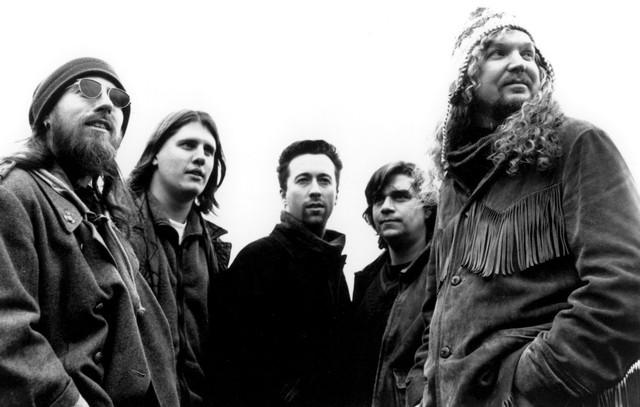
Echolyn

Rock
Pop Rock
Progressive Rock
 Viberate Rank: 265760
 Viberate Rank: 265760
 Monthly ListenersFollowers
 Subscribers
 Followers
 Followers
 FansTop Spotify Songs
| Track | 7-Day Streams | |
|---|---|---|
1 | 693 | |
2 | 89 | |
3 | 82 | |
4 | 70 | |
5 | 55 |
Top YouTube VideosMonthly ListenersFeatured in Playlists| Playlist | Followers | |
|---|---|---|
1 |  Prog Rock Monsters Spotify | 391.03K |
2 |  Prog Rock Classics SWÖRD BOY | 13.43K |
3 | Progressive Rock Geraldo Adami | 8.04K |
4 | Jazz Fusion, Progressive Rock, & Jam Bands Curator Seedpicker | 7.16K |
5 | Rock Progresivo Jota Bueno | 4.74K |
Audience| City | Monthly Listeners | |
|---|---|---|
1 |  | 36 |
2 |  | 27 |
3 |  | 26 |
4 |  | 26 |
5 |  | 20 |
See full performance history, audience data, playlist activity, rankings, comparisons, and more in Viberate music analytics. Start with a free trial, then continue with a paid plan.
Echolyn’s Spotify BioEcholyn's style has been termed updated progressive rock, due to the band's classically trained, highly professional members -- vocalist Ray Weston, guitarist/vocalist Brett Kull, keyboard player Chris Buzby, bassist Tom Hyatt and drummer Paul Ramsey. After honing their instrumental prowess and close harmony vocals on three independent releases, Echolyn was signed by Sony. The group recorded with Glenn Rosenstein and released As the World in March 1995. The band called it quits late that same year, and put out an album of unreleased demos and live recordings (including their last song recorded, "This Time Alone"), called When the Sweet Turns Sour, in 1996. After four years, the band regrouped without Hyatt; Weston took over the role of bass, and newcomer Jordan Perlson joined Ramsey on drums. The new Echolyn recorded Cowboy Poems Free (2000). ~ John Bush, Rovi
Viberate is a music analytics platform built for A&Rs, artist managers, labels, booking agents, marketers, and artists.
It helps music professionals track artist growth, analyze audience data, monitor playlist activity, compare artists, follow song performance, and identify opportunities across the music market.
Public artist pages provide a free preview of selected artist data. Paid plans provide access to deeper analytics, historical data, charts, comparisons, playlist tools, exports, alerts, reports, and additional professional features.
Yes. Public Viberate artist pages provide selected artist analytics and music data for free.
Viberate also offers a 7-day free trial of the full platform. A credit card is required to start the trial. The trial includes access to the complete product so users can test deeper artist analytics, historical views, playlist insights, comparisons, charts, exports, alerts, and reporting features before choosing a paid plan.
Viberate provides artist analytics across streaming, playlists, social media, video, radio airplay, songs, and audience markets.
Users can analyze Spotify performance, Spotify and Apple Music playlists, YouTube activity, TikTok and Instagram growth, radio spins, song performance, audience locations, demographics, rankings, and overall artist momentum.
Artist profiles also connect to music charts, similar artists, and comparison tools, helping users benchmark performance and evaluate artists in context.
Viberate updates key artist and track data daily.
For followed artists and tracks, selected data is refreshed multiple times per day. This helps teams monitor playlist changes, streaming movement, audience growth, releases, and campaign performance with more current data.
Update frequency can vary depending on the metric and data source.
Yes. Viberate lets users compare up to five artists side by side across streaming, social media, audience, and engagement metrics.
Users can compare fanbase growth, audience demographics, locations, Spotify performance, social metrics, and other artist data over selected time periods.
Artist comparison can be used for A&R scouting, benchmarking, booking decisions, campaign planning, and evaluating artists with similar audiences or market positions.