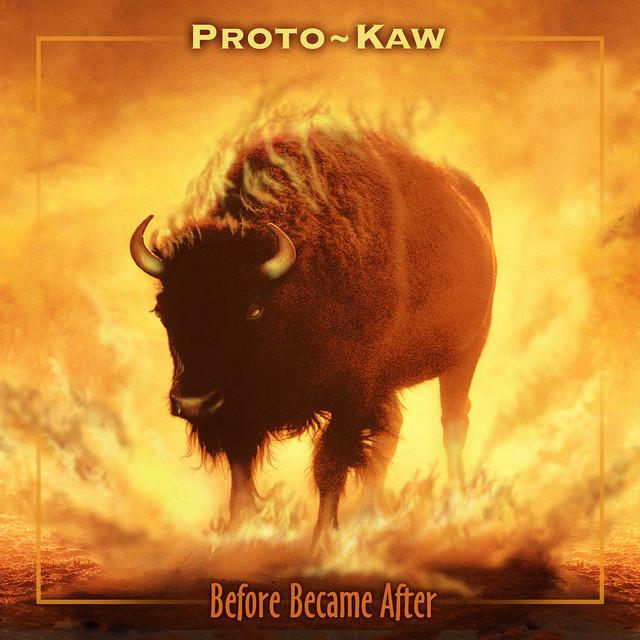
Glass Hammer

Rock
Progressive Rock
 Viberate Rank: 205393
 Viberate Rank: 205393
 Monthly ListenersFollowers
 Subscribers
 Followers
 Followers
 FansTop Spotify Songs
| Track | 7-Day Streams | |
|---|---|---|
1 | 130 | |
2 | 111 | |
3 | 69 | |
4 | 64 | |
5 | 49 |
Top YouTube VideosMonthly ListenersFeatured in Playlists| Playlist | Followers | |
|---|---|---|
1 | Rock Progresivo Jota Bueno | 4.74K |
2 |  The Sound of Progressive Rock The Sounds of Spotify | 3.64K |
3 |  The Sound of Symphonic Rock The Sounds of Spotify | 2.51K |
4 | YES NOT YES Yes | 2.13K |
5 |  The Sound of Neo-Progressive The Sounds of Spotify | 1.95K |
Audience| City | Monthly Listeners | |
|---|---|---|
1 |  | 16 |
2 |  | 12 |
3 |  | 11 |
4 |  | 10 |
5 |  | 10 |
See full performance history, audience data, playlist activity, rankings, comparisons, and more in Viberate music analytics. Start with a free trial, then continue with a paid plan.
Glass Hammer’s Spotify BioGlass Hammer is a symphonic-progressive rock band from the United States. They formed in 1992 when multi-instrumentalists Steve Babb and Fred Schendel began to write and record Journey of the Dunadan.
While many musicians have appeared on Glass Hammer albums over the years, Babb and Schendel have remained the core of the band. Though they sing, a number of other vocalists have also handled lead vocal duties including Michelle Young, Walter Moore, Carl Groves (Salem Hill), Susie Bogdanowicz and Jon Davison (Yes). Worthy of mention, Yes vocalist Jon Anderson provided backup vocals on two songs from 2007's Culture of Ascent.
Musically, they lean towards 70's driven symphonic rock, with strong keyboard orientation; specifically Hammond organs in the tradition of ELP. They have a superb melodic flow to the music they make, encapsulating real power and dynamics without ever becoming overpowering. Their most apparent influences are Yes, ELP, Genesis, and, to a less noticeable extent, Camel.
Wit…hout a doubt, GH remain one of the most popular groups in the progressive rock genre. All the albums are very conceptual, and there is great musicianship overall.
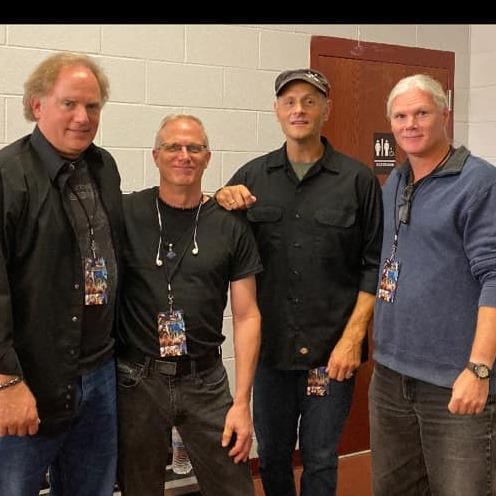
Current band members include co-founders Steve Babb (bass guitar, guitar and keyboards), Fred Schendel (keyboards and guitar) along with Aaron Raulston (drums), and Hannah Pryor (lead vocalist).
Viberate is a music analytics platform built for A&Rs, artist managers, labels, booking agents, marketers, and artists.
It helps music professionals track artist growth, analyze audience data, monitor playlist activity, compare artists, follow song performance, and identify opportunities across the music market.
Public artist pages provide a free preview of selected artist data. Paid plans provide access to deeper analytics, historical data, charts, comparisons, playlist tools, exports, alerts, reports, and additional professional features.
Yes. Public Viberate artist pages provide selected artist analytics and music data for free.
Viberate also offers a 7-day free trial of the full platform. A credit card is required to start the trial. The trial includes access to the complete product so users can test deeper artist analytics, historical views, playlist insights, comparisons, charts, exports, alerts, and reporting features before choosing a paid plan.
Viberate provides artist analytics across streaming, playlists, social media, video, radio airplay, songs, and audience markets.
Users can analyze Spotify performance, Spotify and Apple Music playlists, YouTube activity, TikTok and Instagram growth, radio spins, song performance, audience locations, demographics, rankings, and overall artist momentum.
Artist profiles also connect to music charts, similar artists, and comparison tools, helping users benchmark performance and evaluate artists in context.
Viberate updates key artist and track data daily.
For followed artists and tracks, selected data is refreshed multiple times per day. This helps teams monitor playlist changes, streaming movement, audience growth, releases, and campaign performance with more current data.
Update frequency can vary depending on the metric and data source.
Yes. Viberate lets users compare up to five artists side by side across streaming, social media, audience, and engagement metrics.
Users can compare fanbase growth, audience demographics, locations, Spotify performance, social metrics, and other artist data over selected time periods.
Artist comparison can be used for A&R scouting, benchmarking, booking decisions, campaign planning, and evaluating artists with similar audiences or market positions.