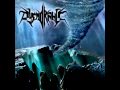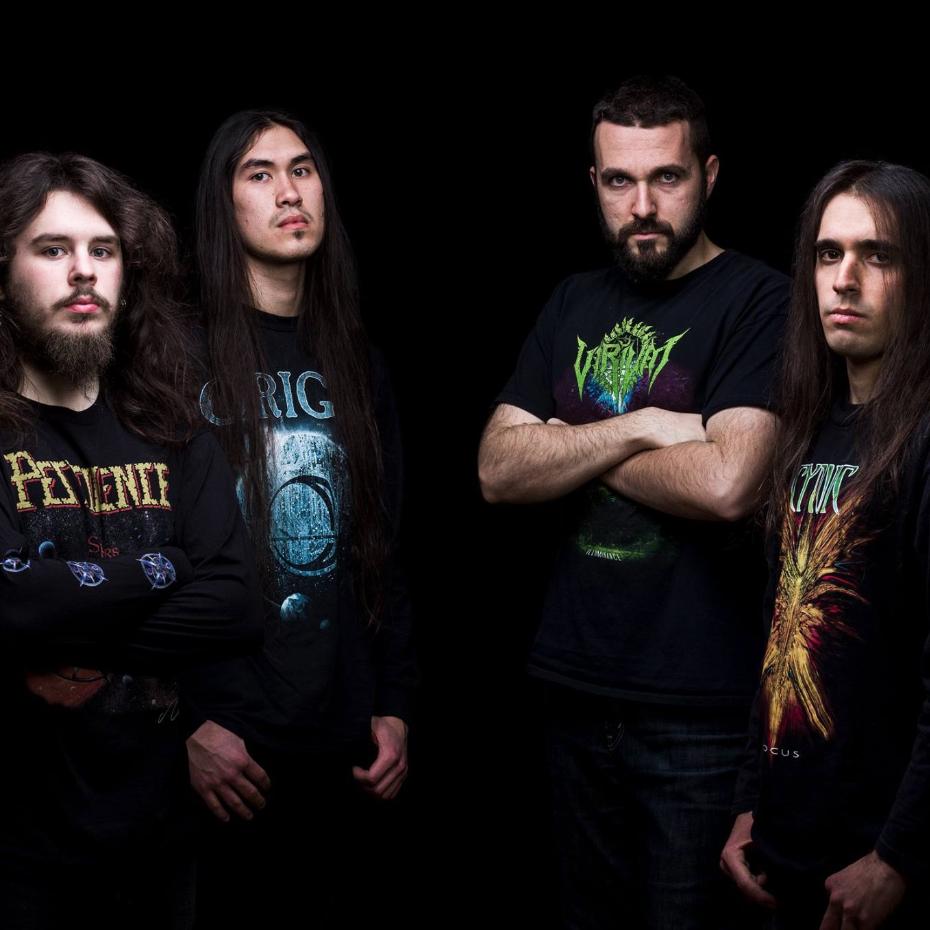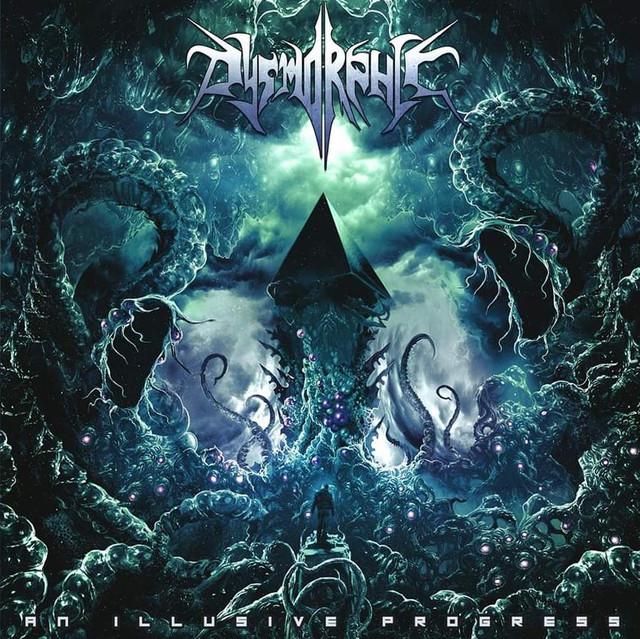
Dysmorphic

Metal
Death Metal
Grindcore
 Viberate Rank: 414276
 Viberate Rank: 414276
 Monthly ListenersFollowers
 Subscribers
 Followers
 Followers
 FansTop Spotify Songs
| Track | 7-Day Streams | |
|---|---|---|
1 | 84 | |
2 | 32 | |
3 | 24 | |
4 | 23 | |
5 | 23 |
Top YouTube VideosMonthly ListenersFeatured in Playlists| Playlist | Followers | |
|---|---|---|
1 |  Technical Death Metal OPSAT | 15.41K |
2 |  The Sound of Technical Death Metal The Sounds of Spotify | 4.59K |
3 |  Tech Death Ayk0 | 2.61K |
4 |  Neoclassical Technical Death Metal İsmail Pektaş | 2.13K |
5 | Technical Melodic Death Metal Luigi De Luca | 2.07K |
Audience| City | Monthly Listeners | |
|---|---|---|
1 |  | 6 |
2 |  | 6 |
3 |  | 5 |
4 |  | 5 |
5 | | 5 |
See full performance history, audience data, playlist activity, rankings, comparisons, and more in Viberate music analytics. Start with a free trial, then continue with a paid plan.
Dysmorphic’s Spotify BioDysmorphic is a french death metal band formed in early 2010.
They released their first album "A notion of causality" via Unique Leader records which is influenced by the american death metal scenery such as Morbid Angel, Suffocation but also Necrophagist.
"A notion of causality" paid homage to the so called "old school death metal" scenery and was well recieved by fans all around the world.
Their second album "An illusive progress" came out end of 2018, still under Unique Leader records. It's slightly more progressive but still conserves the same technicity as the first album.
Dysmorphic's death metal is tinted with dark and atmospheric melodies in which they unravel many themes, including human beings, in a world in which we thrive upon it's destruction.
Once again the band is building up their reputation through gigs with bigger name's such as Gorod, Benighted, Betraying the Martyrs, Kadinja etc. Dysmorphic is no doubt a band to follow !
Viberate is a music analytics platform built for A&Rs, artist managers, labels, booking agents, marketers, and artists.
It helps music professionals track artist growth, analyze audience data, monitor playlist activity, compare artists, follow song performance, and identify opportunities across the music market.
Public artist pages provide a free preview of selected artist data. Paid plans provide access to deeper analytics, historical data, charts, comparisons, playlist tools, exports, alerts, reports, and additional professional features.
Yes. Public Viberate artist pages provide selected artist analytics and music data for free.
Viberate also offers a 7-day free trial of the full platform. A credit card is required to start the trial. The trial includes access to the complete product so users can test deeper artist analytics, historical views, playlist insights, comparisons, charts, exports, alerts, and reporting features before choosing a paid plan.
Viberate provides artist analytics across streaming, playlists, social media, video, radio airplay, songs, and audience markets.
Users can analyze Spotify performance, Spotify and Apple Music playlists, YouTube activity, TikTok and Instagram growth, radio spins, song performance, audience locations, demographics, rankings, and overall artist momentum.
Artist profiles also connect to music charts, similar artists, and comparison tools, helping users benchmark performance and evaluate artists in context.
Viberate updates key artist and track data daily.
For followed artists and tracks, selected data is refreshed multiple times per day. This helps teams monitor playlist changes, streaming movement, audience growth, releases, and campaign performance with more current data.
Update frequency can vary depending on the metric and data source.
Yes. Viberate lets users compare up to five artists side by side across streaming, social media, audience, and engagement metrics.
Users can compare fanbase growth, audience demographics, locations, Spotify performance, social metrics, and other artist data over selected time periods.
Artist comparison can be used for A&R scouting, benchmarking, booking decisions, campaign planning, and evaluating artists with similar audiences or market positions.