Deceptionist

Metal
Death Metal
 Viberate Rank: 429776
 Viberate Rank: 429776
 Monthly ListenersFollowers
 Subscribers
 Followers
 Followers
 FansTop Spotify Songs
| Track | 7-Day Streams | |
|---|---|---|
1 | 54 | |
2 | 25 | |
3 | 24 | |
4 | 20 | |
5 | 19 |
Top YouTube VideosMonthly ListenersFeatured in Playlists| Playlist | Followers | |
|---|---|---|
1 |  Technical Death Metal OPSAT | 15.41K |
2 |  The Sound of Technical Death Metal The Sounds of Spotify | 4.59K |
3 |  Les Yeux Orange Mirror.FM | 3.08K |
4 |  Death Metal - Deathcore - Slam Lost Soul | 1.77K |
5 |  The Sound of Technical Brutal Death Metal The Sounds of Spotify | 1.68K |
Audience| City | Monthly Listeners | |
|---|---|---|
1 |  | 5 |
2 |  | 3 |
3 |  | 3 |
4 |  | 3 |
5 |  | 3 |
See full performance history, audience data, playlist activity, rankings, comparisons, and more in Viberate music analytics. Start with a free trial, then continue with a paid plan.
Deceptionist’s Spotify BioFormed in 2013 DECEPTIONIST dispatches a technical breed of death metal heavily integrated with mechanical flair and industrialized elements. Recorded and produced at Outersounds Studios by Giuseppe Orlando, the band’s three-song 2014-released demo was immediately ravenously consumed by fans and media sources alike, with excellent reviews sourced from Europe, North American and beyond. DECEPTIONIST signed with Unique Leader Records on the beginning of 2015 and immediately invaded to the studio.
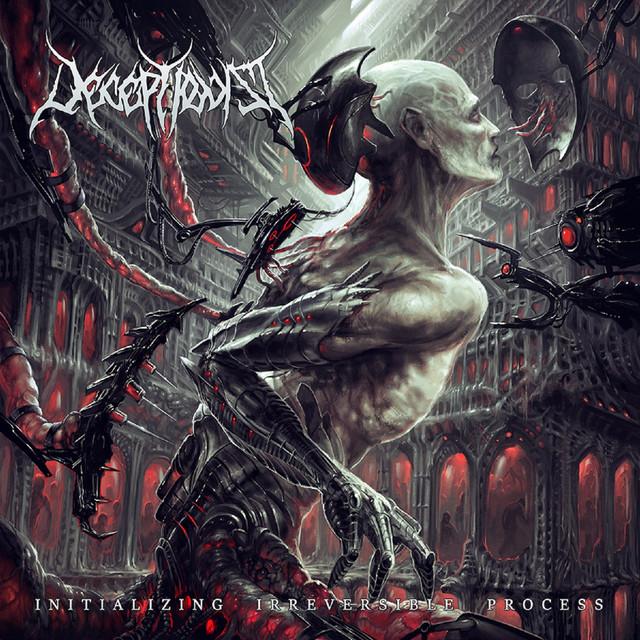
Returning to Giuseppe Orlando’s Outersound Studios, DECEPTIONIST captured ten tracks which would become their debut album, Initializing Irreversible Process. The band utilized the talents of Stefano Franceschini on bass duties for the whole album, and brought in Enrico H. Di Lorenzo as guest vocalist on “Through The Veil,” both members of labelmates Hideous Divinity. To the band, death metal is the most complete genre in metal; impulsive, feral, emotional, somehow primitive, yet so calculated,… logical, experimental sometimes. The collective pushed heavily forward in the realms of technicality and speed, while simultaneously remaining loyal to our root elements: groove, brutality, catchiness. Their use of sampling blends seamlessly with harsh guitar riffs, the lyrical content dealing with the relationship between humans and machines in a not-too-distant future world where men and women will live only to serve artificial masters.
Viberate is a music analytics platform built for A&Rs, artist managers, labels, booking agents, marketers, and artists.
It helps music professionals track artist growth, analyze audience data, monitor playlist activity, compare artists, follow song performance, and identify opportunities across the music market.
Public artist pages provide a free preview of selected artist data. Paid plans provide access to deeper analytics, historical data, charts, comparisons, playlist tools, exports, alerts, reports, and additional professional features.
Yes. Public Viberate artist pages provide selected artist analytics and music data for free.
Viberate also offers a 7-day free trial of the full platform. A credit card is required to start the trial. The trial includes access to the complete product so users can test deeper artist analytics, historical views, playlist insights, comparisons, charts, exports, alerts, and reporting features before choosing a paid plan.
Viberate provides artist analytics across streaming, playlists, social media, video, radio airplay, songs, and audience markets.
Users can analyze Spotify performance, Spotify and Apple Music playlists, YouTube activity, TikTok and Instagram growth, radio spins, song performance, audience locations, demographics, rankings, and overall artist momentum.
Artist profiles also connect to music charts, similar artists, and comparison tools, helping users benchmark performance and evaluate artists in context.
Viberate updates key artist and track data daily.
For followed artists and tracks, selected data is refreshed multiple times per day. This helps teams monitor playlist changes, streaming movement, audience growth, releases, and campaign performance with more current data.
Update frequency can vary depending on the metric and data source.
Yes. Viberate lets users compare up to five artists side by side across streaming, social media, audience, and engagement metrics.
Users can compare fanbase growth, audience demographics, locations, Spotify performance, social metrics, and other artist data over selected time periods.
Artist comparison can be used for A&R scouting, benchmarking, booking decisions, campaign planning, and evaluating artists with similar audiences or market positions.