Duke Pearson

Jazz
Smooth Jazz
Bebop
 Viberate Rank: 113348
 Viberate Rank: 113348
 Monthly ListenersFollowers
 Subscribers
 Followers
 Followers
 FansTop Spotify Songs
| Track | 7-Day Streams | |
|---|---|---|
1 | 23.62K | |
2 | 14.08K | |
3 | 8.48K | |
4 | 7.26K | |
5 | 3.92K |
Top YouTube VideosMonthly ListenersFeatured in Playlists| Playlist | Followers | |
|---|---|---|
1 |  Jazz Classics Blue Note Edition Spotify | 549.30K |
2 |  jazz bar in nyc🎷 mishelle | 454.31K |
3 |  Jazz Noir Spotify | 349.57K |
4 |  Jazz Piano Classics Spotify | 158.63K |
5 |  Jazz-Blues Spotify | 142.71K |
Audience| City | Monthly Listeners | |
|---|---|---|
1 |  | 1.96K |
2 | | 1.67K |
3 | | 1.60K |
4 |  | 1.20K |
5 | | 1.14K |
See full performance history, audience data, playlist activity, rankings, comparisons, and more in Viberate music analytics. Start with a free trial, then continue with a paid plan.
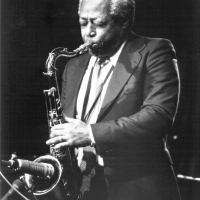
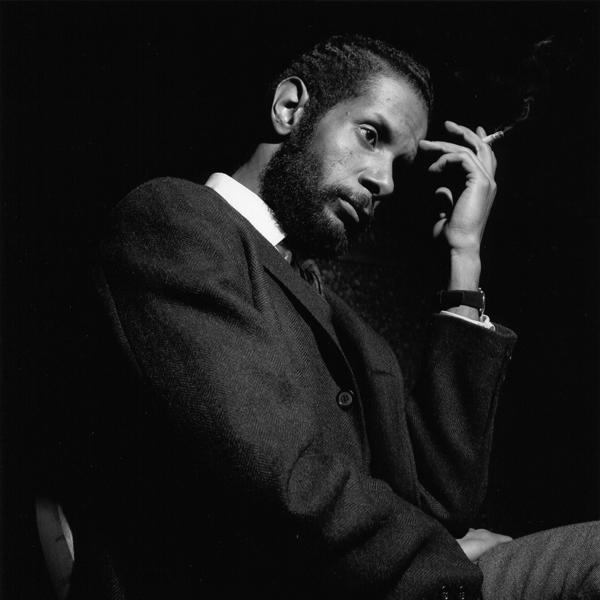
Duke Pearson’s Spotify BioDuke Pearson was an accomplished, lyrical, and logical -- if rather cautious -- pianist who played a big part in shaping the Blue Note label's hard bop direction in the 1960s as a producer. He will probably be best remembered for writing several attractive, catchy pieces, the most memorable being the moody "Cristo Redentor" for Donald Byrd, "Sweet Honey Bee" for himself and Lee Morgan, and "Jeannine," which has become a much-covered jazz standard. Pearson was introduced to brass instruments and the piano as a youth, and his abilities on the latter inspired his uncle, an Ellington admirer, to give him his nickname. Dental problems forced Pearson to abandon the brass family, so he worked as a pianist in Atlanta and elsewhere in Georgia and Florida before moving to New York in 1959. There, he joined Donald Byrd's band and the Art Farmer-Benny Golson Sextet, and served as Nancy Wilson's accompanist. In 1963, he arranged four numbers for jazz septet and eight-voice choir on Byrd's… innovative A New Perspective album; one of the tunes was "Cristo Redentor," which became a jazz hit. From 1963 to 1970, Pearson was in charge of several recording sessions for Blue Note, while also recording most of his albums as a leader. He also led a big band from 1967 to 1970 and again in 1972, hiring players like Pepper Adams, Chick Corea, Lew Tabackin, Randy Brecker, and Garnett Brown. Pearson continued to accompany vocalists in the 1970s, such as Carmen McRae, but he spent a good deal of the latter half of the decade fighting the ravages of multiple sclerosis. ~ Richard S. Ginell, Rovi
Viberate is a music analytics platform built for A&Rs, artist managers, labels, booking agents, marketers, and artists.
It helps music professionals track artist growth, analyze audience data, monitor playlist activity, compare artists, follow song performance, and identify opportunities across the music market.
Public artist pages provide a free preview of selected artist data. Paid plans provide access to deeper analytics, historical data, charts, comparisons, playlist tools, exports, alerts, reports, and additional professional features.
Yes. Public Viberate artist pages provide selected artist analytics and music data for free.
Viberate also offers a 7-day free trial of the full platform. A credit card is required to start the trial. The trial includes access to the complete product so users can test deeper artist analytics, historical views, playlist insights, comparisons, charts, exports, alerts, and reporting features before choosing a paid plan.
Viberate provides artist analytics across streaming, playlists, social media, video, radio airplay, songs, and audience markets.
Users can analyze Spotify performance, Spotify and Apple Music playlists, YouTube activity, TikTok and Instagram growth, radio spins, song performance, audience locations, demographics, rankings, and overall artist momentum.
Artist profiles also connect to music charts, similar artists, and comparison tools, helping users benchmark performance and evaluate artists in context.
Viberate updates key artist and track data daily.
For followed artists and tracks, selected data is refreshed multiple times per day. This helps teams monitor playlist changes, streaming movement, audience growth, releases, and campaign performance with more current data.
Update frequency can vary depending on the metric and data source.
Yes. Viberate lets users compare up to five artists side by side across streaming, social media, audience, and engagement metrics.
Users can compare fanbase growth, audience demographics, locations, Spotify performance, social metrics, and other artist data over selected time periods.
Artist comparison can be used for A&R scouting, benchmarking, booking decisions, campaign planning, and evaluating artists with similar audiences or market positions.