Dry Cell

Rock
Hard Rock
Alternative Metal
 Viberate Rank: 262382
 Viberate Rank: 262382
 Monthly ListenersFollowers
 Subscribers
 Followers
 Followers
 FansTop Spotify Songs
| Track | 7-Day Streams | |
|---|---|---|
1 | 24.81K |
Top YouTube VideosMonthly ListenersFeatured in Playlists| Playlist | Followers | |
|---|---|---|
1 |  Nu Metal Generation 90's & 2000's Ricardo 🇧🇷 | 46.46K |
2 |  Queen of the Damned (Soundtrack) Ricardo Sanfelice | 37.74K |
3 |  BIG NU METAL 90S/2000S MOOD!!!!!!! seran ♱ | 31.87K |
4 | LET THE BODIES HIT THE FLOOR beans | 26.51K |
5 |  Queen Of The Dammed(In Order) (Soundtrack) 🎵Spawn🎸 | 19.73K |
Audience| City | Monthly Listeners | |
|---|---|---|
1 | | 578 |
2 |  | 567 |
3 |  | 563 |
4 |  | 539 |
5 | | 536 |
See full performance history, audience data, playlist activity, rankings, comparisons, and more in Viberate music analytics. Start with a free trial, then continue with a paid plan.
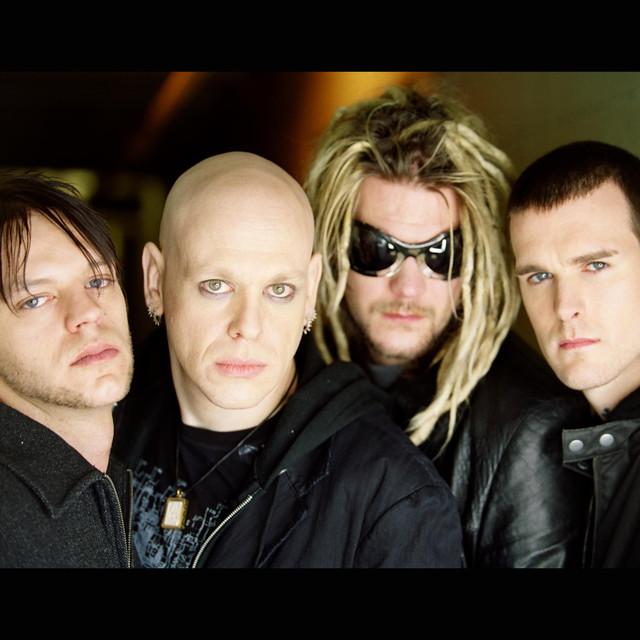
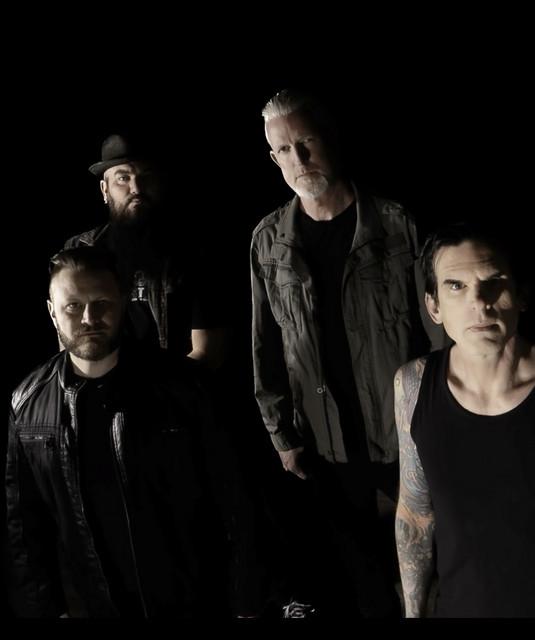
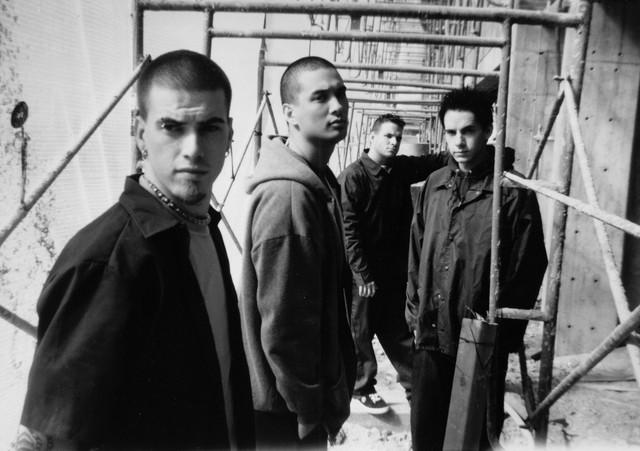
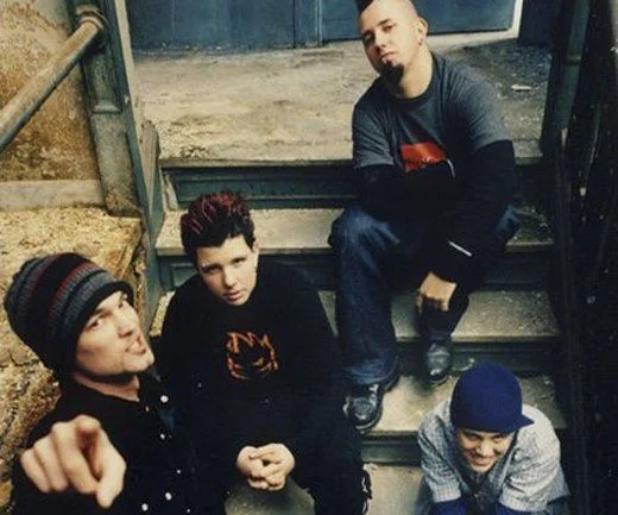
Dry Cell’s Spotify BioBrandon Brown (drums), Danny Hartwell (guitar), Judd Gruenbaum (bass/vocals), and Jeff Gutt (vocals) comprise the heavy rock dose of Dry Cell. Hartwell and Brown first met in 1998 at a Ratt show in Los Angeles, only to later strike up conversation with Gruenbaum. The three called themselves Beyond Control and began playing shows in and around Los Angeles. Gigs at the Roxy and the House of Blues proved prominent. Warner Bros. took notice of Beyond Control, but the band realized they needed an extra musician. Detroit native Jeff Gutt was added to the band and Dry Cell was born. Composing an aggressive style similar to the likes of Linkin Park and P.O.D., Dry Cell made their debut on the soundtrack to Queen of the Damned with "Body Crumbles." Their studio full-length, Disconnected, appeared in summer 2002. ~ MacKenzie Wilson, Rovi
Viberate is a music analytics platform built for A&Rs, artist managers, labels, booking agents, marketers, and artists.
It helps music professionals track artist growth, analyze audience data, monitor playlist activity, compare artists, follow song performance, and identify opportunities across the music market.
Public artist pages provide a free preview of selected artist data. Paid plans provide access to deeper analytics, historical data, charts, comparisons, playlist tools, exports, alerts, reports, and additional professional features.
Yes. Public Viberate artist pages provide selected artist analytics and music data for free.
Viberate also offers a 7-day free trial of the full platform. A credit card is required to start the trial. The trial includes access to the complete product so users can test deeper artist analytics, historical views, playlist insights, comparisons, charts, exports, alerts, and reporting features before choosing a paid plan.
Viberate provides artist analytics across streaming, playlists, social media, video, radio airplay, songs, and audience markets.
Users can analyze Spotify performance, Spotify and Apple Music playlists, YouTube activity, TikTok and Instagram growth, radio spins, song performance, audience locations, demographics, rankings, and overall artist momentum.
Artist profiles also connect to music charts, similar artists, and comparison tools, helping users benchmark performance and evaluate artists in context.
Viberate updates key artist and track data daily.
For followed artists and tracks, selected data is refreshed multiple times per day. This helps teams monitor playlist changes, streaming movement, audience growth, releases, and campaign performance with more current data.
Update frequency can vary depending on the metric and data source.
Yes. Viberate lets users compare up to five artists side by side across streaming, social media, audience, and engagement metrics.
Users can compare fanbase growth, audience demographics, locations, Spotify performance, social metrics, and other artist data over selected time periods.
Artist comparison can be used for A&R scouting, benchmarking, booking decisions, campaign planning, and evaluating artists with similar audiences or market positions.