Don Q

Hip Hop
Contemporary Hip Hop
Trap
 Viberate Rank: 29452
 Viberate Rank: 29452
 Monthly ListenersFollowers
 Subscribers
 Followers
 Followers
 FansTop Spotify Songs
| Track | 7-Day Streams | |
|---|---|---|
1 | 21.94K | |
2 | 21.45K | |
3 | 17.95K | |
4 | 9.64K | |
5 | 7.73K |
Top YouTube Videos| Video | 7-Day Views | |
|---|---|---|
1 | 10.71K | |
2 | 5.21K | |
3 | 4.23K | |
4 | 3.73K | |
5 | 3.64K |
Monthly ListenersFeatured in Playlists| Playlist | Followers | |
|---|---|---|
1 |  State of Mind Spotify | 453.54K |
2 |  Hip-Hop and Play PlayStation®️ | 224.76K |
3 |  Workout Playlist 2021 👊 💦 metr | 218.96K |
4 | Rap | 171.81K |
5 | BANGERS 🔥 2026 Patrick | 94.00K |
Audience| City | Monthly Listeners | |
|---|---|---|
1 | | 11.33K |
2 | | 7.68K |
3 |  | 5.27K |
4 | | 5.15K |
5 | | 3.59K |
See full performance history, audience data, playlist activity, rankings, comparisons, and more in Viberate music analytics. Start with a free trial, then continue with a paid plan.
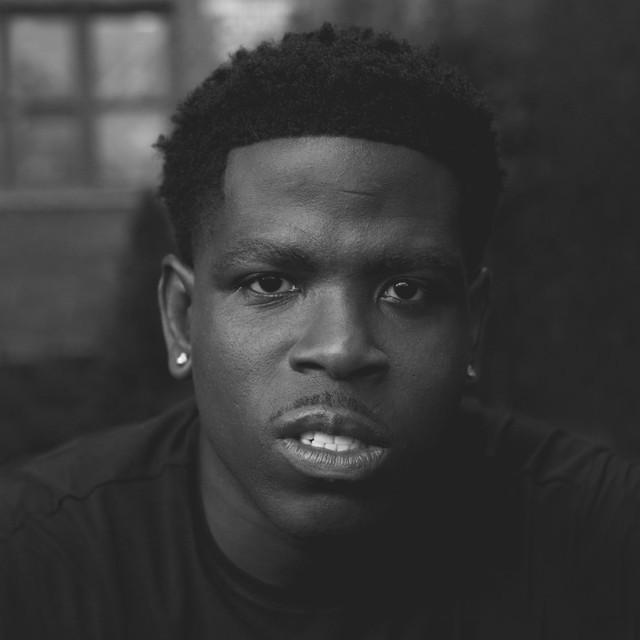
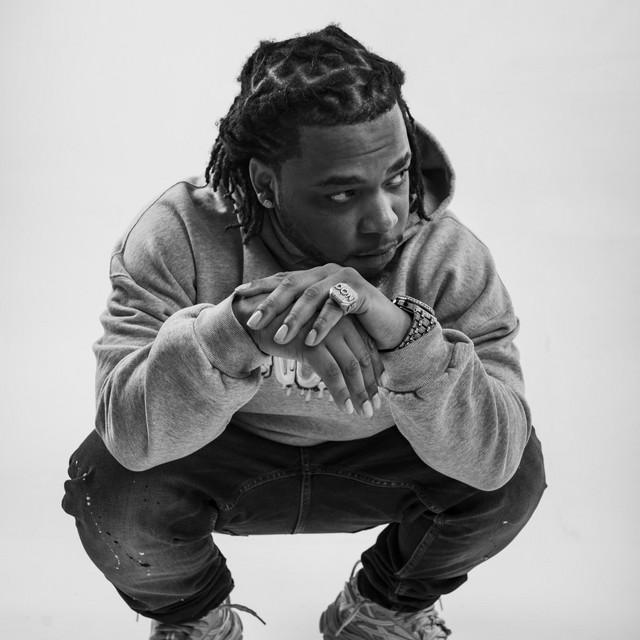
Don Q’s Spotify BioA native of the Highbridge neighborhood of the Bronx, New York City, rapper Don Q emerged in 2016 delivering hard, no-nonsense verses about his life experiences on his debut mixtape, Don Season. Initially known for his collaborations with fellow Bronx native A Boogie wit da Hoodie, he became part of the Highbridge the Label crew and later signed with Atlantic. His style eschews melodic hooks and flashy delivery, instead focusing on intense, motivated lyricism. In addition to recording several tracks with A Boogie, he has also worked with rappers such as 50 Cent (2018's "Yeah Yeah") and Lil Uzi Vert (2020's "Flood My Wrist").
Don Q grew up listening to Jay-Z albums and mixtapes by the likes of Lloyd Banks and Cassidy, and started writing rhymes and battle rapping as a teenager. He released a low-key mixtape at the age of 17, but subsequently lost his focus on music until 2014, when he decided to get back on track and rap professionally. He made cameos on tracks by Meek Mill and Dave East… before releasing his Don Season mixtape in 2016, as well as Highbridge the Label: The Takeover, Vol. 1, a collaboration with A Boogie.
The following year, he issued Corner Stories, a mixtape that boasted appearances by Styles P, Jadakiss, and Fabolous, as well as production by Scott Storch and Murda Beatz. Soon after its release, Don Q signed to Atlantic, which issued Corner Stories Reloaded, a revamped, expanded edition of the mixtape. In 2018, he issued the Don Talk EP, featuring guests like Desiigner, Pusha T, and Tee Grizzley, following it up with Don Season 2, a sequel to his 2016 mixtape of the same name. Don Season 2 became his first charting release, reaching number 93 on the Billboard 200. An EP titled Underrated closed out the year. After a short hiatus, Don Q returned in 2020 with "Flood My Wrist," a collaboration with A Boogie and Lil Uzi Vert. Several other singles appeared throughout the year, including "Legends" (featuring Benny the Butcher) and "Vroom Vroom" (also with A Boogie). ~ Paul Simpson, Rovi
Viberate is a music analytics platform built for A&Rs, artist managers, labels, booking agents, marketers, and artists.
It helps music professionals track artist growth, analyze audience data, monitor playlist activity, compare artists, follow song performance, and identify opportunities across the music market.
Public artist pages provide a free preview of selected artist data. Paid plans provide access to deeper analytics, historical data, charts, comparisons, playlist tools, exports, alerts, reports, and additional professional features.
Yes. Public Viberate artist pages provide selected artist analytics and music data for free.
Viberate also offers a 7-day free trial of the full platform. A credit card is required to start the trial. The trial includes access to the complete product so users can test deeper artist analytics, historical views, playlist insights, comparisons, charts, exports, alerts, and reporting features before choosing a paid plan.
Viberate provides artist analytics across streaming, playlists, social media, video, radio airplay, songs, and audience markets.
Users can analyze Spotify performance, Spotify and Apple Music playlists, YouTube activity, TikTok and Instagram growth, radio spins, song performance, audience locations, demographics, rankings, and overall artist momentum.
Artist profiles also connect to music charts, similar artists, and comparison tools, helping users benchmark performance and evaluate artists in context.
Viberate updates key artist and track data daily.
For followed artists and tracks, selected data is refreshed multiple times per day. This helps teams monitor playlist changes, streaming movement, audience growth, releases, and campaign performance with more current data.
Update frequency can vary depending on the metric and data source.
Yes. Viberate lets users compare up to five artists side by side across streaming, social media, audience, and engagement metrics.
Users can compare fanbase growth, audience demographics, locations, Spotify performance, social metrics, and other artist data over selected time periods.
Artist comparison can be used for A&R scouting, benchmarking, booking decisions, campaign planning, and evaluating artists with similar audiences or market positions.