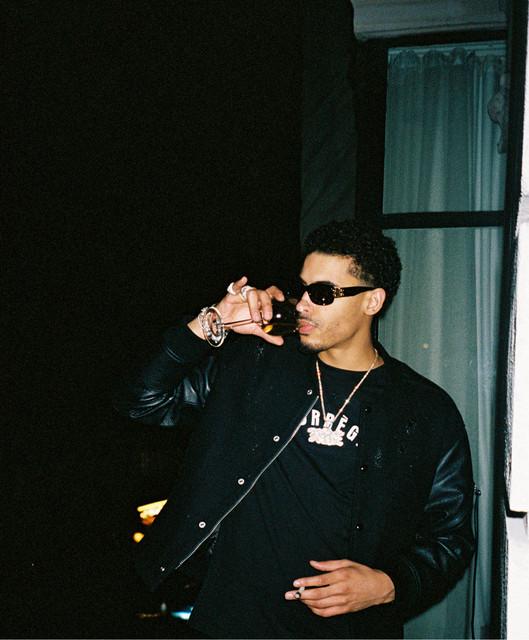
Jay Critch

Hip Hop
Trap
Drill
 Viberate Rank: 17006
 Viberate Rank: 17006
 Monthly ListenersFollowers
 Subscribers
 Followers
 Followers
 FansTop Spotify Songs
| Track | 7-Day Streams | |
|---|---|---|
1 | 233.68K | |
2 | 80.33K | |
3 | 65.23K | |
4 | 27.74K | |
5 | 16.81K |
Top YouTube Videos| Video | 7-Day Views | |
|---|---|---|
1 | 55.60K | |
2 | 14.22K | |
3 | 12.38K | |
4 | 10.17K | |
5 | 8.89K |
Monthly ListenersFeatured in Playlists| Playlist | Followers | |
|---|---|---|
1 |  State of Mind Spotify | 453.54K |
2 |  This Is King Von Spotify | 183.42K |
3 |  Jynxzi ojynxzi | 169.63K |
4 |  UK RAP BANGERS PDplaylists | 155.47K |
5 |  Clean Rap 2022 / Best Clean Rap Hits 🔥 KULTPOP! | 139.73K |
Audience| City | Monthly Listeners | |
|---|---|---|
1 | | 23.86K |
2 | | 16.10K |
3 |  | 15.32K |
4 | | 10.84K |
5 |  | 10.01K |
See full performance history, audience data, playlist activity, rankings, comparisons, and more in Viberate music analytics. Start with a free trial, then continue with a paid plan.
Jay Critch’s Spotify BioHigh-profile collaborations with Rich the Kid and PnB Rock helped bring New York rapper Jay Critch's Auto-Tuned flows and charismatic, decidedly East Coast pop trap style to a wider audience. Critch began writing rhymes when he was in grade school, and he was making music full-time by the end of his teens, sticking to singles and remixes for the first few years of his career. He eventually expanded to releasing mixtapes, offering up a string of projects like 2018's Hood Favorite and 2021's Critch Tape.
Jay Critch was born in the Clinton Hills neighborhood of Brooklyn in 1997. Just barely out of his teens, Critch began posting his gritty, trap-inflected, and sometimes lo-fi tracks online in 2016. His first major breakthrough was with a song called "Did It Again," which was originally released in 2016 but reworked in early 2017 to include cameo verses from new fan Rich the Kid. The song went viral, with its accompanying video being viewed over a million times in the first week of its… release. That year, Critch also signed to Rich the Kid's label Rich Forever, contributing to every song on the label's showcase mixtape Rich Forever 3. 2017 also saw the release of "Okay Fine," a collaborative single between Critch and PnB Rock that caught the attention of millions.
Critch's profile expanded from there with the steady release of various singles and videos, including viral tracks like "Fashion" and "Thousand Ways." In 2018, debut album Hood Favorite arrived; the 12-song offering featured the single "Ego" along with contributions from Offset, Fabolous, and French Montana. In 2019, Critch contributed to Rich Forever 4, rapping alongside peers like Famous Dex and Bino. In 2020 he returned with the solo mixtape Signed with Love, and in 2021, he released the expansive Critch Tape, with guest features from Drakeo the Ruler, Lil Tjay, and others. In 2022, Critch teamed with producer Harry Fraud for the new single "Born with It." ~ Fred Thomas
Viberate is a music analytics platform built for A&Rs, artist managers, labels, booking agents, marketers, and artists.
It helps music professionals track artist growth, analyze audience data, monitor playlist activity, compare artists, follow song performance, and identify opportunities across the music market.
Public artist pages provide a free preview of selected artist data. Paid plans provide access to deeper analytics, historical data, charts, comparisons, playlist tools, exports, alerts, reports, and additional professional features.
Yes. Public Viberate artist pages provide selected artist analytics and music data for free.
Viberate also offers a 7-day free trial of the full platform. A credit card is required to start the trial. The trial includes access to the complete product so users can test deeper artist analytics, historical views, playlist insights, comparisons, charts, exports, alerts, and reporting features before choosing a paid plan.
Viberate provides artist analytics across streaming, playlists, social media, video, radio airplay, songs, and audience markets.
Users can analyze Spotify performance, Spotify and Apple Music playlists, YouTube activity, TikTok and Instagram growth, radio spins, song performance, audience locations, demographics, rankings, and overall artist momentum.
Artist profiles also connect to music charts, similar artists, and comparison tools, helping users benchmark performance and evaluate artists in context.
Viberate updates key artist and track data daily.
For followed artists and tracks, selected data is refreshed multiple times per day. This helps teams monitor playlist changes, streaming movement, audience growth, releases, and campaign performance with more current data.
Update frequency can vary depending on the metric and data source.
Yes. Viberate lets users compare up to five artists side by side across streaming, social media, audience, and engagement metrics.
Users can compare fanbase growth, audience demographics, locations, Spotify performance, social metrics, and other artist data over selected time periods.
Artist comparison can be used for A&R scouting, benchmarking, booking decisions, campaign planning, and evaluating artists with similar audiences or market positions.