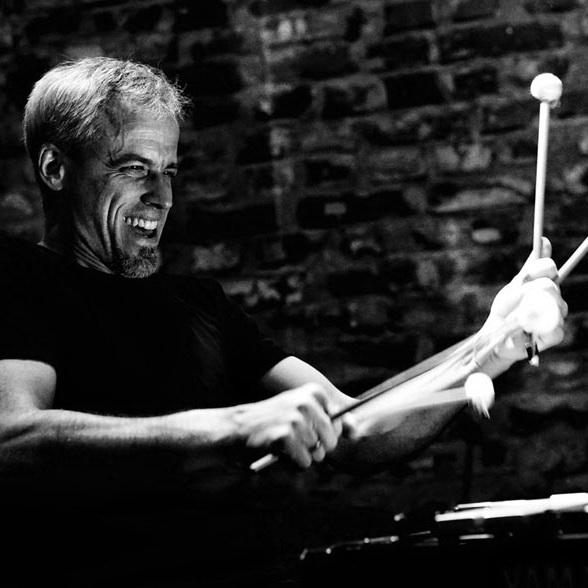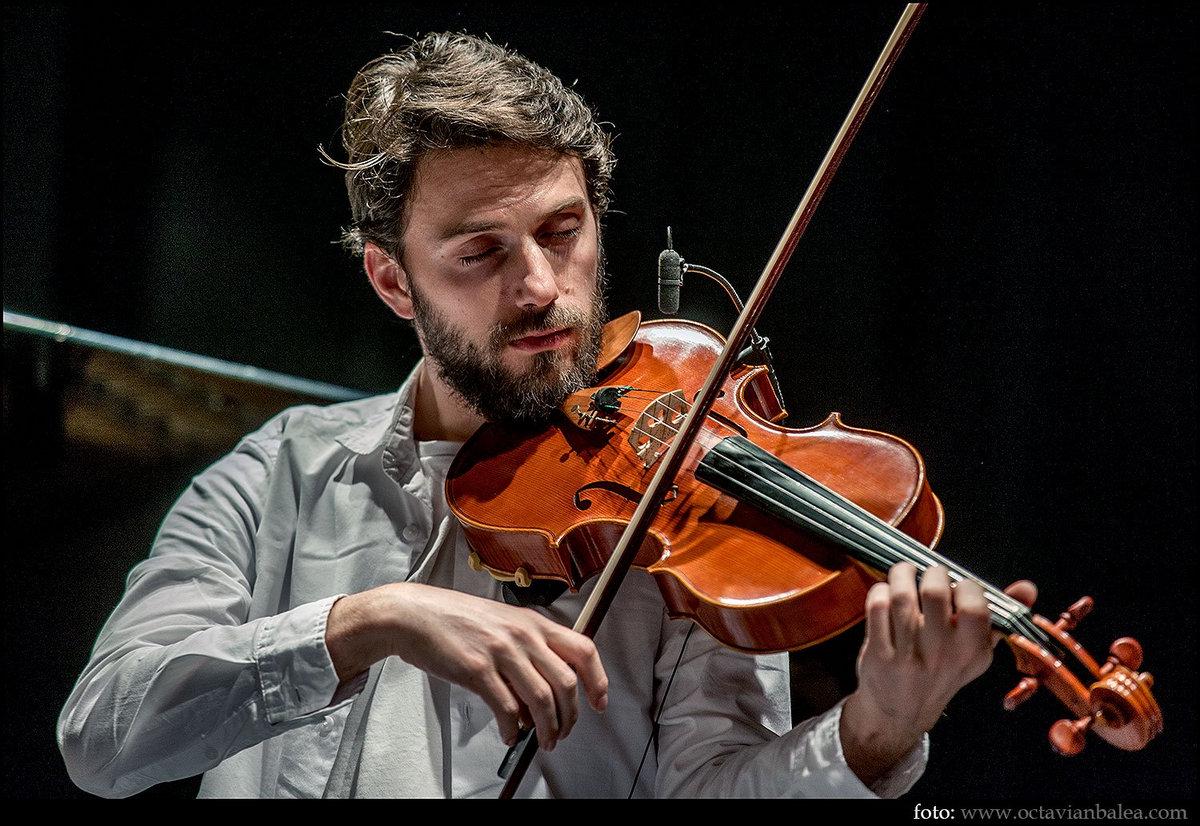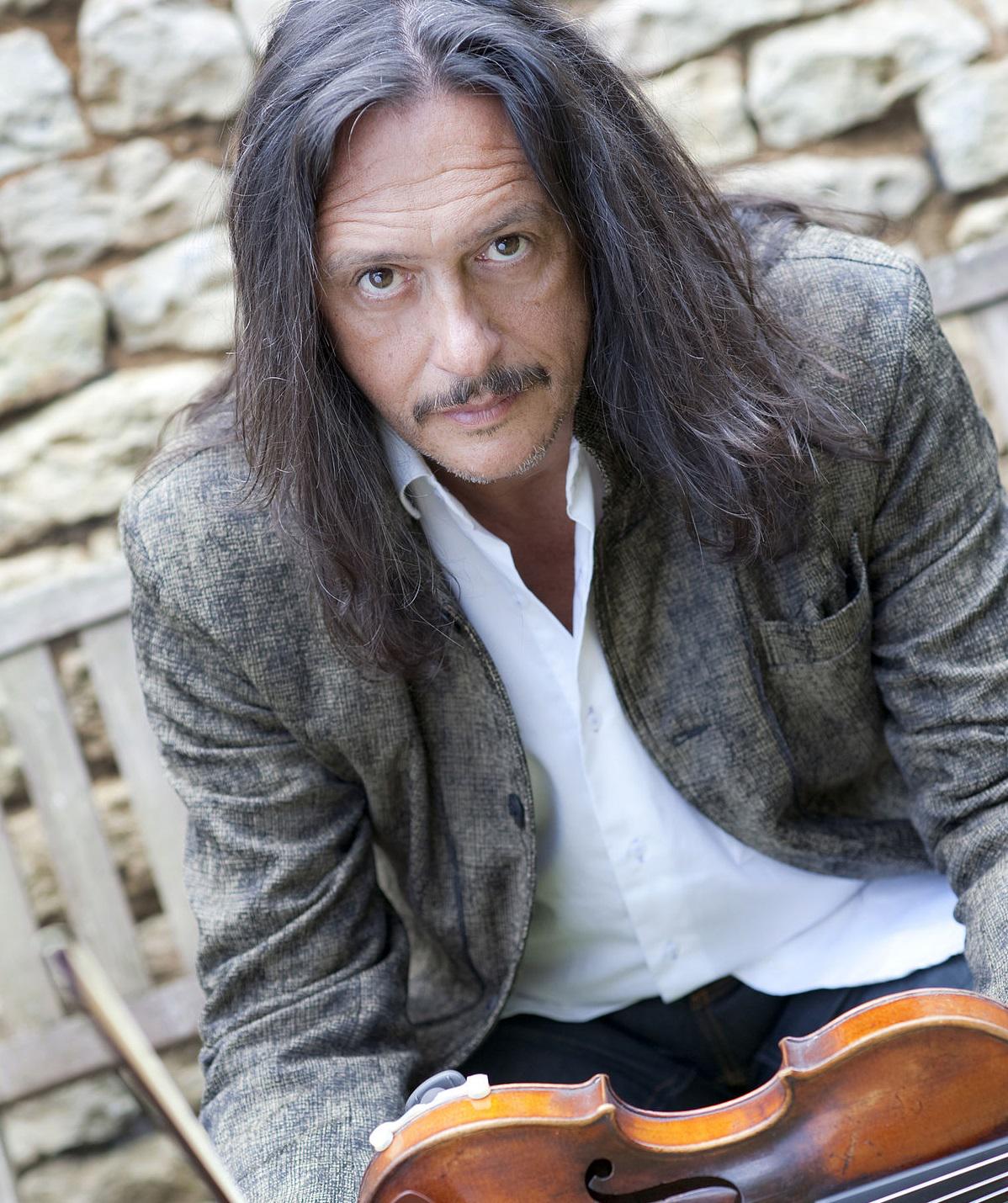
Dominique Pifarély

Classical
Orchestral
Jazz Fusion
 Viberate Rank: 671320
 Viberate Rank: 671320
 Monthly ListenersFollowers
 Subscribers
 Followers
 Followers
 FansTop Spotify Songs
| Track | 7-Day Streams | |
|---|---|---|
1 | 27 | |
2 | 22 | |
3 | 19 | |
4 | 15 | |
5 | 15 |
Top YouTube Videos| Video | 7-Day Views | |
|---|---|---|
1 | 6 | |
2 | 5 | |
3 | 2 | |
4 | 1 | |
5 | 1 |
Monthly ListenersFeatured in Playlists| Playlist | Followers | |
|---|---|---|
1 |  ECM New & Forthcoming ECM Records | 9.45K |
2 |  ECM Records: 1001 - 1999 Ulysses' Classical | 6.46K |
3 |  ECM Records: 2001 - 2603 Ulysses' Classical | 2.92K |
4 |  Silent Film Music synnöve_granat | 2.10K |
5 |  ECM MEDITATION HERTZ HUNTER | 2.10K |
Audience| City | Monthly Listeners | |
|---|---|---|
1 |  | 6 |
2 |  | 5 |
3 | | 5 |
4 |  | 4 |
5 |  | 4 |
See full performance history, audience data, playlist activity, rankings, comparisons, and more in Viberate music analytics. Start with a free trial, then continue with a paid plan.
Dominique Pifarély’s Spotify BioDominique Pifarély modernized French jazz violin, combining extraordinary technical skills with an inclusive idea of music-making. Born in Bègles in 1957, he began playing classical violin at age six and in 1977, received a First Prize Conservatory degree. As soon as he got out of the conservatory, bassist Didier Levallet invited him to join the Swing Strings System (Paris-Suite and Eurydice, Evidence, 1978) and play in a trio with drummer Gerard Marais (Eowyin, 1981). He was soon very in-demand as a straight jazz player and performed with organist Eddy Louiss (Multicolor Feeling, Nocturne), but was soon in some of the more adventurous groups in Europe, too, including Mike Westbrook's band (On Dukes' Birthday, hatART) and the Vienna Art Orchestra.
In 1985, Pifarély started to work with reedist Louis Sclavis and in 1992, they formed the Sclavis/Pifarély Acoustic Quartet, featuring guitarist Marc Ducret and bassist Bruno Chevillon, and recorded for ECM. Pifarély is also prominently… featured in Sclavis' sextet and quintet, recording with both for ECM.
In 1988, he produced his first record as a leader, Insula Dulcamara (Nocturne). As a leader, Pifarély splits his time between his quintet -- including pianist François Couturier and guitarist Marc Ducret -- and a series of duo/trio meetings with musicians including Joachim Kühn, Daniel Humair, Vincent Courtois, Michel Godard, (The Fitting Room, Enja), Stefano Battaglia (Triplicity, Splasc(h)), Rabih Abou Khalil (Yara, Enja), and Portuguese violinist Carlos Zingaro (Icis, In Situ). In his mature style, the classical violin tradition and the swing lessons of Grappelli and Reinhardt combine with a contemporary European sonic exploration; his technical mastery and quick imagination allow him to move seamlessly between these worlds. Pifarély shows a distinct preference for the acoustic interaction of small groups, where his playing can be exhilarating. ~ Francesco Martinelli, Rovi
Viberate is a music analytics platform built for A&Rs, artist managers, labels, booking agents, marketers, and artists.
It helps music professionals track artist growth, analyze audience data, monitor playlist activity, compare artists, follow song performance, and identify opportunities across the music market.
Public artist pages provide a free preview of selected artist data. Paid plans provide access to deeper analytics, historical data, charts, comparisons, playlist tools, exports, alerts, reports, and additional professional features.
Yes. Public Viberate artist pages provide selected artist analytics and music data for free.
Viberate also offers a 7-day free trial of the full platform. A credit card is required to start the trial. The trial includes access to the complete product so users can test deeper artist analytics, historical views, playlist insights, comparisons, charts, exports, alerts, and reporting features before choosing a paid plan.
Viberate provides artist analytics across streaming, playlists, social media, video, radio airplay, songs, and audience markets.
Users can analyze Spotify performance, Spotify and Apple Music playlists, YouTube activity, TikTok and Instagram growth, radio spins, song performance, audience locations, demographics, rankings, and overall artist momentum.
Artist profiles also connect to music charts, similar artists, and comparison tools, helping users benchmark performance and evaluate artists in context.
Viberate updates key artist and track data daily.
For followed artists and tracks, selected data is refreshed multiple times per day. This helps teams monitor playlist changes, streaming movement, audience growth, releases, and campaign performance with more current data.
Update frequency can vary depending on the metric and data source.
Yes. Viberate lets users compare up to five artists side by side across streaming, social media, audience, and engagement metrics.
Users can compare fanbase growth, audience demographics, locations, Spotify performance, social metrics, and other artist data over selected time periods.
Artist comparison can be used for A&R scouting, benchmarking, booking decisions, campaign planning, and evaluating artists with similar audiences or market positions.