Domine

Metal
Heavy Metal
Hard Rock
Power Metal
 Viberate Rank: 254584
 Viberate Rank: 254584
 Monthly ListenersFollowers
 Subscribers
 Followers
 Followers
 FansTop Spotify Songs
| Track | 7-Day Streams | |
|---|---|---|
1 | 482 | |
2 | 259 | |
3 | 252 | |
4 | 247 | |
5 | 203 |
Top YouTube VideosMonthly ListenersFeatured in Playlists| Playlist | Followers | |
|---|---|---|
1 | Powermetal Espen Tennholm | 7.64K |
2 |  Power Metal / Speed Metal Subterranean Steel | 6.70K |
3 |  Power Metal/Fantasy Metal Jonathon Holm | 6.24K |
4 |  Classical Metal/Neo classical Metal Roberto Vargas Arriaga | 6.02K |
5 |  Best of Powermetal Kfkele | 3.79K |
Audience| City | Monthly Listeners | |
|---|---|---|
1 |  | 108 |
2 |  | 106 |
3 | | 72 |
4 |  | 70 |
5 |  | 53 |
See full performance history, audience data, playlist activity, rankings, comparisons, and more in Viberate music analytics. Start with a free trial, then continue with a paid plan.
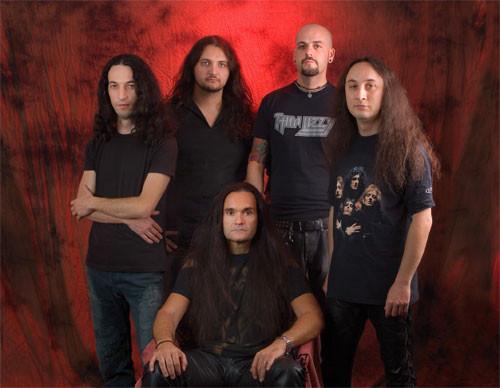
Domine’s Spotify BioOne of Italy's most important heavy metal bands, Domine formed in Florence in 1983 around brothers Enrico Paoli (guitar) and Riccardo Paoli. Equally influenced by NWOBHM and 1970s' hard rock, between 1986 and 1994 Domine released four demo-tapes, soon becoming a well respected name in the Italian metal scene. With the line-up completed by singer Morby and erstwhile Death SS drummer Mimmo Palmiotta, in 1997 Domine released their first album, Champion Eternal, a collection of songs halfway between epic and power metal and with lyrics strongly influenced by the novels of s&s writers such as Robert E. Howard and, most of all, Michael Moorcock. In September 1998 the band became a quintet with the arrival of keyboardist Riccardo Iacono. Their sophomore album, Dragonlord (Tales Of The Noble Steel), was saw the light off day one year later, and thanks to a deal with Metal Blade was released also in Japan, Brazil, Russia and the United States, leading the band to an extensive European tour… supporting act such as Anvil, Riot, Iron Maiden and Gamma Ray. In the meantime, Palmiotta had been replaced by former Necromass Stefano Bonini, and with him on drums Domine recorded Stormbringer Rule -- The Legend Of Power Supreme (2001). 2004's Emperor OF The Black Runes was a more ambitious work, with the band switching from classic metal songs to longer and more epic compositions, such as "The Aquilonia Suite", which included excerpts from the Conan the Barbarian soundtrack. A direction explored even more in depth by 2007's Ancient Spirit Rising, which included a wide palette of influence, from power metal to classical music, from Celtic acoustic sounds to 1970s' prog rock. ~ Aurelio Pasini, Rovi
Viberate is a music analytics platform built for A&Rs, artist managers, labels, booking agents, marketers, and artists.
It helps music professionals track artist growth, analyze audience data, monitor playlist activity, compare artists, follow song performance, and identify opportunities across the music market.
Public artist pages provide a free preview of selected artist data. Paid plans provide access to deeper analytics, historical data, charts, comparisons, playlist tools, exports, alerts, reports, and additional professional features.
Yes. Public Viberate artist pages provide selected artist analytics and music data for free.
Viberate also offers a 7-day free trial of the full platform. A credit card is required to start the trial. The trial includes access to the complete product so users can test deeper artist analytics, historical views, playlist insights, comparisons, charts, exports, alerts, and reporting features before choosing a paid plan.
Viberate provides artist analytics across streaming, playlists, social media, video, radio airplay, songs, and audience markets.
Users can analyze Spotify performance, Spotify and Apple Music playlists, YouTube activity, TikTok and Instagram growth, radio spins, song performance, audience locations, demographics, rankings, and overall artist momentum.
Artist profiles also connect to music charts, similar artists, and comparison tools, helping users benchmark performance and evaluate artists in context.
Viberate updates key artist and track data daily.
For followed artists and tracks, selected data is refreshed multiple times per day. This helps teams monitor playlist changes, streaming movement, audience growth, releases, and campaign performance with more current data.
Update frequency can vary depending on the metric and data source.
Yes. Viberate lets users compare up to five artists side by side across streaming, social media, audience, and engagement metrics.
Users can compare fanbase growth, audience demographics, locations, Spotify performance, social metrics, and other artist data over selected time periods.
Artist comparison can be used for A&R scouting, benchmarking, booking decisions, campaign planning, and evaluating artists with similar audiences or market positions.