Dokken

Metal
Heavy Metal
Glam Metal
 Viberate Rank: 11803
 Viberate Rank: 11803
 Monthly ListenersFollowers
 Subscribers
 Followers
 Followers
 FansTop Spotify Songs
| Track | 7-Day Streams | |
|---|---|---|
1 | 168.66K | |
2 | 160.25K | |
3 | 141.00K | |
4 | 76.01K | |
5 | 75.51K |
Top YouTube VideosMonthly ListenersFeatured in Playlists| Playlist | Followers | |
|---|---|---|
1 |  80s Hard Rock Spotify | 2.35M |
2 |  Party Hard Spotify | 578.76K |
3 |  80s Rock Drive Spotify | 541.16K |
4 | Hard Rock /Metal rodney martin | 389.57K |
5 | Top Classic Rock Hits Of All Time Tom Schumacher | 301.71K |
Audience| City | Monthly Listeners | |
|---|---|---|
1 |  | 15.93K |
2 |  | 14.28K |
3 | | 11.84K |
4 |  | 9.64K |
5 | | 9.34K |
See full performance history, audience data, playlist activity, rankings, comparisons, and more in Viberate music analytics. Start with a free trial, then continue with a paid plan.
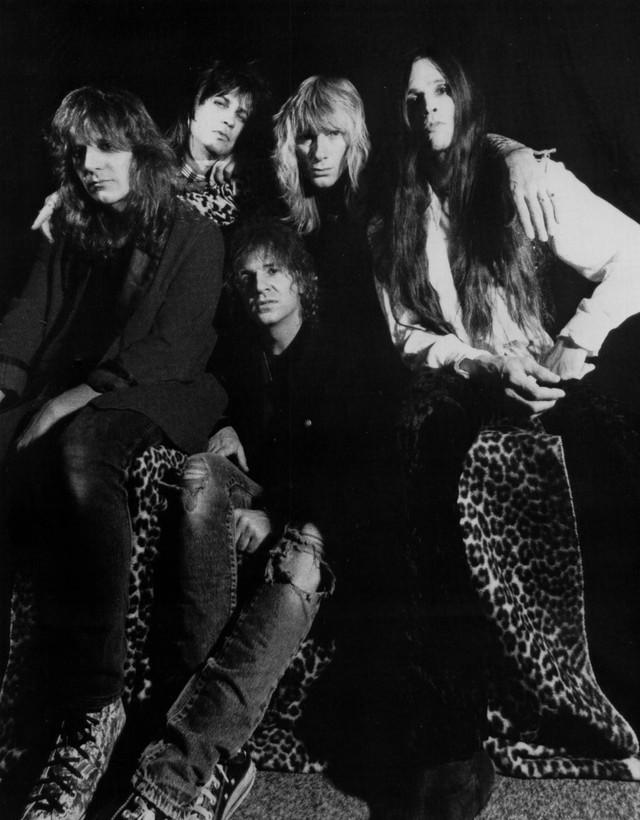
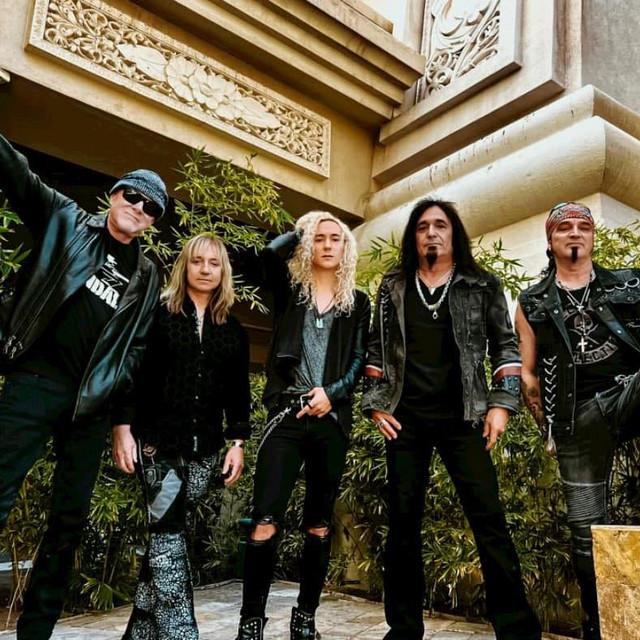
Dokken’s Spotify BioPart of the same Los Angeles pop metal scene that hatched Mötley Crüe and Ratt, Dokken rocked hard with a focus on frontman Don Dokken's melodic songwriting and expressive multi-octave vocals and George Lynch's virtuosic guitar playing. Together since the late 1970s, the band made their initial public impact when Elektra picked up their 1983 debut. Over the next few years, the label would release three more Dokken albums (Tooth and Nail, Under Lock and Key, and Back for the Attack), each more successful than the last. By the dawn of the '90s, the bandmembers were bona fide rock stars and soon imploded (as all great rock bands do) over internal conflicts. After reuniting in 1992, they embraced a darker, more complex, but no less melodic sound befitting an ever-growing creative unit. Myriad personnel shifts slowed Dokken's output during the 2010s, but the band continued to flex their creative muscles into the next decade, releasing their 13th studio album, Heaven Comes Down, in 2023.
Dokk…en's roots date back to the late '70s, when Lynch, along with drummer Mick Brown, teamed up with Don Dokken to form the Boyz. In 1981, Don moved to Germany and was signed to Carerre Records. The band, now simply known as Dokken, recorded and released its first studio album, Breaking the Chains, in 1983. While the record failed to achieve a decent chart position in the United States, the group was immensely popular in Europe.
After a tour in Germany, Dokken were signed to Elektra Records, and Jeff Pilson became their first official bassist. In 1984, the band released Tooth and Nail, which featured the hit songs "Into the Fire," "Just Got Lucky," and "Alone Again." With heavy MTV and radio airplay, Dokken found themselves topping the charts worldwide, and Tooth and Nail eventually sold over a million copies in the U.S. alone. Following a tour with the Scorpions, the group recorded Under Lock and Key in 1985, which had similar success due to the hits "In My Dreams" and "It's Not Love." In 1987, Dokken released Back for the Attack, which featured "Dream Warriors," a track they had written as the subtitle for the third Nightmare on Elm Street film. The coinciding music video, which included scenes of the band interacting with the movie's characters, was their most popular ever, and Back for the Attack became Dokken's third record to reach platinum status. Their subsequent tour resulted in a live compilation, Beast from the East, which was released shortly before the band broke up in 1988 due to Don Dokken's and Lynch's creative differences.
After the disbanding of Dokken, Don pursued a solo career with Up from the Ashes, and Lynch formed the Lynch Mob, releasing an album in 1990; both releases failed to chart. The band reunited in 1992, signing with Columbia Records and releasing 1995's Dysfunctional, which was met with harsh reviews and poor sales. Tensions once again seemed to hover around Dokken as they recorded the live acoustic release One Live Night for the CMC label. In 1997, the band released the alt-rock-leaning Shadowlife, which was met with a similar response to their past two recordings. In 1998, Lynch left a second time to reunite the Lynch Mob, and was replaced with Winger guitarist Reb Beach for 1999's Erase the Slate. This was followed in 2000 by another concert record, Live from the Sun, which captured the Beach lineup at Anaheim's Sun Theater. Beach left the group and was replaced by John Norum, and the group recorded Long Way Home for release in the spring of 2002.
In 2003, ex-Warlock guitarist Jonathan Levin and ex-Ted Nugent and Yngwie Malmsteen bassist Barry Sparks joined the band, resulting in the release of Hell to Pay the following year. Dokken returned to the studio in 2008 for the well-received Lightning Strikes Again, which proved to be their highest charting outing in years. Due to a scheduling conflict, 2012's Broken Bones was the first Dokken release to not feature drummer and co-founder Mick Brown -- session drummer Jimmy DeGrasso filled in -- but he returned for Return to the East: Live 2016, a concert album that was released in 2018 and included George Lynch and Jeff Pilson. 2023's Heaven Comes Down, the group's 13th studio effort, saw Dokken welcome a new decade with a set of songs rooted in themes of isolation, uncertainty, and resilience. ~ Barry Weber, Rovi
Viberate is a music analytics platform built for A&Rs, artist managers, labels, booking agents, marketers, and artists.
It helps music professionals track artist growth, analyze audience data, monitor playlist activity, compare artists, follow song performance, and identify opportunities across the music market.
Public artist pages provide a free preview of selected artist data. Paid plans provide access to deeper analytics, historical data, charts, comparisons, playlist tools, exports, alerts, reports, and additional professional features.
Yes. Public Viberate artist pages provide selected artist analytics and music data for free.
Viberate also offers a 7-day free trial of the full platform. A credit card is required to start the trial. The trial includes access to the complete product so users can test deeper artist analytics, historical views, playlist insights, comparisons, charts, exports, alerts, and reporting features before choosing a paid plan.
Viberate provides artist analytics across streaming, playlists, social media, video, radio airplay, songs, and audience markets.
Users can analyze Spotify performance, Spotify and Apple Music playlists, YouTube activity, TikTok and Instagram growth, radio spins, song performance, audience locations, demographics, rankings, and overall artist momentum.
Artist profiles also connect to music charts, similar artists, and comparison tools, helping users benchmark performance and evaluate artists in context.
Viberate updates key artist and track data daily.
For followed artists and tracks, selected data is refreshed multiple times per day. This helps teams monitor playlist changes, streaming movement, audience growth, releases, and campaign performance with more current data.
Update frequency can vary depending on the metric and data source.
Yes. Viberate lets users compare up to five artists side by side across streaming, social media, audience, and engagement metrics.
Users can compare fanbase growth, audience demographics, locations, Spotify performance, social metrics, and other artist data over selected time periods.
Artist comparison can be used for A&R scouting, benchmarking, booking decisions, campaign planning, and evaluating artists with similar audiences or market positions.