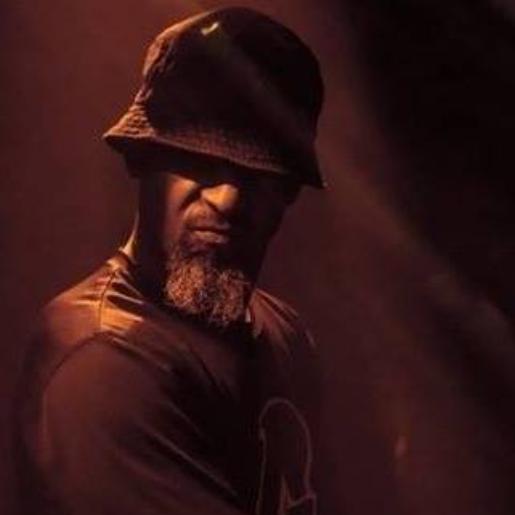
DJ Sneak

Electronic
House
Tech House
 Viberate Rank: 78815
 Viberate Rank: 78815
 Monthly ListenersFollowers
 Subscribers
 Followers
 Followers
 FansTop Spotify Songs
| Track | 7-Day Streams | |
|---|---|---|
1 | 21.50K | |
2 | 4.58K | |
3 | 2.74K | |
4 | 2.55K | |
5 | 1.82K |
Top YouTube VideosMonthly ListenersFeatured in Playlists| Playlist | Followers | |
|---|---|---|
1 |  Best House & Club Tracks | Defected Defected Records | 109.22K |
2 |  Daft Punk Essentials Daft Punk | 94.38K |
3 |  Honey Dijon's track IDs Spotify | 76.26K |
4 |  Todd Terry's track IDs Spotify | 66.33K |
5 |  New House Music 2026 | Defected Defected Records | 56.45K |
Audience| City | Monthly Listeners | |
|---|---|---|
1 |  | 2.74K |
2 | | 1.73K |
3 |  | 1.62K |
4 | | 1.49K |
5 |  | 945 |
See full performance history, audience data, playlist activity, rankings, comparisons, and more in Viberate music analytics. Start with a free trial, then continue with a paid plan.
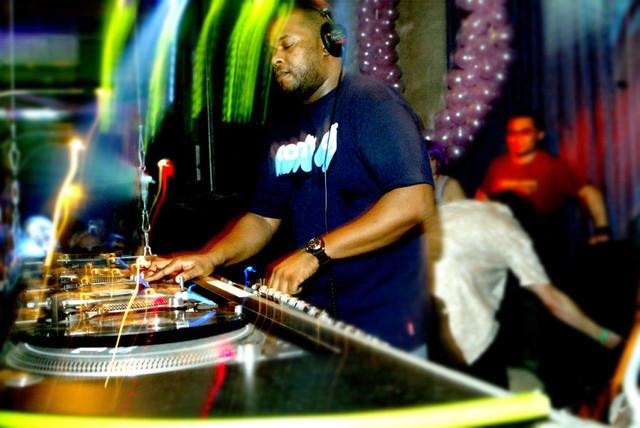
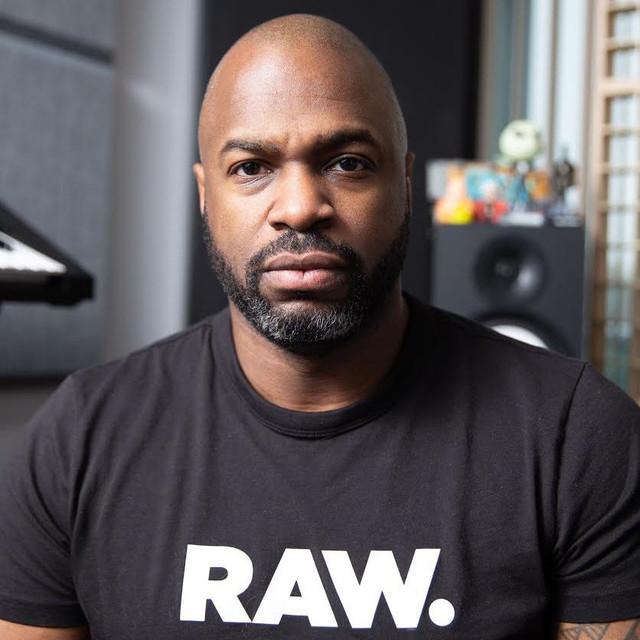
DJ Sneak’s Spotify BioA major figure in the second wave of Chicago house, DJ Sneak and his varied tracks, whether raw and jacking or smooth and layered with Latin percussion, excite dancefloors on a global scale. While the self-described "house gangster" is not originally from Chicago, and has been based out of Toronto and Los Angeles since establishing his career, he'll always be associated with the Windy City. Early Sneak productions such as "U Can't Hide from Your Bud" (1997) -- sample-based disco loops fused with raw, jacking rhythms -- drew the blueprint for the "filter house" sound taken above ground by the likes of Daft Punk, who later had Sneak write the lyrics for their worldwide hit "Digital Love" (2001). Sneak could have coasted on the impact of his '90s releases for his own Defiant label, Cajual/Relief, and Strictly Rhythm into the third millennium, but he has skillfully acknowledged his past while moving forward. The balance struck between two of his most popular commercial mixes, the… classics-oriented Back in the Box (2009) and the contemporary Fabric 62 (2012), exemplify his philosophy. His work behind the decks remains in demand, and stylistically indebted labels such as Circus Recordings, Toy Tonics, and Phonogramme have been home to his occasional 12" releases throughout the 2010s and 2020s.
Puerto Rican by birth, DJ Sneak (Carlos Sosa) moved with his family to Chicago in 1983, when he was in his early teens. He expressed himself first through graffiti art and soon devoted himself to spinning records as he soaked up the wide range of dance music -- from salsa and merengue to funk and disco -- he heard on Chicago radio stations. DJs such as fellow Puerto Rican Ralphi Rosario and Farley Jackmaster Funk were key inspirations to Sneak, who likewise branched into production, debuting in 1993 with the self-released Sneaky Traxx, consisting of two punishing dancefloor workouts. His discography quickly expanded with additional releases on his Defiant label, others on Cajmere's Cajual and Relief imprints -- including his and Cajmere's first commercial DJ mix, Cajual Relief: The Future Sound of Chicago -- and more yet for New York's Strictly Rhythm. Some of his output, including the Hardsteppin' Disko Selection EP, was made in tandem with Armand Van Helden. Sneak's 1997 Defiant release "U Can't Hide from Your Bud," licensed to Classic in the U.K. (as "You Can't Hide from Your Bud"), became one of Sneak's signature tracks with its simultaneously physical and heady mutation of Teddy Pendergrass' "You Can't Hide from Yourself," itself an Chicago club touchstone.
Sneak closed up Defiant, but in the early 2000s diversified with Magnetic Recordings, Oomph, and Leg as additional outlets for himself and like-minded producers. Although he collaborated with Daft Punk for the 2001 single "Digital Love," Sneak remained underground and issued a plethora of 12" and full-length projects, primarily through Magnetic, during the 2000s. He finished that decade with the backward-glancing Back in the Box, a two-disc mix incorporating tracks from himself, hometown heroes like Cajmere and Paul Johnson, and French comrades such as Bob Sinclair and I:Cube (remixed by Daft Punk). Magnetic kept rolling well into the 2010s, during which Sneak also mixed a fresh set of thoroughly buoyant tracks for Fabric 62. He adapted to the times with a raft of digital-only releases on Magnetic, as well as the DJ Sneaks Classics series, which involved revisions and remixes of previously released material rather than straightforward reissues. All the while, and extending into the 2020s, Sneak was impossible to pin down with 12" singles on numerous labels, DJ sets on multiple continents, multiple podcasts, and live streams. In 2024 alone, Munich's Toy Tonics, Leeds' Hard Times, and Paris' Phonogramme released DJ Sneak EPs. ~ Andy Kellman, Rovi
Viberate is a music analytics platform built for A&Rs, artist managers, labels, booking agents, marketers, and artists.
It helps music professionals track artist growth, analyze audience data, monitor playlist activity, compare artists, follow song performance, and identify opportunities across the music market.
Public artist pages provide a free preview of selected artist data. Paid plans provide access to deeper analytics, historical data, charts, comparisons, playlist tools, exports, alerts, reports, and additional professional features.
Yes. Public Viberate artist pages provide selected artist analytics and music data for free.
Viberate also offers a 7-day free trial of the full platform. A credit card is required to start the trial. The trial includes access to the complete product so users can test deeper artist analytics, historical views, playlist insights, comparisons, charts, exports, alerts, and reporting features before choosing a paid plan.
Viberate provides artist analytics across streaming, playlists, social media, video, radio airplay, songs, and audience markets.
Users can analyze Spotify performance, Spotify and Apple Music playlists, YouTube activity, TikTok and Instagram growth, radio spins, song performance, audience locations, demographics, rankings, and overall artist momentum.
Artist profiles also connect to music charts, similar artists, and comparison tools, helping users benchmark performance and evaluate artists in context.
Viberate updates key artist and track data daily.
For followed artists and tracks, selected data is refreshed multiple times per day. This helps teams monitor playlist changes, streaming movement, audience growth, releases, and campaign performance with more current data.
Update frequency can vary depending on the metric and data source.
Yes. Viberate lets users compare up to five artists side by side across streaming, social media, audience, and engagement metrics.
Users can compare fanbase growth, audience demographics, locations, Spotify performance, social metrics, and other artist data over selected time periods.
Artist comparison can be used for A&R scouting, benchmarking, booking decisions, campaign planning, and evaluating artists with similar audiences or market positions.