Derrick Carter


Electronic
House
 Viberate Rank: 101831
 Viberate Rank: 101831
 Monthly ListenersFollowers
 Subscribers
 Followers
 Followers
 FansTop Spotify Songs
| Track | 7-Day Streams | |
|---|---|---|
1 | 1.43K | |
2 | 1.38K | |
3 | 963 | |
4 | 558 | |
5 | 443 |
Top YouTube VideosMonthly ListenersFeatured in Playlists| Playlist | Followers | |
|---|---|---|
1 |  Best House & Club Tracks | Defected Defected Records | 109.22K |
2 |  House Origins Spotify | 102.50K |
3 |  SKINS SOUNDTRACK season 1, 2, 3, 4, 5, 6 and 7 (all seasons) Christel Aurora Hilmo | 65.42K |
4 | wicks Brennan McDowell | 43.73K |
5 | Old School Chicago House Music Sin Estrada | 39.54K |
Audience| City | Monthly Listeners | |
|---|---|---|
1 |  | 514 |
2 | | 503 |
3 |  | 215 |
4 | | 208 |
5 | | 188 |
See full performance history, audience data, playlist activity, rankings, comparisons, and more in Viberate music analytics. Start with a free trial, then continue with a paid plan.
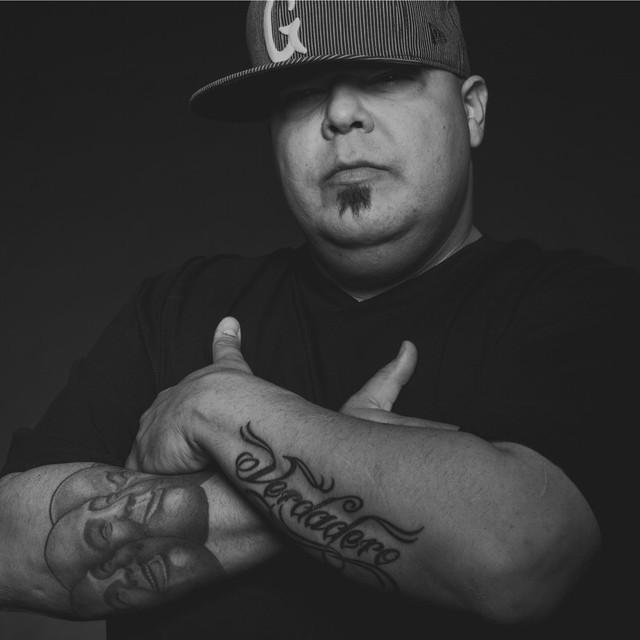
Derrick Carter’s Spotify BioOne of the pinnacles of Chicago house music's '90s wave, Derrick Carter began DJing at the age of nine, spinning disco records at family reunions. His debut single "Love Me Right" appeared in 1987, just after he graduated from college. Another single ("Symbols and Instruments" as Mood) appeared in 1989, but the Chicago house scene faded soon after, leaving Carter and other artists with few to play for except themselves. Thanks in part to Cajmere's and Felix Da Housecat's respective labels (Relief, Radikal Fear), Chicago house made a comeback during the mid-'90s and began to offer impressive newcomers in addition to the old guard. Carter, recording for the Organico label, returned with several singles, and an album as Sound Patrol. In 1995, he began working with a live band as the Sound Patrol Orchestra. Though he hasn't released a production full-length, several mix albums have appeared, including Cosmic Disco on MixMag and Pagan Offering on Pagan. Carter has also founded two labels… (Blue Cucaracha and Classic) and remixed tracks from Chicago's own post-rock heroes Tortoise. ~ John Bush, Rovi
Viberate is a music analytics platform built for A&Rs, artist managers, labels, booking agents, marketers, and artists.
It helps music professionals track artist growth, analyze audience data, monitor playlist activity, compare artists, follow song performance, and identify opportunities across the music market.
Public artist pages provide a free preview of selected artist data. Paid plans provide access to deeper analytics, historical data, charts, comparisons, playlist tools, exports, alerts, reports, and additional professional features.
Yes. Public Viberate artist pages provide selected artist analytics and music data for free.
Viberate also offers a 7-day free trial of the full platform. A credit card is required to start the trial. The trial includes access to the complete product so users can test deeper artist analytics, historical views, playlist insights, comparisons, charts, exports, alerts, and reporting features before choosing a paid plan.
Viberate provides artist analytics across streaming, playlists, social media, video, radio airplay, songs, and audience markets.
Users can analyze Spotify performance, Spotify and Apple Music playlists, YouTube activity, TikTok and Instagram growth, radio spins, song performance, audience locations, demographics, rankings, and overall artist momentum.
Artist profiles also connect to music charts, similar artists, and comparison tools, helping users benchmark performance and evaluate artists in context.
Viberate updates key artist and track data daily.
For followed artists and tracks, selected data is refreshed multiple times per day. This helps teams monitor playlist changes, streaming movement, audience growth, releases, and campaign performance with more current data.
Update frequency can vary depending on the metric and data source.
Yes. Viberate lets users compare up to five artists side by side across streaming, social media, audience, and engagement metrics.
Users can compare fanbase growth, audience demographics, locations, Spotify performance, social metrics, and other artist data over selected time periods.
Artist comparison can be used for A&R scouting, benchmarking, booking decisions, campaign planning, and evaluating artists with similar audiences or market positions.