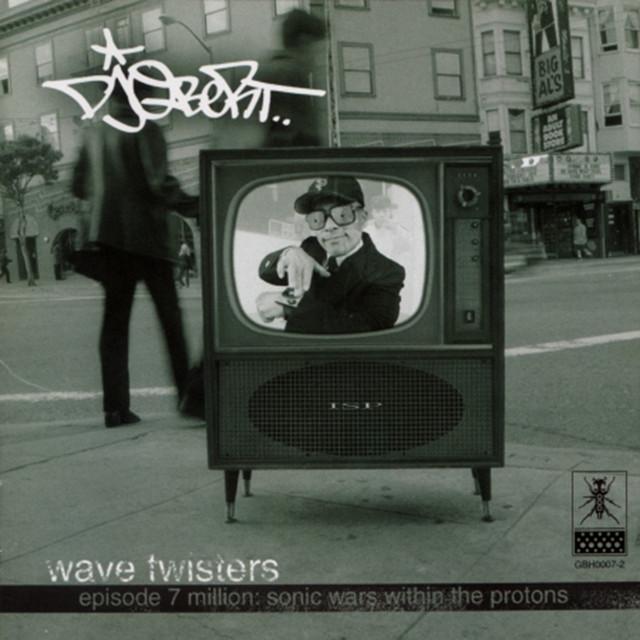
DJ QBert

Hip Hop
Contemporary Hip Hop
Alternative Hip Hop
 Viberate Rank: 68727
 Viberate Rank: 68727
 Monthly ListenersFollowers
 Subscribers
 Followers
 Followers
 FansTop Spotify Songs
| Track | 7-Day Streams | |
|---|---|---|
1 | 5.76K | |
2 | 2.24K | |
3 | 1.10K | |
4 | 975 | |
5 | 852 |
Top YouTube VideosMonthly ListenersFeatured in Playlists| Playlist | Followers | |
|---|---|---|
1 |  The Sound of Everything The Sounds of Spotify | 53.81K |
2 |  Tony Hawk's Underground (2003) Avis F | 28.16K |
3 | Bass Heavy Old School 💯 fmartinez1904 | 15.82K |
4 |  songs to eat glass to Machine Girl | 8.89K |
5 |  OLD SCHOOL HITS musicsfavorites | 7.17K |
Audience| City | Monthly Listeners | |
|---|---|---|
1 | | 314 |
2 | | 207 |
3 | | 199 |
4 | | 197 |
5 |  | 189 |
See full performance history, audience data, playlist activity, rankings, comparisons, and more in Viberate music analytics. Start with a free trial, then continue with a paid plan.
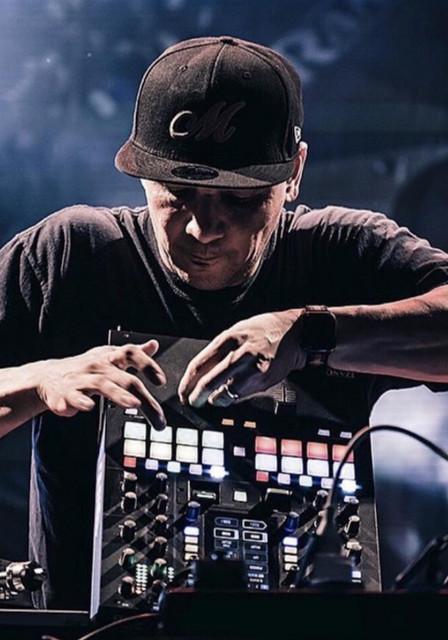
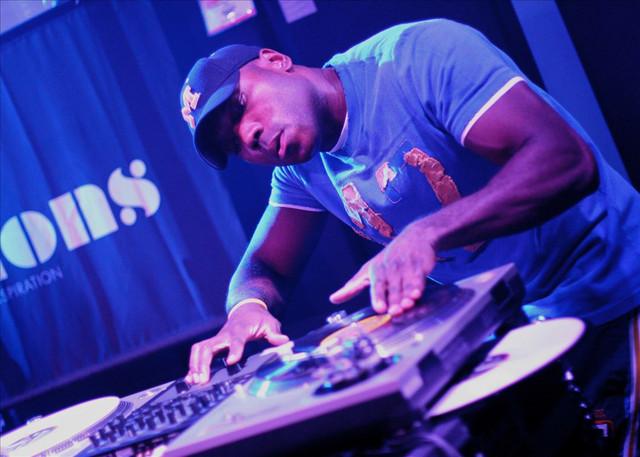
DJ QBert’s Spotify BioDJ Q-Bert is widely acknowledged as one of the most innovative turntablists in the world. The San Francisco-born DJ has pioneered several highly complex scratching techniques (such as the infamous crab scratch), with a heavy emphasis on rapid, percussive movements as well as conceptual usage of spoken word samples. In addition to proper albums and mixtapes, he's released countless DJ battle tool records and instructional videos, as well as launching an online DJ school. Born Richard Quitevis, he first emerged in the underground turntablist scene during the early '90s, and became a founding member of a collective of Bay Area DJs who would eventually find fame as the Invisibl Skratch Piklz. Along with other Bay Area groups like the X-Men and the World Famous Beat Junkies, the Piklz were determined to reestablish the DJ's place in rap music. Looking backward into rap's past and forward into its future, Q-Bert and the Skratch Piklz (who also included Mix Master Mike, DJ Disk, D-Styles, and… Yogafrog) championed a move away from the empty showmanship DJ'ing had become toward the essential elements of technique and musicianship. The group operated as a band, with each member handling elements such as drums, basslines, and solos. Q-Bert in particular embarked on a mission outside the rap community, seeking to dispel misconceptions about the DJ's art through teaching and preaching the gospel of the turntable.
Q-Bert's DJ skills were recognized as early as 1985. By 1990, he had begun to DJ with Mix Master Mike and DJ Apollo. The trio played a gig in New York City, and were asked to join the legendary Rock Steady Crew. They accepted, and billed themselves as the Rock Steady DJs. Q-Bert won the American branch of the Disco Mixing Club (DMC) World Championship in 1991, and the Rock Steady DJs (later referred to as the DreamTeam, after Apollo left in 1993) won the World Championship the following three years. They were asked to abstain from further competitions, since they were discouraging other DJs from entering, but Q-Bert later became a judge for the competition, and both he and Mix Master Mike were entered into the DMC Hall of Fame.
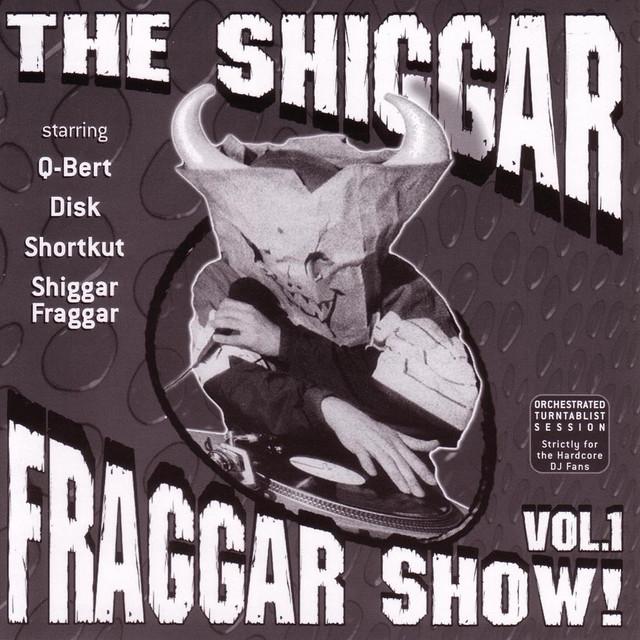
Q-Bert and the other Rock Steady DJs started Dirt Style Records in 1992 and began releasing battle tools and breakbeat records, starting with Battle Breaks, credited to Psychedelic Skratch Bastards. Quitevis began releasing battle tool records as Darth Fader in 1993 (often with DJ Disk, under the alias Scarecrow Willy). In 1994, Q-Bert released his mixtape Demolition Pumpkin Squeeze Musik, a 60-minute nonstop scratch and breakbeat extravaganza that increased his profile (the tape made The Wire magazine's essential Turntablism Primer list in January 1999). Wider recognition came with the birth of the Invisibl Skratch Piklz in 1995. The crew toured the globe throughout the latter part of the 1990s, and released numerous mix CDs and videos (often as part of the Shiggar Fraggar Show! series), in addition to the 1996 Asphodel-issued EP Invisibl Skratch Piklz Vs Da Klaz Uv Deth. Various members took their craft outside of the live arena and into middle schools, high schools, and universities (and onto the Turntable TV videos), where they gave seminars and tutorials on DJ history and technique.
In 1996, Q-Bert lent his deft scratch-work to Dr. Octagon's classic Dr. Octagonecologyst album. Following two volumes of the Needle Thrashers battle tool series, Q-Bert's conventional solo debut came in 1998 with the epic Wave Twisters Episode 7 Million: Sonic Wars Within the Protons, possibly the first turntablist concept album. Wave Twisters received a great deal of critical acclaim, and was later turned into an animated feature film. The Piklz announced their breakup in 2000, with a final performance at Skratchcon 2000, where Q-Bert lectured. All of the individual members kept busy, with Q-Bert continuing to release DJ tools and videos through Dirt Style and Thud Rumble (sometimes under the puppet alter ego Skratchy Seal), as well as designing the QFO, an all-in-one mixer/turntable, released by Vestax in 2004. Q-Bert's later DJ records embraced digital technology, as he partnered with Serato to release records with controller tones. In 2009, he launched Skratch University, an online DJ school and community.
Q-Bert released two albums, the Kickstarter-funded Extraterrestria and GalaXXXian (a full vocal album featuring Kool Keith, Mr. Lif, El-P, and others), in 2014. Both albums were issued as a very limited box set that included nine die-cut puzzle pieces containing exclusive tracks, mixes, and breaks. The puzzle pieces were also available separately, and the albums were given stand-alone digital releases. The Skratch Piklz reunited and released the full-length The 13th Floor through Alpha Pup and Thud Rumble in 2016. In 2017, Q-Bert compiled hundreds of scratch samples on the self-explanatory double LP Dirt Style Twenty-Fifth Anniversary 1992-2017. ~ Nathan Bush & Paul Simpson, Rovi
Viberate is a music analytics platform built for A&Rs, artist managers, labels, booking agents, marketers, and artists.
It helps music professionals track artist growth, analyze audience data, monitor playlist activity, compare artists, follow song performance, and identify opportunities across the music market.
Public artist pages provide a free preview of selected artist data. Paid plans provide access to deeper analytics, historical data, charts, comparisons, playlist tools, exports, alerts, reports, and additional professional features.
Yes. Public Viberate artist pages provide selected artist analytics and music data for free.
Viberate also offers a 7-day free trial of the full platform. A credit card is required to start the trial. The trial includes access to the complete product so users can test deeper artist analytics, historical views, playlist insights, comparisons, charts, exports, alerts, and reporting features before choosing a paid plan.
Viberate provides artist analytics across streaming, playlists, social media, video, radio airplay, songs, and audience markets.
Users can analyze Spotify performance, Spotify and Apple Music playlists, YouTube activity, TikTok and Instagram growth, radio spins, song performance, audience locations, demographics, rankings, and overall artist momentum.
Artist profiles also connect to music charts, similar artists, and comparison tools, helping users benchmark performance and evaluate artists in context.
Viberate updates key artist and track data daily.
For followed artists and tracks, selected data is refreshed multiple times per day. This helps teams monitor playlist changes, streaming movement, audience growth, releases, and campaign performance with more current data.
Update frequency can vary depending on the metric and data source.
Yes. Viberate lets users compare up to five artists side by side across streaming, social media, audience, and engagement metrics.
Users can compare fanbase growth, audience demographics, locations, Spotify performance, social metrics, and other artist data over selected time periods.
Artist comparison can be used for A&R scouting, benchmarking, booking decisions, campaign planning, and evaluating artists with similar audiences or market positions.