DJ Magic Mike

Electronic
Other Electronic Music
Alternative Hip Hop
 Viberate Rank: 87838
 Viberate Rank: 87838
 Monthly ListenersFollowers
 Subscribers
 Followers
 Followers
 FansTop Spotify Songs
| Track | 7-Day Streams | |
|---|---|---|
1 | 14.00K | |
2 | 12.29K | |
3 | 12.29K | |
4 | 7.24K | |
5 | 4.34K |
Top YouTube VideosMonthly ListenersFeatured in Playlists| Playlist | Followers | |
|---|---|---|
1 |  Canciones Nacas Dianademateo | 356.90K |
2 |  B4SS B.071w | 154.63K |
3 |  An ACTUAL freaky playlist. John Price’s Wife | 39.31K |
4 | Old school Funk🔥 Cesar Garcia | 32.74K |
5 | Melbourne Bounce David Englund | 31.21K |
Audience| City | Monthly Listeners | |
|---|---|---|
1 | | 1.86K |
2 | | 1.57K |
3 | | 1.56K |
4 | | 1.32K |
5 | | 1.23K |
See full performance history, audience data, playlist activity, rankings, comparisons, and more in Viberate music analytics. Start with a free trial, then continue with a paid plan.
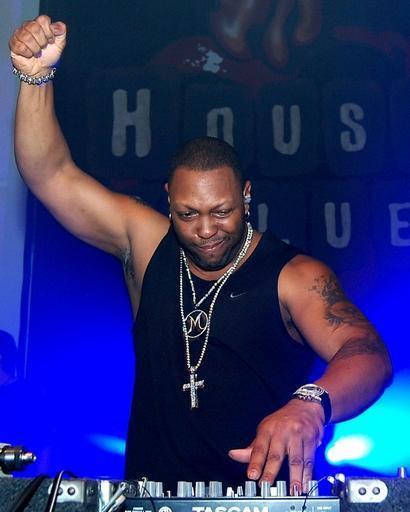
DJ Magic Mike’s Spotify BioDJ Magic Mike, the breakthrough bass producer after 2 Live Crew, was the music's most crucial recording artist. An underground label impresario on the order of Master P, Mike's productions were much rougher than the slick Miami bass sound and pursued a gritty old-school vibe -- more akin to Ultramagnetic MC's than Luther Campbell -- long after most hip-hop producers had gone pop in the late '90s.
The former Michael Hampton began his mixing career before he was even a teenager, spinning at a roller rink and selling mixtapes. By the age of 14, he was hosting a drive-time radio show in his native Orlando. He began concentrating on club work after finishing high school, and debuted on wax with 1987's "Boot the Booty" for Vision Records.
One year later, local promoter Tom Reich offered DJ Magic Mike a chance at a half-share in his own Cheetah Records if Mike's releases sold well. His first singles under the agreement, "Magic Mike Cutz the Record" and "Drop the Bass," both became big regional… hits, sparking the release of his debut album, DJ Magic Mike and the Royal Posse in 1989. He took more of a guiding hand over his own instrumental productions for the follow-up, 1990's Bass Is the Name of the Game, and the album went gold despite its low vocal content. Mike's breakthrough LP, Ain't No Doubt About It, appeared in 1992, followed by the release of two LPs on the same day in late March; both Bass: The Final Frontier and This Is How It Should Be Done charted, and the former went gold. Although his recording schedule continued apace during the mid-'90s (and the number of his full-length releases climbed into the double digits), fewer of his LPs charted. Mike picked up the commercial slack with advertising appearances for Coca-Cola and Pioneer, and has also worked with Sir Mix-a-Lot, 2 Live Crew, MC Shy D, and Poison Clan. The new millennium saw Mike issue Magic's Kingdom and continue his output of mix albums. ~ John Bush, Rovi
Viberate is a music analytics platform built for A&Rs, artist managers, labels, booking agents, marketers, and artists.
It helps music professionals track artist growth, analyze audience data, monitor playlist activity, compare artists, follow song performance, and identify opportunities across the music market.
Public artist pages provide a free preview of selected artist data. Paid plans provide access to deeper analytics, historical data, charts, comparisons, playlist tools, exports, alerts, reports, and additional professional features.
Yes. Public Viberate artist pages provide selected artist analytics and music data for free.
Viberate also offers a 7-day free trial of the full platform. A credit card is required to start the trial. The trial includes access to the complete product so users can test deeper artist analytics, historical views, playlist insights, comparisons, charts, exports, alerts, and reporting features before choosing a paid plan.
Viberate provides artist analytics across streaming, playlists, social media, video, radio airplay, songs, and audience markets.
Users can analyze Spotify performance, Spotify and Apple Music playlists, YouTube activity, TikTok and Instagram growth, radio spins, song performance, audience locations, demographics, rankings, and overall artist momentum.
Artist profiles also connect to music charts, similar artists, and comparison tools, helping users benchmark performance and evaluate artists in context.
Viberate updates key artist and track data daily.
For followed artists and tracks, selected data is refreshed multiple times per day. This helps teams monitor playlist changes, streaming movement, audience growth, releases, and campaign performance with more current data.
Update frequency can vary depending on the metric and data source.
Yes. Viberate lets users compare up to five artists side by side across streaming, social media, audience, and engagement metrics.
Users can compare fanbase growth, audience demographics, locations, Spotify performance, social metrics, and other artist data over selected time periods.
Artist comparison can be used for A&R scouting, benchmarking, booking decisions, campaign planning, and evaluating artists with similar audiences or market positions.