95 South

Hip Hop
Contemporary Hip Hop
Dance
 Viberate Rank: 34629
 Viberate Rank: 34629
 Monthly ListenersFollowers
 Subscribers
 Followers
 Followers
 FansTop Spotify Songs
| Track | 7-Day Streams | |
|---|---|---|
1 | 2.19M | |
2 | 4.10K | |
3 | 3.06K | |
4 | 2.60K | |
5 | 1.40K |
Top YouTube VideosMonthly ListenersFeatured in Playlists| Playlist | Followers | |
|---|---|---|
1 |  Beast Mode Spotify | 11.06M |
2 |  Dance Party Spotify | 9.24M |
3 |  mint Spotify | 5.41M |
4 |  Dance Hits Spotify | 4.38M |
5 |  big on the internet Spotify | 4.05M |
Audience| City | Monthly Listeners | |
|---|---|---|
1 |  | 91.11K |
2 | | 80.61K |
3 | | 71.39K |
4 |  | 65.32K |
5 | | 48.69K |
See full performance history, audience data, playlist activity, rankings, comparisons, and more in Viberate music analytics. Start with a free trial, then continue with a paid plan.
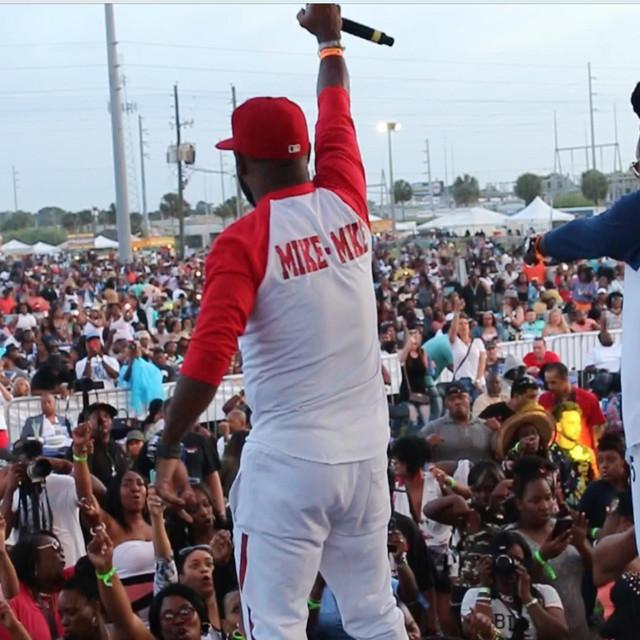
95 South’s Spotify BioBefore producers C.C. Lemonhead and Jayski McGowan went on to produce "Tootsee Roll" for the 69 Boyz and "C'Mon N' Ride It (The Train)" for the Quad City DJ's, the duo had a similarly big hit with 95 South's "Whoot, There It Is" in early 1993. The song was the first bass track to cross over to mainstream success (curiously followed, and one-upped, by Tag Team's "Whoop! (There It Is)" a month later). The full-length LP Quad City Knock reached Billboard's Top 20 R&B around the same time the single peaked at number seven R&B in April/May 1993. However, following the success of "Whoot, There It Is," Lemonhead and McGowan parted ways with 95 South to find more success producing, first, the 69 Boyz ("Tootsee Roll") in 1994 and then Quad City DJ's ("C'Mon N' Ride It [The Train]") in 1996. The remaining members of 95 South didn't do so well in subsequent years. Albums like One Mo' Gen were overlooked and only the occasional single ("Rodeo") garnered attention. For the most part, 95 South has… been and will continue to be remembered by "Whoot, There It Is," and also as the launching pad for Lemonhead's and McGowan's careers. ~ Jason Birchmeier, Rovi
Viberate is a music analytics platform built for A&Rs, artist managers, labels, booking agents, marketers, and artists.
It helps music professionals track artist growth, analyze audience data, monitor playlist activity, compare artists, follow song performance, and identify opportunities across the music market.
Public artist pages provide a free preview of selected artist data. Paid plans provide access to deeper analytics, historical data, charts, comparisons, playlist tools, exports, alerts, reports, and additional professional features.
Yes. Public Viberate artist pages provide selected artist analytics and music data for free.
Viberate also offers a 7-day free trial of the full platform. A credit card is required to start the trial. The trial includes access to the complete product so users can test deeper artist analytics, historical views, playlist insights, comparisons, charts, exports, alerts, and reporting features before choosing a paid plan.
Viberate provides artist analytics across streaming, playlists, social media, video, radio airplay, songs, and audience markets.
Users can analyze Spotify performance, Spotify and Apple Music playlists, YouTube activity, TikTok and Instagram growth, radio spins, song performance, audience locations, demographics, rankings, and overall artist momentum.
Artist profiles also connect to music charts, similar artists, and comparison tools, helping users benchmark performance and evaluate artists in context.
Viberate updates key artist and track data daily.
For followed artists and tracks, selected data is refreshed multiple times per day. This helps teams monitor playlist changes, streaming movement, audience growth, releases, and campaign performance with more current data.
Update frequency can vary depending on the metric and data source.
Yes. Viberate lets users compare up to five artists side by side across streaming, social media, audience, and engagement metrics.
Users can compare fanbase growth, audience demographics, locations, Spotify performance, social metrics, and other artist data over selected time periods.
Artist comparison can be used for A&R scouting, benchmarking, booking decisions, campaign planning, and evaluating artists with similar audiences or market positions.