DJ Hollywood

Electronic
Dance
Trap
 Viberate Rank: 251608
 Viberate Rank: 251608
 Monthly ListenersFollowers
 Subscribers
 Followers
 Followers
 FansTop Spotify Songs
| Track | 7-Day Streams | |
|---|---|---|
1 | 111 | |
2 | 31 | |
3 | 30 | |
4 | 21 | |
5 | 20 |
Top YouTube VideosMonthly ListenersFeatured in Playlists| Playlist | Followers | |
|---|---|---|
1 |  This Is Doug E. Fresh Spotify | 1.47K |
2 |  DJ KOOL HERC CEO.JUSHUN | 1.21K |
3 |  50 Rappers, 50 Stories: The Playlist nytimes | 1.04K |
Audience| City | Monthly Listeners | |
|---|---|---|
1 | | 39 |
2 | | 22 |
3 | | 12 |
4 |  | 8 |
5 | | 6 |
See full performance history, audience data, playlist activity, rankings, comparisons, and more in Viberate music analytics. Start with a free trial, then continue with a paid plan.
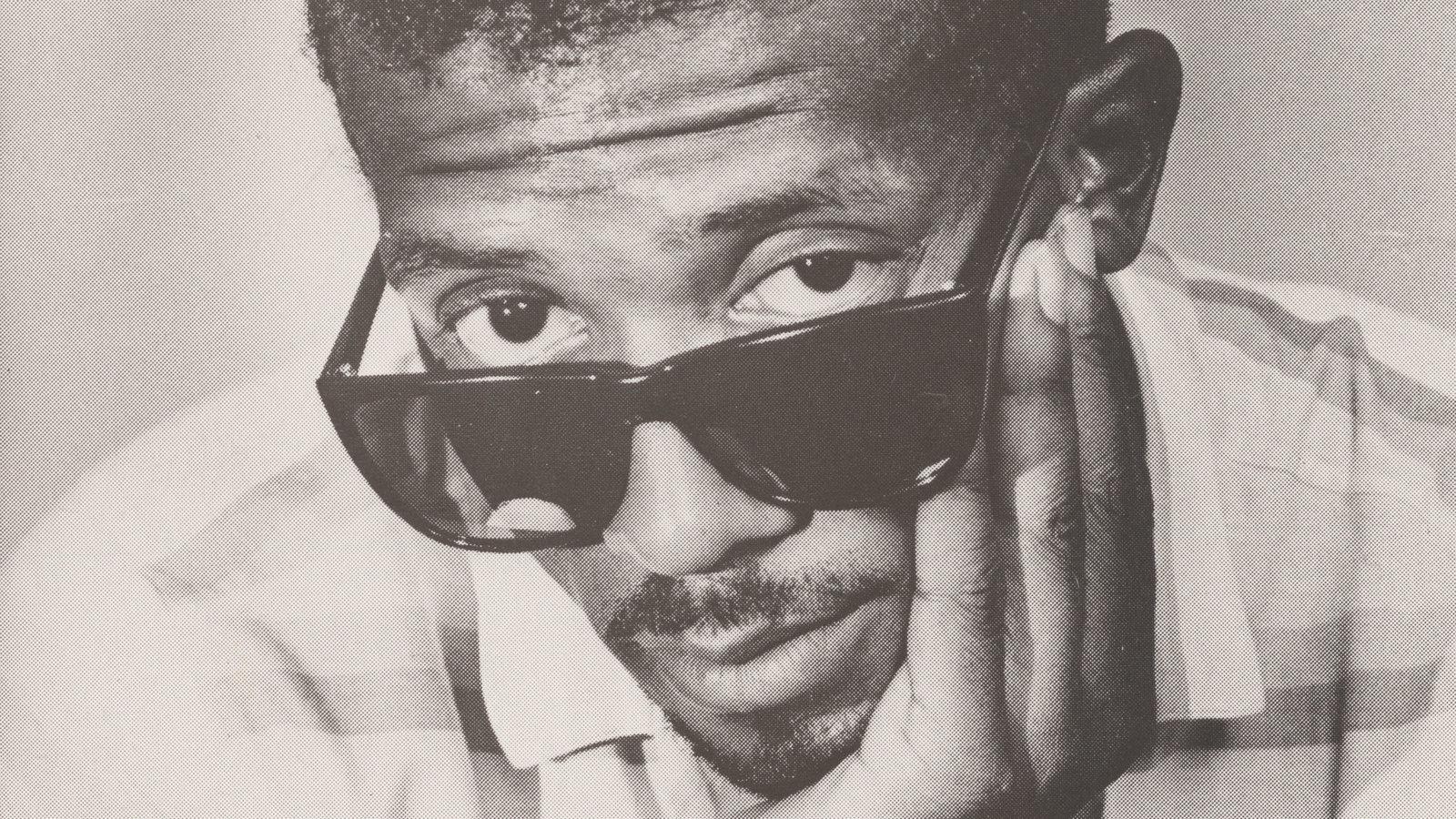
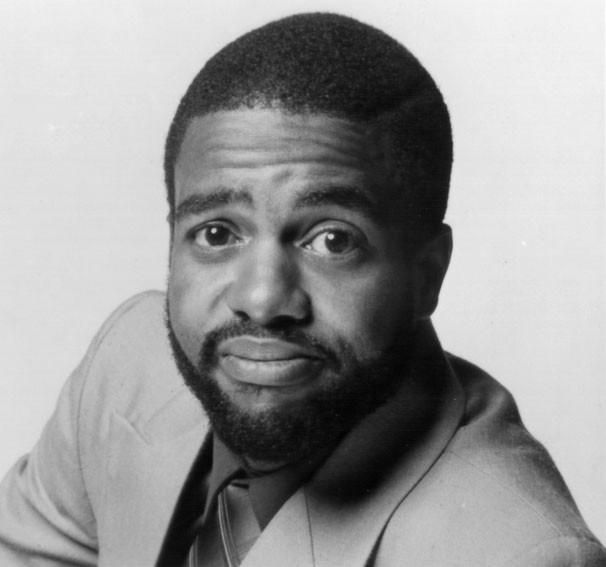
DJ Hollywood’s Spotify BioOne of the earliest MCs on the scene, DJ Hollywood originated the practice of delivering extensive rhymes over recorded music, the essence of hip-hop. Yet because of his location (Manhattan), the types of records that he spun (disco), and the crowd he played to (downtown hustler types), DJ Hollywood remains an underrated figure in the development of hip-hop (a term that he originally coined).
Forming his own singing group at the age of 14, by 1971 Hollywood had moved on to DJing in Harlem clubs such as the Charles Gallery. As the disco movement began growing momentum, DJ Hollywood implemented record mixing, a technique he learned from a club owner, to isolate the funkiest or most danceable parts of the records. This gained him a wide following and, by the mid-'70s, Hollywood's performances at the Apollo Theatre influenced many younger artists such as Kurtis Blow and the Fatback Band. Reigning as one of the top DJs until the mid-'80s, DJ Hollywood faded out of the rap world for a time… while fighting drug addiction. He returned in the early '90s to work with Lovebug Starski, performing shows in the New York and New Jersey areas. ~ Steve Kurutz, Rovi
Viberate is a music analytics platform built for A&Rs, artist managers, labels, booking agents, marketers, and artists.
It helps music professionals track artist growth, analyze audience data, monitor playlist activity, compare artists, follow song performance, and identify opportunities across the music market.
Public artist pages provide a free preview of selected artist data. Paid plans provide access to deeper analytics, historical data, charts, comparisons, playlist tools, exports, alerts, reports, and additional professional features.
Yes. Public Viberate artist pages provide selected artist analytics and music data for free.
Viberate also offers a 7-day free trial of the full platform. A credit card is required to start the trial. The trial includes access to the complete product so users can test deeper artist analytics, historical views, playlist insights, comparisons, charts, exports, alerts, and reporting features before choosing a paid plan.
Viberate provides artist analytics across streaming, playlists, social media, video, radio airplay, songs, and audience markets.
Users can analyze Spotify performance, Spotify and Apple Music playlists, YouTube activity, TikTok and Instagram growth, radio spins, song performance, audience locations, demographics, rankings, and overall artist momentum.
Artist profiles also connect to music charts, similar artists, and comparison tools, helping users benchmark performance and evaluate artists in context.
Viberate updates key artist and track data daily.
For followed artists and tracks, selected data is refreshed multiple times per day. This helps teams monitor playlist changes, streaming movement, audience growth, releases, and campaign performance with more current data.
Update frequency can vary depending on the metric and data source.
Yes. Viberate lets users compare up to five artists side by side across streaming, social media, audience, and engagement metrics.
Users can compare fanbase growth, audience demographics, locations, Spotify performance, social metrics, and other artist data over selected time periods.
Artist comparison can be used for A&R scouting, benchmarking, booking decisions, campaign planning, and evaluating artists with similar audiences or market positions.