Dinah Washington

R&B
Contemporary R&B
Vocal jazz
Classic Blues
 Viberate Rank: 14852
 Viberate Rank: 14852
 Monthly ListenersFollowers
 Subscribers
 Followers
 Followers
 FansTop Spotify Songs
| Track | 7-Day Streams | |
|---|---|---|
1 | 337.09K | |
2 | 186.13K | |
3 | 173.56K | |
4 | 92.35K | |
5 | 84.46K |
Top YouTube VideosMonthly ListenersFeatured in Playlists| Playlist | Followers | |
|---|---|---|
1 |  Jazz Classics Spotify | 5.08M |
2 |  All Out 50s Spotify | 1.89M |
3 |  An Elegant Affair Spotify | 1.22M |
4 |  Women of Jazz Spotify | 865.70K |
5 |  Soft 60s Spotify | 663.53K |
Audience| City | Monthly Listeners | |
|---|---|---|
1 |  | 30.62K |
2 | | 21.46K |
3 | | 18.09K |
4 |  | 16.03K |
5 |  | 15.84K |
See full performance history, audience data, playlist activity, rankings, comparisons, and more in Viberate music analytics. Start with a free trial, then continue with a paid plan.
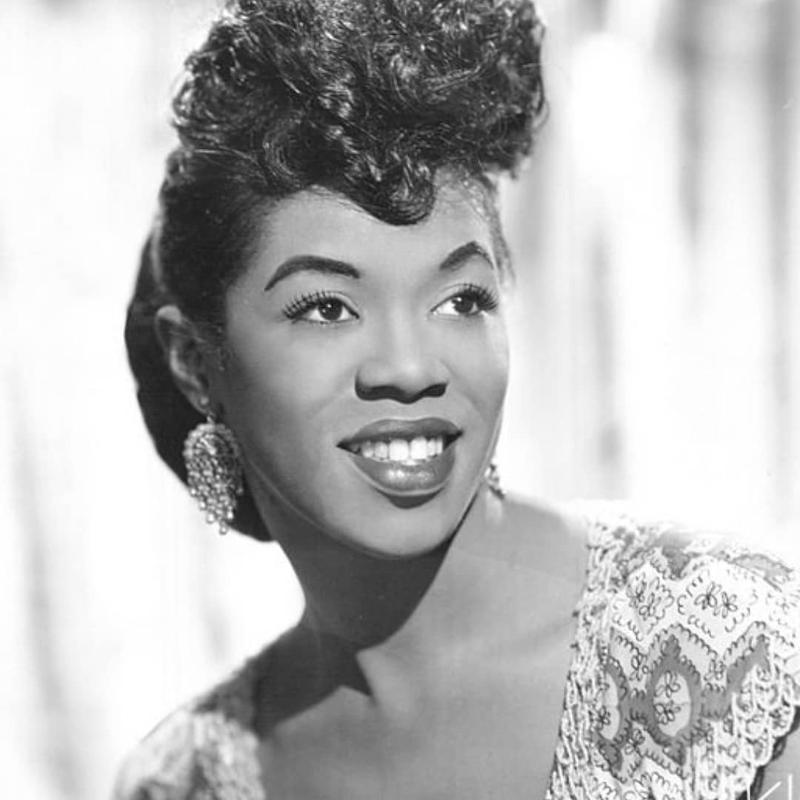
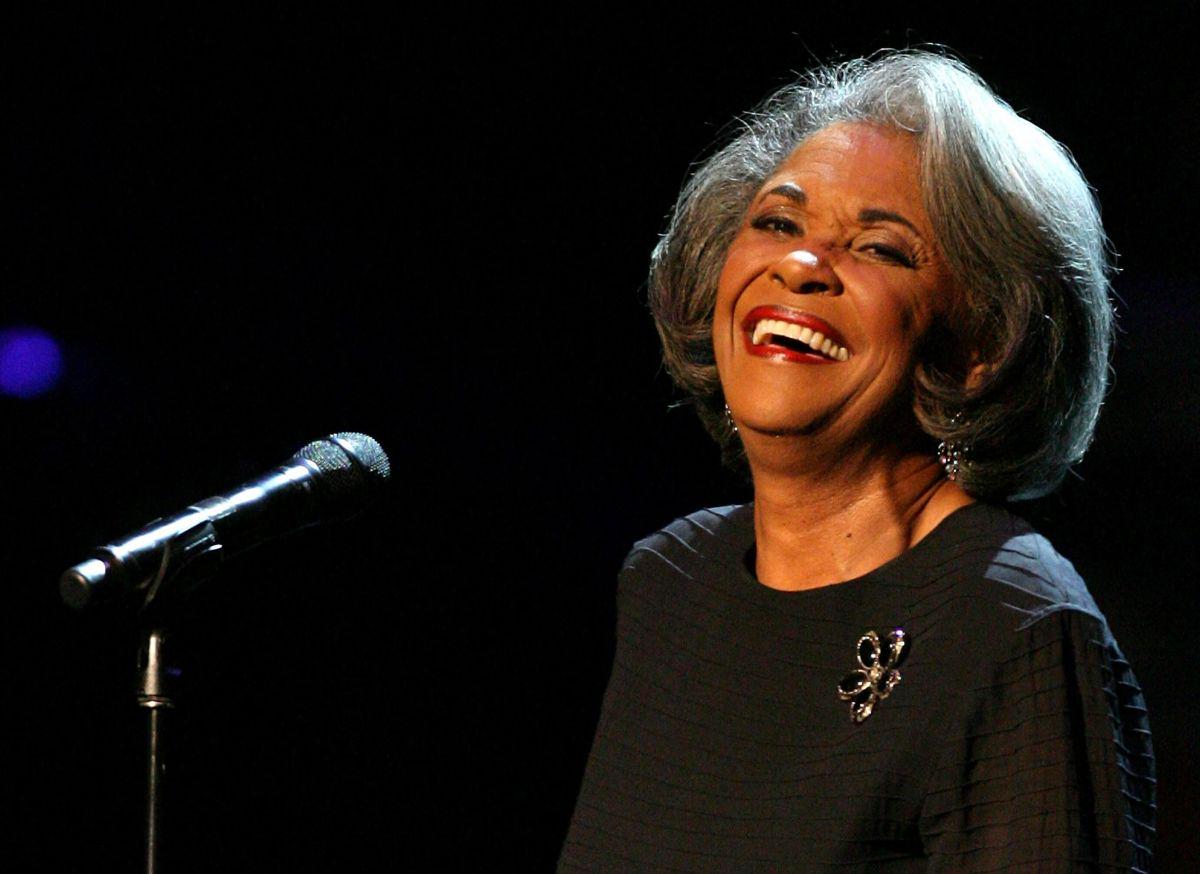
Dinah Washington’s Spotify BioDinah Washington was one of the most beloved and versatile singers of the mid-20th century, at home in all kinds of music, be it R&B, blues, jazz, gospel, and pop. Hers was a gritty voice, marked by absolute clarity of diction and clipped, bluesy phrasing. Washington's personal life was turbulent and her interpretations showed it, for she displayed a tough, totally unsentimental, yet still gripping hold on the universal subject of lost love. From the 1940s onwards, she scored numerous Top Ten singles on the R&B charts before crossing over to the pop charts with 1959's What a Diff'rence a Day Makes!, which also won her Grammy for Best R&B Performance. Although she died young in 1963, she has had a huge influence on R&B and jazz singers who have followed in her wake, notably Nancy Wilson, Esther Phillips, and Diane Schuur. Her music as been collected on several large-volume series, including The Complete Dinah Washington on Mercury and The Complete Roulette Dinah Washington Sessions.
Born… Ruth Lee Jones, she moved to Chicago at age three and was raised in a world of gospel, playing the piano and directing her church choir. At 15, after winning an amateur contest at the Regal Theater, she began performing in nightclubs as a pianist and singer, opening at the Garrick Stage Bar in 1942. Talent manager Joe Glaser heard her there and recommended her to Lionel Hampton, who asked her to join his band. Hampton says that it was he who gave Ruth Jones the name Dinah Washington, although other sources claim it was Glaser or the manager of the Garrick Stage Bar. In any case, she stayed with Hampton from 1943 to 1946 and made her recording debut for Keynote at the end of 1943 in a blues session organized by Leonard Feather with a sextet drawn from the Hampton band. With Feather's "Evil Gal Blues" as her first hit, the records took off, and by the time she left Hampton to go solo, Washington was already an R&B headliner.
Signing with the young Mercury label, Washington produced an enviable string of Top Ten hits on the R&B charts from 1948 to 1955, singing blues, standards, novelties, pop covers, and even Hank Williams' "Cold, Cold Heart." She also recorded many straight jazz sessions with big bands and small combos, most memorably with Clifford Brown on Dinah Jams but also with Cannonball Adderley, Clark Terry, Ben Webster, Wynton Kelly, and the young Joe Zawinul (who was her regular accompanist for a couple of years).
In 1959, Washington made a sudden breakthrough into the mainstream pop market with What a Diff'rence a Day Makes! The album featured a revival of composer María Grever's 1930s composition (also previously a hit for the Dorsey Brothers) set to a Latin American bolero rhythm. It was a Top Ten Hot 100 hit and won the Grammy for Best R&B Performance. For the rest of her career, she would largely concentrate on singing ballads backed by lush orchestrations for Mercury and Roulette, a formula similar to that of another R&B-based singer at that time, Ray Charles. Included among these are gems like her 1961 rendition of Billie Holiday's "Don't Explain," which has a beautiful, bluesy Ernie Wilkins chart conducted by Quincy Jones. Tragically, Washington died of an accidental overdose of diet and sleeping pills mixed with alcohol at the early age of 39, still in peak voice, still singing the blues in an L.A. club only two weeks before the end. ~ Richard S. Ginell, Rovi
Viberate is a music analytics platform built for A&Rs, artist managers, labels, booking agents, marketers, and artists.
It helps music professionals track artist growth, analyze audience data, monitor playlist activity, compare artists, follow song performance, and identify opportunities across the music market.
Public artist pages provide a free preview of selected artist data. Paid plans provide access to deeper analytics, historical data, charts, comparisons, playlist tools, exports, alerts, reports, and additional professional features.
Yes. Public Viberate artist pages provide selected artist analytics and music data for free.
Viberate also offers a 7-day free trial of the full platform. A credit card is required to start the trial. The trial includes access to the complete product so users can test deeper artist analytics, historical views, playlist insights, comparisons, charts, exports, alerts, and reporting features before choosing a paid plan.
Viberate provides artist analytics across streaming, playlists, social media, video, radio airplay, songs, and audience markets.
Users can analyze Spotify performance, Spotify and Apple Music playlists, YouTube activity, TikTok and Instagram growth, radio spins, song performance, audience locations, demographics, rankings, and overall artist momentum.
Artist profiles also connect to music charts, similar artists, and comparison tools, helping users benchmark performance and evaluate artists in context.
Viberate updates key artist and track data daily.
For followed artists and tracks, selected data is refreshed multiple times per day. This helps teams monitor playlist changes, streaming movement, audience growth, releases, and campaign performance with more current data.
Update frequency can vary depending on the metric and data source.
Yes. Viberate lets users compare up to five artists side by side across streaming, social media, audience, and engagement metrics.
Users can compare fanbase growth, audience demographics, locations, Spotify performance, social metrics, and other artist data over selected time periods.
Artist comparison can be used for A&R scouting, benchmarking, booking decisions, campaign planning, and evaluating artists with similar audiences or market positions.